Living with pain can feel like a never-ending battle where relief seems just out of reach. It’s like having your own personal rain cloud that follows you around, even on the brightest days. But a beacon of hope shines in the healthcare landscape, where practices like Austin Preferred Integrative Medicine offer more than just a quick fix.
This unique form of care doesn’t just focus on the symptoms; it aims to address the underlying causes of pain through a combination of physical therapy and chiropractic care. It’s an approach that’s bringing sunshine back into the lives of those dealing with discomfort.
When considering the vast array of pains and ailments the human body can incur, it’s comforting to know that multidisciplinary approaches like the ones offered at integrative medicine clinics are readily available.
Individuals suffering from chronic conditions like fibromyalgia, arthritis and sciatica have found solace in the gentle, manipulative techniques of chiropractic care coupled with the rehabilitative strategies of physical therapy.
This unique blend of services promotes healing and wellness, creating the perfect recipe for managing pain and improving one’s quality of life.
Navigating the Maze of Back Pain With Expert Guidance
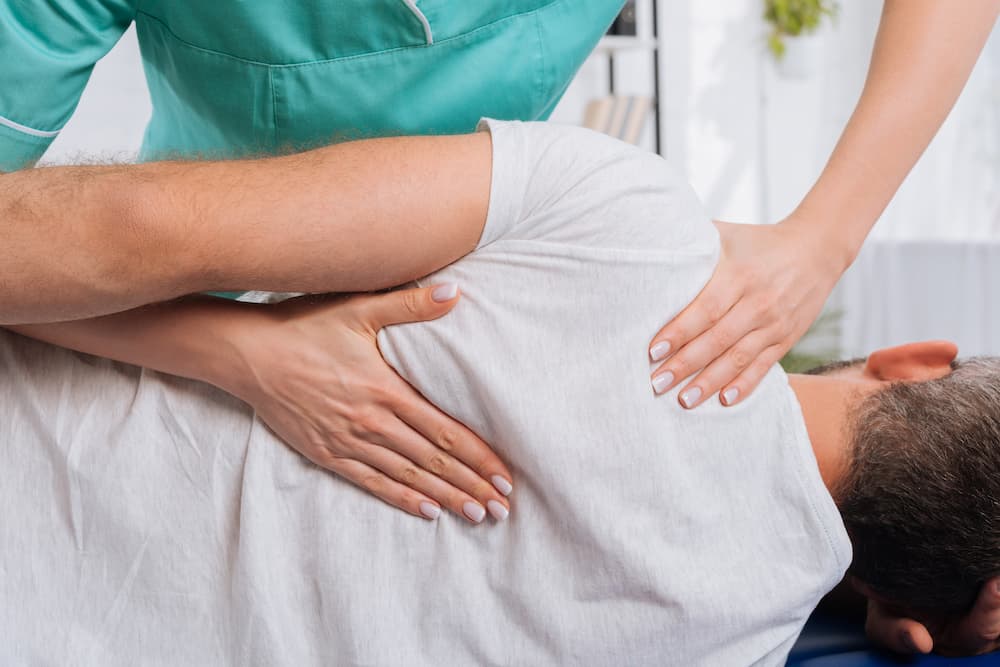
Back pain often feels like a puzzle you just can’t solve. Chiropractors start by laying out the pieces, figuring out where your spine might be misaligned and contributing to pain. They use adjustments to help realign your spine, much like you would strategically move pieces to solve that puzzle.
But the relief doesn’t stop there; physical therapists join the game with exercises and techniques that further rehabilitate and strengthen your back. Together, these two professions craft a tailored strategy designed to not only reduce pain but to enhance mobility and prevent future issues.
Dodging the Discomfort of Sports Injuries
If you live an active life or enjoy your weekend sports, you might be familiar with the frustration that comes with an injury—a real thorn in any athlete’s side.
Integrative care approaches include specialized physical therapy regimes that focus on specific injuries, helping you heal efficiently without throwing future performance off track. Chiropractic care may sound like it’s all about the back, but it’s also about keeping all your joints in play.
By combining these therapies, you have a dynamic duo that’s ready to help you sprint back into action, with less risk of re-injury.
Workday Woes: Addressing Repetitive Strain and Posture Problems
Those of us tethered to our desks know the slow but steady creep of desk-job damage: the aching back, the stiff neck, the sore wrists. Chiropractic services offer much-needed release through adjustments and advice on ergonomic workstations.
But it’s the alliance with physical therapy, with its targeted exercises and stretches, that builds a fortress against future pain. Think of it as education for your body, teaching you how to move, sit and work in ways that keep pain at bay while you conquer your to-do list.
The Silent Scream of Headaches and Migraines
Headaches and migraines can feel like they’re holding your head hostage. Chiropractors help by addressing potential spinal issues or tension that could be triggering your head pain, while physical therapists provide exercises and strategies to reduce muscle strain and stress.
Integrating these approaches can offer a glimmer of hope for those who feel at the mercy of their migraines. And by learning about the lifestyle and dietary choices that complement clinical care, patients can gain even more control over these debilitating conditions.
Seeking out an integrated approach to pain relief can seem daunting at first, but the success stories are out there. From the back-pained desk jockey who’s standing taller to the weekend warrior sprinting past old limitations, there’s proof that combining chiropractic care with physical therapy isn’t just about getting through the day—it’s about changing the course of your life for the better, one pain-free step at a time.
Did you find this helpful? Check out our other helpful articles on our website.
Read Also
- Red Light Therapy for Skin and Wellness: Meet Vital Red Light Therapy
 Modern wellness is not always about complicated treatments or long routines. Many people are now looking for simple, convenient ways to support their skin, recovery, and overall wellness at home. One technology getting more attention is red light therapy. Red light therapy uses specific wavelengths of red and near-infrared light to support the body’s natural… Read more: Red Light Therapy for Skin and Wellness: Meet Vital Red Light Therapy
 - Managing Shock Loss After a Hair Transplant: The Financial and Clinical Imperative of Post-Op CareIn the rapidly evolving landscape of private healthcare, executive leadership within cosmetic and restorative surgery clinics faces a dual challenge: maintaining strict clinical standards while maximizing patient lifetime value (LTV) and brand advocacy. As the global medical tourism and elective procedure markets expand, clinical outcome quality alone is no longer the sole differentiator for premium… Read more: Managing Shock Loss After a Hair Transplant: The Financial and Clinical Imperative of Post-Op Care
- Transform Your Skin Health: Premier Gluta IV Therapy in DubaiThis comprehensive guide explores how modern intravenous wellness treatments can help revitalize your complexion, boost immune function, and support overall cellular health. By incorporating modern IV therapy Dubai services into a routine health regimen, individuals can achieve direct nutrient absorption for optimal results. Selecting a customized gluta IV drip Dubai treatment provides targeted antioxidant defense,… Read more: Transform Your Skin Health: Premier Gluta IV Therapy in Dubai
- The Evolution of Dental Prosthetics: Innovation in Oral HealthDental replacements have improved a lot over time. Smiling, chewing, and speaking depend on having healthy teeth. When teeth break or go missing, today’s options can restore both function and confidence. Modern techniques make these replacements feel and look completely natural. Ancient Roots Of Tooth Replacement People have tried to replace lost teeth for thousands… Read more: The Evolution of Dental Prosthetics: Innovation in Oral Health
- How to Support a Loved One with Mental Health IssuesWatching someone you care about struggle with their mental health is difficult: you might feel helpless, confused, or even frustrated. You cannot cure a mental health condition with a simple conversation or a hug, no matter how much you wish you could. Your support can be the difference between them feeling isolated and feeling understood.… Read more: How to Support a Loved One with Mental Health Issues
- Understanding Endometriosis: Causes, Symptoms, and Treatment OptionsMillions of people around the world deal with pelvic health problems. Many spend years looking for answers about ongoing pain or fertility issues. Understanding your health can help you speak up and get better care. Managing pelvic pain starts with knowing the causes and treatment options. Learning about symptoms also helps you decide when to… Read more: Understanding Endometriosis: Causes, Symptoms, and Treatment Options
- Choosing the Right Treadmill for Your Body and Fitness GoalsFinding a quality home treadmill means looking closely at your height, weight, and training routine. Standard gym equipment rarely offers a one-size-fits-all experience for every unique body shape. Shopping with specific physical dimensions in mind helps you pick a machine that supports long-term health. Selecting the right unit requires balancing horsepower, frame dimensions, and deck… Read more: Choosing the Right Treadmill for Your Body and Fitness Goals
- Understanding Spinal Health: The Key to a Pain-Free LifeThe human spine is the main support structure of your body. It keeps you standing tall, protects your delicate spinal cord, and lets you bend, twist, and walk easily every single day. Even though your back performs hard physical work daily, spinal health is often ignored until pain starts. Back stiffness, neck soreness, and sudden… Read more: Understanding Spinal Health: The Key to a Pain-Free Life