


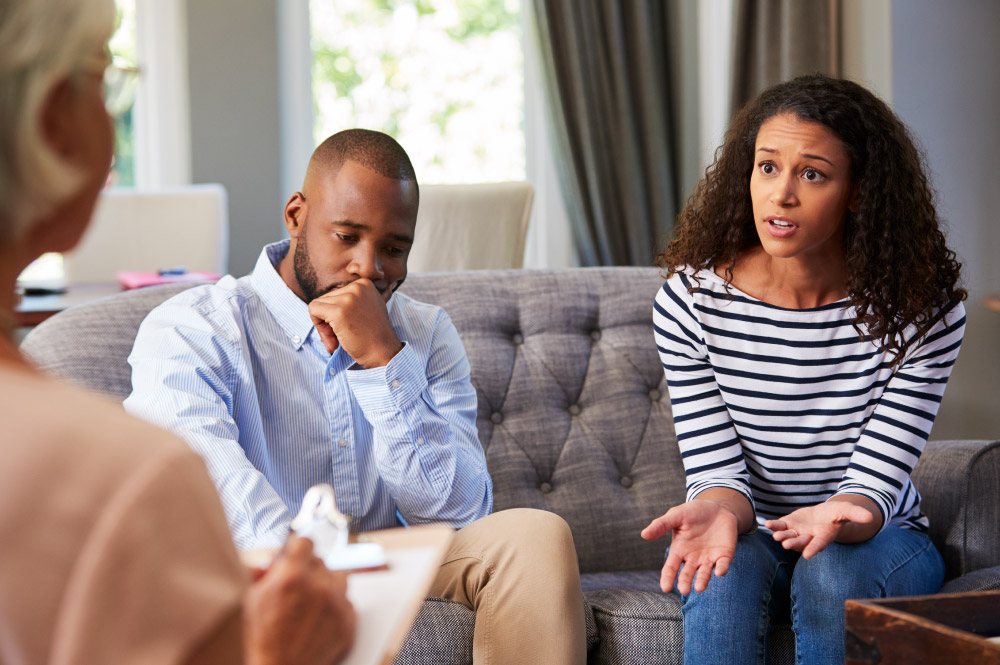
Relationships can be challenging, and even the strongest couples may experience difficulties at some point. If you’re feeling stuck, disconnected, or frustrated in your relationship, couples counseling can help. However, attending therapy is only the first step towards building a stronger and more fulfilling relationship.
To make the most out of your couples counseling sessions, it’s essential to have a plan and approach them with the right mindset.
This article will provide you with six top tips to help you navigate the path to a stronger relationship with the help of couples counseling. Whether you’re just starting therapy or have been attending sessions for a while, these tips can help you get the most out of your counseling experience and create a healthier relationship.
1. Look for a Counselor Who is Conveniently Approachable to Both
When it comes to couples counseling, finding a therapist who is a good fit for both partners is crucial. It’s essential to look for a conveniently approachable counselor for you and your partner. It means that the therapist should be someone with who both partners feel comfortable talking and who can create a safe, non-judgmental space for both of you.
It’s also important to consider logistical factors when choosing a couple’s therapist. Look for a therapist who is conveniently located and has flexible scheduling options that work for both you and your partner. For example, many therapists offer virtual sessions, which can be a convenient option if you have a busy schedule or live far from the therapist’s office.
However, if you live in a place like New York City, it’s important to recognize that unhealthy relationships often lead to divorce, which is becoming increasingly prevalent in the US.
According to the NY Department of Health, in 2017, there were over 40,263 divorces in New York State alone, with nearly 49% (19,609 cases) occurring in New York City. Therefore, couples must seek the help of a qualified and experienced therapist before their relationship reaches the breaking point.
Additionally, when looking for couples counseling in New York City, it’s essential to find a counselor who is conveniently approachable to both partners. Accessibility can play a vital role in the success of counseling sessions, as it can ensure that couples can attend appointments regularly and without significant disruption to their daily routines.
2. Be Honest About What’s Affecting Your Relationship
One of the most important aspects of couples counseling is being honest about what’s affecting your relationship. It’s essential to be open and transparent about your feelings, concerns, and issues that you and your partner are facing. Without honesty, making progress and resolving conflicts effectively can be challenging.
Being honest about your relationship may be difficult, as it may involve admitting to uncomfortable truths or facing difficult emotions. However, it’s crucial to remember that therapy is a safe space to express yourself without judgment. Your therapist can help you navigate your emotions toward a more positive outcome.
Data showed that the COVID-19 pandemic has significantly impacted relationships, with many couples reporting increased stress, conflict, and communication issues. For example, a UK law firm reported a 95% increase in divorce inquiries during the pandemic, as per CNBC.
This situation can be resolved by being honest about the impact of the pandemic on your relationship. It can be essential to rebuilding your connection and finding a way forward.
3. Set Realistic Goals for Your Sessions and Work Together to Achieve Them
You and your partner should work together to identify specific goals and objectives you want to achieve in therapy. These goals can range from improving communication to resolving conflicts, rebuilding trust, or strengthening your emotional connection. By setting achievable goals and working towards them together, you can progress towards a healthier, happier relationship.
Setting realistic goals for your couples counseling sessions can help you and your partner work together towards a more fulfilling relationship. Identifying specific objectives and working towards them together can help to progress towards a more positive future.
Read Also
- Comparing Home Hair Treatments With Clinical Procedures
 Most people dealing with hair loss or thinning hair eventually face the same question: should I try fixing this at home, or is it time to see a professional? It sounds simple, but the answer depends on more than just budget or convenience. It depends on what’s actually causing the problem — and whether the… Read more: Comparing Home Hair Treatments With Clinical Procedures
 - Why Combination Protocols Are Becoming the Standard in Modern Hair-Restoration ClinicsWalk into a hair-restoration consultation today and you are unlikely to be sold a single procedure. You are more likely to be handed a plan. That shift, from one technique doing all the work to several steps layered together, has quietly become one of the bigger changes in the field. And for the clinics themselves,… Read more: Why Combination Protocols Are Becoming the Standard in Modern Hair-Restoration Clinics
- Why Care Home Labels Are Essential for Organisation and Resident ComfortIn a busy care home environment, organisation plays an important role in daily routines, hygiene, and resident wellbeing. From clothing and bedding to personal items and medical accessories, belongings can easily become misplaced when many residents share communal laundry and living spaces. Clear labelling helps care teams manage items more efficiently while giving residents and… Read more: Why Care Home Labels Are Essential for Organisation and Resident Comfort
- The Confidence Gap That Comes with Missing Teeth, and What Can HelpMissing teeth can affect far more than the way a smile looks. For many people, the real impact shows up in smaller, quieter moments: avoiding photos, smiling with a closed mouth, choosing softer foods at dinner, or feeling self-conscious during conversations. Over time, these changes can chip away at confidence in ways that are easy… Read more: The Confidence Gap That Comes with Missing Teeth, and What Can Help
- Discover the Perfect Fitness Companion with HUAWEI WATCH FIT 5 ProAre you searching for the ultimate wearable designed to boost your fitness journey while seamlessly blending style and functionality? Meet the HUAWEI WATCH FIT 5 Pro, a lightweight smartwatch that’s redefining how we approach health, fitness, and everyday life. With its groundbreaking features like a stunning FullView Display, sapphire glass durability, Mini-Workout modes, and impressive… Read more: Discover the Perfect Fitness Companion with HUAWEI WATCH FIT 5 Pro




4. Be Patient With Each Other
Being patient with each other is an essential aspect of couples counseling. It’s important to understand that change takes time, and overcoming deep-seated issues or long-standing conflicts is not always easy. Therefore, you and your partner should be patient with each other and the counseling process.
Being patient is not just good for romance, but it is also a transferable skill. Partners who were more patient and forgiving towards each other were more likely to have positive relationship outcomes over time.
Being patient with each other can help build trust, strengthen your emotional connection, and create a more supportive, loving relationship.
Being patient can be especially important. Working through difficult issues and progressing toward your goals can take time.
5. Be Willing to Try New Things Together
Trying new activities or experiences together can help you connect on a deeper level and create positive memories that can improve your relationship in the long term. It’s important to be open-minded and willing to step outside your comfort zone, whether trying a new hobby, going on a trip, or attending a couples workshop.
By trying new things together, you can build a sense of adventure and excitement in your relationship while developing stronger communication and problem-solving skills.
6. Trust Your Counselor and Trust in Yourselves as a Couple
Having faith in your counselor’s expertise and guidance is important, as they can provide valuable insight and support to help you overcome challenges in your relationship. At the same time, it’s essential to trust in yourselves as a couple and believe in your ability to make positive changes and grow together.
Trust is a key factor in healthy relationships. Trust is one of the most important factors for couples, following communication, in maintaining a healthy relationship. Trust is essential for building intimacy, strengthening emotional bonds, and fostering a sense of security.
Trusting your counselor and trusting in yourself as a couple is important for a successful couples counseling experience. By working together and believing in yourselves, you can overcome challenges and build a stronger and healthier relationship.
To Sum It Up
Couples counseling can be a powerful tool for improving your relationship and building a stronger, more fulfilling partnership with your significant other. Following the six tips outlined in this article, you can maximize your counseling sessions and work towards a happier and healthier future together.
Couples who invest time and effort in their relationship through counseling can reap the rewards of a deeper emotional connection, better communication, and stronger intimacy. With commitment and a willingness to work together, you and your partner can build a relationship that will stand the test of time.
