People have started getting inclined towards holistic recovery therapies in recent years since they aim to treat addiction by addressing the whole self. The term holistic is widely used in addiction treatment. While traditional treatment combines group therapy, individual therapy, and medication, holistic treatment focuses on alternative approaches like experiential therapies that help patients recognize the connection between their thoughts, body, and behavior. A holistic healing center will assist you in achieving a healthy life by teaching new coping skills.
Holistic addiction treatments help patients process their emotions differently and teach healthy practices that can help prevent relapse. The holistic healing center will pay thorough attention to exercise, nutrition, stress management, and sleep patterns, an important aspect of recovery. These programs are highly effective as they come with a whole-person perspective and address how the addiction has impacted the person, i.e., your physical, mental, emotional, and spiritual health. It is a perfect blend of experiential, traditional, and alternative therapies, which creates an integration between an individual’s body, mind, spirit, and emotion, which helps to determine what combination of approaches will best support recovery.
If you’re looking to address your mental health and addiction issues in a more comprehensive way, you may want to consider visiting holistic rehab centers. Holistic addiction recovery programs help create a spiritual connection so there is a sense of connection with others and the world around, thus giving the person a sense of meaning. Spiritual connection helps a person to stay sober and develop an addiction.
Holistic rehab centers can offer some of the best methods to achieve spirituality, mostly through yoga and meditation. Such programs are also extremely effective in preventing relapse among patients since relapse prevention is vital to holistic addiction recovery.
The stress reduction techniques and coping skills included in holistic rehab programs significantly decrease the risk of relapse. It also helps you find a sense of purpose and fulfillment, which is essential to preventing relapse and living a drug-free life.
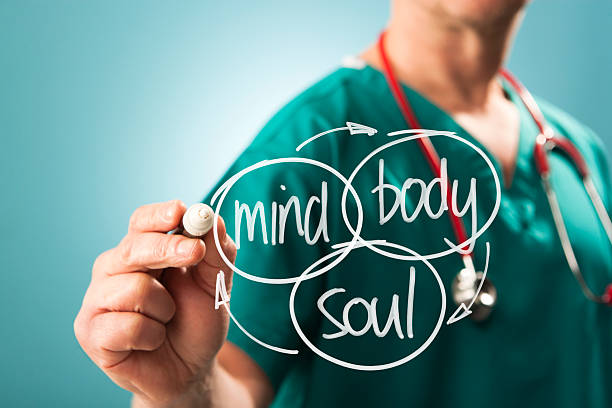
Holistic healing centers get at the root cause of addiction
Holistic rehab centers do not just focus on the symptoms of the problem but address the root cause of the problem since many factors influence addiction, such as mental health, trauma history, and genetic components that can lead to substance abuse. But dual diagnosis care and trauma therapy can reveal the cause of an individual’s addiction. Treating the root cause of substance abuse can largely decrease the possibility of relapse as professionals can create the right treatment plan based on the cause of addiction.
It provides individualized treatment.
Remember that the one-size-fits-all approach does not work in addiction treatment. Hence, holistic programs treat patients as individuals.
What is included in a holistic treatment plan?
Yoga
Yoga is an ancient Indian practice that combines breathing with various stretching exercises and postures. It is extremely helpful in reducing stress levels and stress-related symptoms of pain, anxiety, and depression and helps navigate difficult emotions.
Stress is often linked to drug and alcohol addiction as it self-medicates uncomfortable feelings and sensations related to stress. But yoga can help our bodies regulate stress hormones like adrenaline and cortisol, thus lowering perceived stress levels.
Yoga has also been proven to improve mood and brain chemistry by increasing feel-good neurotransmitters like GABA. It helps patients manage stressful experiences, reducing the risk of relapse. Yoga mainly includes movements through different postures, meditation, and breathing in specific sequences, which help center the body and mind in the present moment.
Meditation and mindfulness
This is about being fully present at the moment without feeling overwhelmed by distractions or emotions. The practice may involve seated, moving, walking, or even standing. One of the most popular mindfulness practices is meditation, which encourages the person to focus on their breath, notice thoughts as they arise, and bring the focus back to the breath.
This evokes curiosity about thoughts without judging them. It also reduces stress and improves reactive behaviors, managing cravings, intense emotions, and other triggers. Some programs may also offer meditation practices where you can recognize difficult emotions and urges and tackle them with healthy coping skills.
Fitness therapy
Substance abuse is sometimes fuelled by depression and anxiety symptoms, which can be eased by exercise and fitness therapy. It is a powerful tool for relapse prevention as it boosts feel-good chemicals in the brain. Also, it can immensely help to add structure and routine to our daily schedule, which is extremely important in the initial stages of recovery.
Massage therapy
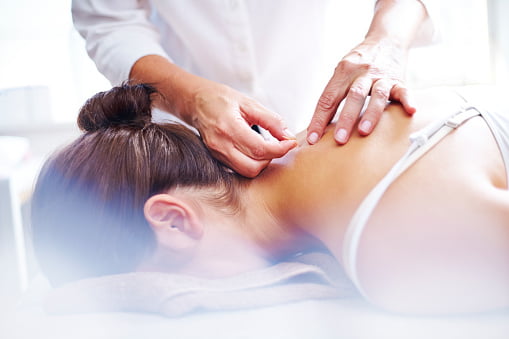
Massage therapy helps boost mood by improving dopamine and serotonin levels, promoting relaxation, reducing the stress response and levels of the stress hormone cortisol, decreasing pain, and improving sleep. All these factors are especially important for people in their early stages of abstinence from alcohol and drugs, as they may be experiencing physical symptoms of withdrawal.
To conclude
Some holistic rehab centers have a very exclusive approach towards addiction treatment, such as no use of medications, group sessions, etc. The Pouyan method is one such approach that aims at healing the body at a cellular level without using any medicines.
Read Also
- Full-Arch Dental Tourism: Why UK Patients With Severe Bone Loss Are Looking Abroad
 Dental implants have become one of the fastest-growing segments of private dentistry. Within that market, one patient group behaves very differently from the rest: people who have been told they do not have enough upper jawbone for conventional implants. For these patients, the choice is rarely between one clinic and another. It is between a… Read more: Full-Arch Dental Tourism: Why UK Patients With Severe Bone Loss Are Looking Abroad
 - Levels of Mental Health Care and When to Seek SupportMental health care can range from occasional outpatient appointments to 24-hour hospital treatment. The appropriate level depends on safety, symptom severity, daily functioning, medical needs, available support, treatment history and personal preferences. A licensed clinician should assess these factors rather than relying on a symptom list alone. Need help now? In the United States, call… Read more: Levels of Mental Health Care and When to Seek Support
- How to Choose a Shilajit Brand Based on the ResearchIn a randomized trial published in the Journal of the International Society of Sports Nutrition in 2019, 63 active men took 250 mg of standardized shilajit, 500 mg, or a placebo every day for eight weeks, and the benefit for strength retention after a fatiguing workout appeared only at 500 mg. For anyone choosing a… Read more: How to Choose a Shilajit Brand Based on the Research
- Can Outsourced Telepsychiatry Help Healthcare Organizations Keep Pace With Modern Mental Health Screening?Mental healthcare is changing quickly, but many hospitals, clinics, schools, correctional facilities, and community health organizations do not have enough psychiatric professionals available to turn new screening approaches into timely clinical care. Outsourced telepsychiatry offers one way to close that gap. FasPsych, for example, connects healthcare organizations with psychiatrists, psychiatric nurse practitioners, and other behavioral… Read more: Can Outsourced Telepsychiatry Help Healthcare Organizations Keep Pace With Modern Mental Health Screening?
- How to Incorporate Relaxation into Your Busy ScheduleFinding balance when you have a packed daily agenda often feels out of reach. Between work duties, family obligations, and personal projects, personal rest usually gets pushed to the bottom of the list. Small, intentional shifts in daily habits can help restore calm without requiring hours of extra free time. Continue reading to discover everything… Read more: How to Incorporate Relaxation into Your Busy Schedule