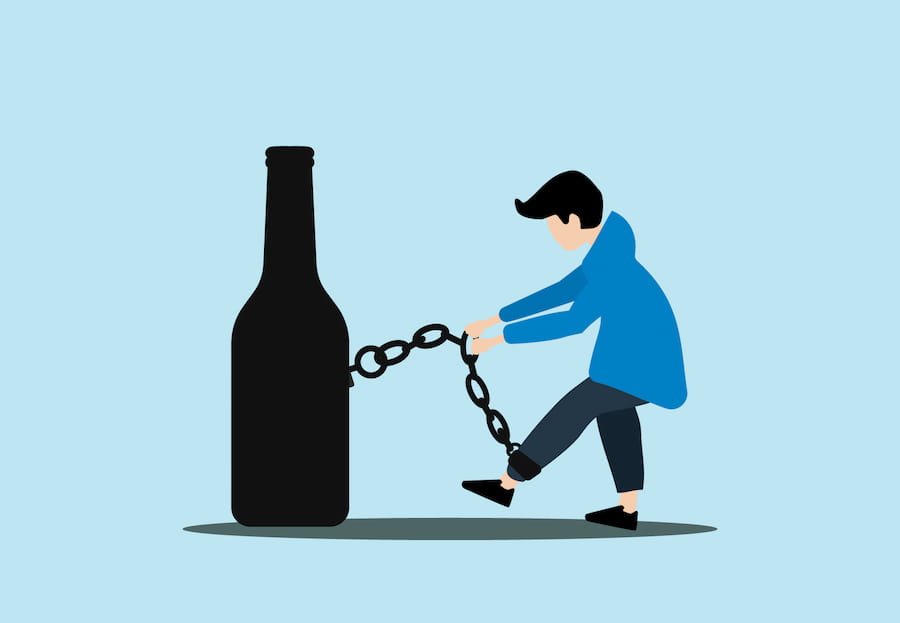
What is alcohol abuse?
Alcohol abuse refers to drinking patterns that cause harm to one’s health, relationships, or ability to work. This includes binge drinking and chronic heavy drinking. Potential effects are liver disease, accidents, conflicts with loved ones, mental health issues like depression, and reduced life quality. Recognizing alcohol abuse early enables seeking help before consequences worsen.
Why it matters to get help early
Acknowledging alcohol’s negative life impacts often represents an important first step. Warning signs include increased drinking tolerance, withdrawal symptoms when sober, hiding consumption, and experiencing alcohol-fueled problems.
Overcoming denial through compassionate support enables healthier lifestyles via treatment options like therapy, recovery groups, and medical help. Prioritizing wellness early prevents worsening issues over time.
How alcohol addiction develops
Alcohol triggers the brain’s reward center, releasing “feel good” chemicals like dopamine. This activates reward/craving feedback loops – the more one drinks, the more the brain associates alcohol with pleasure. Over time, brain chemistry changes increase alcohol’s importance over other rewards.
Simultaneously, ongoing heavy alcohol use dulls natural dopamine production, reducing enjoyment of everyday sober activities. When drinking stops, spiking stress hormones and low dopamine provoke physical and psychological withdrawal distress. These dynamics perpetuate excessive drinking.
Recognizing the need for change
Increasing life impairment suggests alcohol misuse. Signs include:
– Escalated drinking tolerance
– Withdrawal symptoms when sober
– Hiding/lying about consumption
– Health issues, relationship conflicts, work/legal problems
Pursuing treatment assists positive coping skills rebuilding and expanding social support beyond alcohol. Consult a doctor, as medications can also help ease dependency during early sobriety’s challenges. Together, these tools empower sustainable wellbeing without alcohol dependence.
The connection between alcohol addiction and mental health
Alcohol abuse and mental health disorders often worsen each other. Those struggling with one have higher risks of developing the other. For example, excessive drinking can exacerbate conditions like depression and anxiety partly through impacting brain chemistry.
Some also self-medicate existing mental health issues with heavy alcohol use. This spiral enables a vicious cycle where both addiction and mental health disorders grow increasingly severe.
Warning signs of concurrent issues include extreme mood changes, social withdrawal, neglected responsibilities, and an inability to reduce problem drinking. Integrated treatment addressing mental health and substance use components together disrupts this destructive linkage most effectively.
An integrated approach may involve dual diagnosis therapy, support groups, medication management, and learning healthier coping strategies. Building a sense of purpose and community support aids long-term wellness maintenance.
If you notice warning signs of co-occurring alcohol addiction and mental health issues, compassionately urge your loved one to seek help through their doctor or treatment specialists. Small steps today enable brighter times ahead.
Did you find this helpful? Check out our other helpful articles on our website.
Read Also
- Full-Arch Dental Tourism: Why UK Patients With Severe Bone Loss Are Looking Abroad
 Dental implants have become one of the fastest-growing segments of private dentistry. Within that market, one patient group behaves very differently from the rest: people who have been told they do not have enough upper jawbone for conventional implants. For these patients, the choice is rarely between one clinic and another. It is between a… Read more: Full-Arch Dental Tourism: Why UK Patients With Severe Bone Loss Are Looking Abroad
 - Levels of Mental Health Care and When to Seek SupportMental health care can range from occasional outpatient appointments to 24-hour hospital treatment. The appropriate level depends on safety, symptom severity, daily functioning, medical needs, available support, treatment history and personal preferences. A licensed clinician should assess these factors rather than relying on a symptom list alone. Need help now? In the United States, call… Read more: Levels of Mental Health Care and When to Seek Support
- How to Choose a Shilajit Brand Based on the ResearchIn a randomized trial published in the Journal of the International Society of Sports Nutrition in 2019, 63 active men took 250 mg of standardized shilajit, 500 mg, or a placebo every day for eight weeks, and the benefit for strength retention after a fatiguing workout appeared only at 500 mg. For anyone choosing a… Read more: How to Choose a Shilajit Brand Based on the Research
- How to Incorporate Relaxation into Your Busy ScheduleFinding balance when you have a packed daily agenda often feels out of reach. Between work duties, family obligations, and personal projects, personal rest usually gets pushed to the bottom of the list. Small, intentional shifts in daily habits can help restore calm without requiring hours of extra free time. Continue reading to discover everything… Read more: How to Incorporate Relaxation into Your Busy Schedule
- Red Light Therapy for Skin and Wellness: Meet Vital Red Light TherapyModern wellness is not always about complicated treatments or long routines. Many people are now looking for simple, convenient ways to support their skin, recovery, and overall wellness at home. One technology getting more attention is red light therapy. Red light therapy uses specific wavelengths of red and near-infrared light to support the body’s natural… Read more: Red Light Therapy for Skin and Wellness: Meet Vital Red Light Therapy
- Managing Shock Loss After a Hair Transplant: The Financial and Clinical Imperative of Post-Op CareIn the rapidly evolving landscape of private healthcare, executive leadership within cosmetic and restorative surgery clinics faces a dual challenge: maintaining strict clinical standards while maximizing patient lifetime value (LTV) and brand advocacy. As the global medical tourism and elective procedure markets expand, clinical outcome quality alone is no longer the sole differentiator for premium… Read more: Managing Shock Loss After a Hair Transplant: The Financial and Clinical Imperative of Post-Op Care
- Transform Your Skin Health: Premier Gluta IV Therapy in DubaiThis comprehensive guide explores how modern intravenous wellness treatments can help revitalize your complexion, boost immune function, and support overall cellular health. By incorporating modern IV therapy Dubai services into a routine health regimen, individuals can achieve direct nutrient absorption for optimal results. Selecting a customized gluta IV drip Dubai treatment provides targeted antioxidant defense,… Read more: Transform Your Skin Health: Premier Gluta IV Therapy in Dubai
- The Evolution of Dental Prosthetics: Innovation in Oral HealthDental replacements have improved a lot over time. Smiling, chewing, and speaking depend on having healthy teeth. When teeth break or go missing, today’s options can restore both function and confidence. Modern techniques make these replacements feel and look completely natural. Ancient Roots Of Tooth Replacement People have tried to replace lost teeth for thousands… Read more: The Evolution of Dental Prosthetics: Innovation in Oral Health