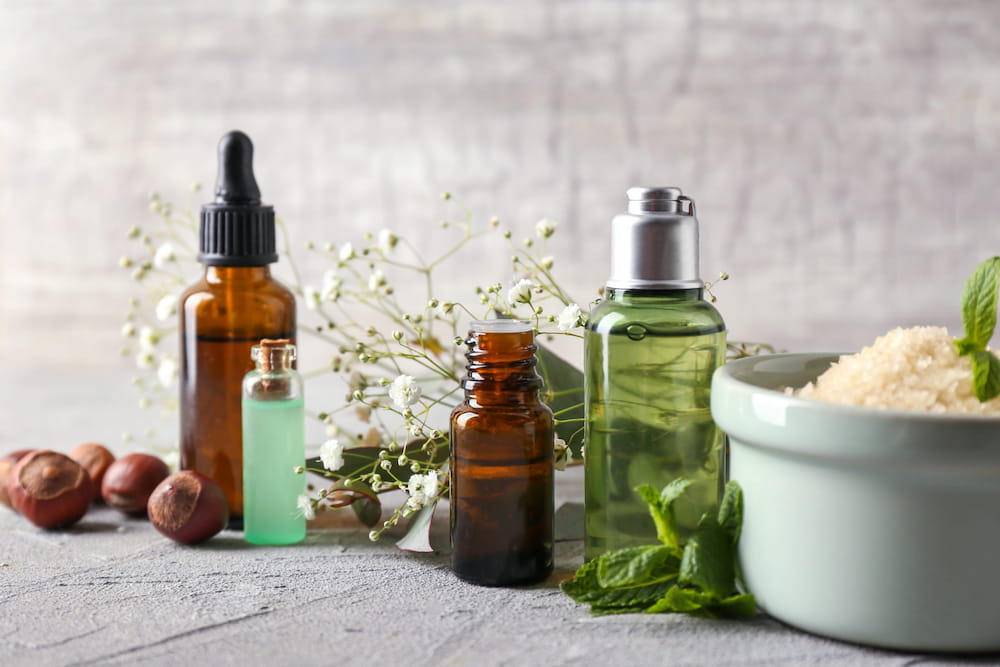
In recent years, plant-based health products have gained significant popularity among health enthusiasts and everyday consumers alike. As people become more conscious about what they put into their bodies, there is a growing demand for natural and sustainable alternatives to synthetic products. Plant-based supplements and health products, derived from herbs, fruits, vegetables, and other plant sources, provide a wealth of health benefits without the artificial additives and chemicals found in many traditional supplements. This beginner’s guide will help you understand the benefits of plant-based health products, why they are a great choice for your wellness routine, and how to get started with them.
What Are Plant-Based Health Products?
Plant-based health products are supplements, powders, oils, and other forms of wellness products made from natural plant sources. Unlike synthetic supplements, which are created in labs using chemicals, plant-based products rely on ingredients that come directly from nature. These products can include everything from herbal supplements like echinacea and ginseng to nutrient-dense powders such as spirulina and moringa.
The key advantage of plant-based products is that they harness the natural healing properties of plants. For centuries, different cultures around the world have used plants for their medicinal properties to treat various ailments and promote overall health. Today, modern science has validated many of these traditional practices, showing that plants can be powerful tools in maintaining and improving health.
Benefits of Plant-Based Health Products
Plant-based health products offer a range of benefits that can enhance your well-being in various ways. Here are some of the key benefits:
1. Rich in Nutrients and Antioxidants
Plants are naturally rich in essential vitamins, minerals, and antioxidants, which are crucial for maintaining good health. Vitamins such as A, C, and E, as well as minerals like magnesium, calcium, and potassium, are abundant in plant-based products. Antioxidants help protect the body against oxidative stress and free radicals, which can cause cell damage and lead to chronic diseases like heart disease and cancer.
For example, plant-based products like green tea extract, turmeric, and acai berry are well-known for their high antioxidant content. These products not only support overall health but also have specific benefits like boosting the immune system, reducing inflammation, and improving skin health.
2. Gentle on the Body and Better Absorbed
Unlike synthetic supplements, which can sometimes be harsh on the digestive system and lead to side effects like nausea or stomach cramps, plant-based supplements are generally easier for the body to process and absorb. Natural products are more bioavailable, meaning the body can recognize and use the nutrients more effectively. This can lead to better results and fewer side effects.
For instance, plant-based iron supplements derived from spinach or spirulina are often better tolerated than synthetic iron pills, which can cause constipation and other gastrointestinal issues. By choosing plant-based options, you are opting for products that are kinder to your body.
3. Supports Holistic Health and Wellness
Plant-based health products are often designed to support overall wellness rather than just targeting a specific symptom or condition. This approach aligns with holistic health principles, which emphasize the importance of treating the body as a whole rather than focusing on isolated issues. Many plant-based supplements, such as adaptogens like ashwagandha and rhodiola, work by helping the body adapt to stress, balancing hormones, and supporting overall mental and physical well-being.
By taking plant-based supplements, you are not just addressing one health concern; you are contributing to the overall harmony of your body and mind. Companies like Confidence USA have recognized the importance of this holistic approach, offering a range of plant-based supplements designed to promote comprehensive health and well-being.
4. Eco-Friendly and Sustainable
Choosing plant-based health products is also a more sustainable option for the planet. These products are generally made from renewable resources and have a lower environmental impact than synthetic supplements, which often rely on non-renewable chemicals and extensive processing. Plant-based products are more likely to be ethically sourced and environmentally friendly, aligning with the values of those who care about sustainability.
By supporting companies that prioritize eco-friendly practices, such as using recyclable packaging and sustainable sourcing, you can contribute to a healthier planet while also supporting your own health.
5. Free from Harmful Additives and Chemicals
One of the main reasons people switch to plant-based health products is to avoid the harmful additives, preservatives, and artificial colors found in many conventional supplements. Many synthetic supplements contain fillers and binders that serve no nutritional purpose and can sometimes cause allergic reactions or sensitivities. Plant-based products, on the other hand, tend to be more natural and free from unnecessary ingredients.
By choosing high-quality, plant-based supplements from reputable brands like Confidence USA, you can be confident that you are consuming a product that is pure, safe, and free from harmful substances.
How to Choose the Right Plant-Based Health Products
With so many plant-based health products on the market, it can be overwhelming to know where to start. Here are some tips to help you choose the right products for your needs:
1. Research the Ingredients
Before buying any supplement, it’s important to read the label and understand the ingredients. Look for products that contain high-quality, natural ingredients and avoid those with artificial additives or fillers. Research the benefits of specific plants and herbs to find products that align with your health goals.
2. Check for Certifications
When choosing a plant-based health product, look for certifications such as USDA Organic, Non-GMO Project Verified, and GMP (Good Manufacturing Practices). These certifications ensure that the product meets certain quality standards and is made using safe and ethical practices.
3. Choose Reputable Brands
Always buy from reputable brands that have a track record of producing high-quality supplements. Brands like Confidence USA are known for their commitment to natural, plant-based products and their emphasis on quality, safety, and efficacy. Reputable brands are also more likely to conduct third-party testing to ensure their products meet the highest standards.
4. Start with the Basics
If you are new to plant-based supplements, start with some of the basics like a multivitamin, a green superfood powder, or a probiotic. These foundational supplements can provide a broad range of nutrients and benefits, setting you on the path to better health without overwhelming you with too many products at once.
5. Consult with a Healthcare Professional
If you have any health conditions or are taking medication, it is always a good idea to consult with a healthcare professional before starting any new supplement. They can provide personalized advice based on your unique health needs and ensure that the supplements you choose are safe and effective for you.
Conclusion: Embracing Plant-Based Health Products for Better Well-Being

Plant-based health products offer a natural and effective way to support your health and well-being. With benefits like improved nutrient absorption, holistic wellness support, and fewer harmful additives, they are a great choice for anyone looking to take a more natural approach to health. By choosing reputable brands like Confidence USA, you can trust that you are getting high-quality, plant-based supplements that are good for both your body and the planet. Embrace the power of plants and take the first step toward a healthier, more balanced lifestyle today.
Did you find this helpful? Check out our other helpful articles on our website.
Read Also
- Childhood Allergies and Asthma: Signs, Triggers, and When to See a Pediatrician
 Allergies and asthma are two of the most common chronic conditions of childhood, and they often travel together. For parents, the challenge is that their signs — coughing, congestion, itchy eyes, wheezing — overlap with ordinary colds, which makes it easy to under-recognize a pattern that deserves attention. Understanding what to watch for helps you… Read more: Childhood Allergies and Asthma: Signs, Triggers, and When to See a Pediatrician
 - Newborn Care in the First Weeks: A Practical Guide for New ParentsBringing a newborn home is one of life’s great joys — and, for most parents, one of its most disorienting stretches. The first few weeks are a blur of feeding, diapering, and very little sleep, punctuated by a hundred small questions. A little grounding in the basics makes those weeks less overwhelming and helps you… Read more: Newborn Care in the First Weeks: A Practical Guide for New Parents
- Achilles Tendon Pain: From Tendinitis to Rupture and When to Get HelpThe Achilles is the strongest tendon in the body, and it takes an enormous load with every step, jump, and push-off. It’s also one of the most commonly injured — ranging from a nagging tendinitis that builds over weeks to a sudden, dramatic rupture. Understanding where your pain falls on that spectrum, and when it… Read more: Achilles Tendon Pain: From Tendinitis to Rupture and When to Get Help
- Diabetic Foot Care: Protecting Your Feet and Preventing Serious ComplicationsFor most people, a small blister or a minor cut on the foot is a non-event. For someone living with diabetes, that same small problem can become a serious one — quietly, and faster than expected. Diabetic foot care isn’t about anxiety; it’s about a few consistent habits and knowing which warning signs to never… Read more: Diabetic Foot Care: Protecting Your Feet and Preventing Serious Complications
- Weekend Warrior Injuries: When That Ache Is More Than a StrainThere’s a lot to admire about the weekend warrior — the person who spends the week at a desk and the weekend on the trail, the court, or the field. But squeezing a week’s worth of activity into two days, often without much warm-up, is exactly how injuries happen. The trick is knowing which aches… Read more: Weekend Warrior Injuries: When That Ache Is More Than a Strain
- Rotator Cuff Tears: Signs You Shouldn’t Ignore and Your Treatment OptionsShoulder pain has a way of sneaking into everything — reaching for a seatbelt, lifting a bag onto a shelf, even rolling over in bed. When that pain lingers and starts to limit what your arm can do, the rotator cuff is often the culprit. Knowing the warning signs of a tear, and when to… Read more: Rotator Cuff Tears: Signs You Shouldn’t Ignore and Your Treatment Options
- Essential Hygiene Products for High-Traffic Fitness SpacesFitness centers have many visitors each day. People use machines, locker rooms, and other shared areas from morning to night. Because so many people come and go, dirt and germs can build up fast. Good hygiene products help keep the space clean and safe. A clean gym makes a good first impression. Members notice clean… Read more: Essential Hygiene Products for High-Traffic Fitness Spaces
- What Makes Patients Choose a Dentist in the Digital AgeIn today’s fast-paced world, the digital age changes how we communicate and pick our healthcare providers, like dentists. With a wealth of information at our fingertips, patients are empowered to make informed decisions about their dental care. Factors such as trust, convenience, and online visibility play pivotal roles in influencing patient choices. Knowing what influences… Read more: What Makes Patients Choose a Dentist in the Digital Age