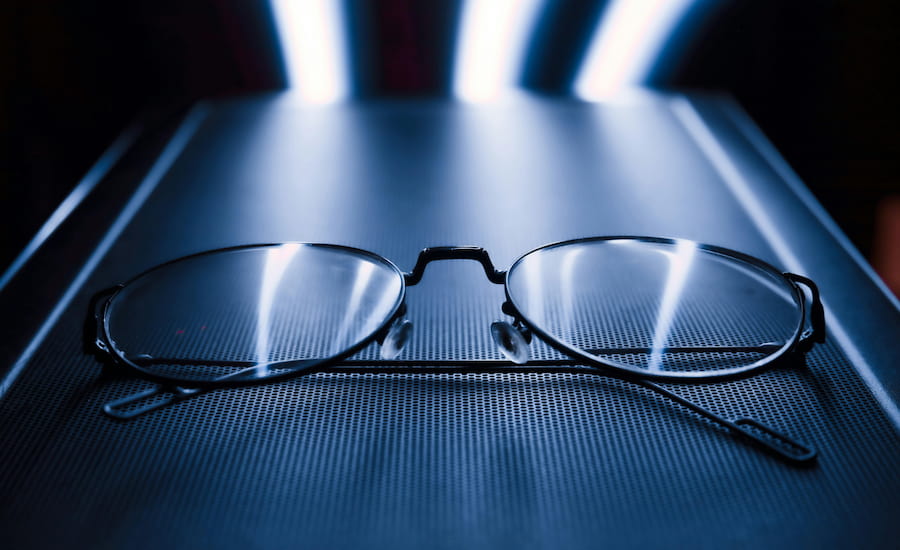
In an era where digital screens are integral to our daily lives, from smartphones to laptops to televisions, we are constantly exposed to blue light. This omnipresent aspect of modern living has raised concerns about the potential health implications of prolonged exposure to blue light. Enter blue light-blocking glasses, a product that has gained popularity for its claimed benefits in mitigating these concerns and is commonly sold by stores that provide quality eyewear for everyone. This article delves into the science behind blue light, the potential health implications of overexposure, and how blue light-blocking glasses can be a beneficial addition to our digital lives.
Understanding Blue Light
Blue light is a component of the visible light spectrum that can be seen by the human eye. It has a short wavelength, which means it produces higher amounts of energy. Sources of blue light include the sun, LED lighting, and digital screens. While blue light is essential for regulating our sleep-wake cycle and maintaining good health, excessive exposure, especially from artificial sources, can lead to potential health issues.
Health Implications of Blue Light Exposure
Disruption of Circadian Rhythm
One of the most discussed effects of blue light exposure is its impact on the circadian rhythm, our body’s natural sleep-wake cycle. Exposure to blue light, especially during the evening or at night, can trick our brains into thinking it’s still daylight, leading to difficulty falling asleep and disturbances in sleep patterns. This disruption can have a ripple effect, impacting mood, cognitive function, and overall health.
Eye Strain and Discomfort
Prolonged exposure to screens can cause digital eye strain, characterized by symptoms such as dry eyes, irritation, difficulty focusing, and headaches. The high energy emitted by blue light is partly to blame, as it can cause more flicker and glare than other types of light, leading to visual discomfort and fatigue.
Potential Risk to Eye Health
There is ongoing research into the long-term effects of blue light on eye health, with some studies suggesting that excessive exposure could contribute to the risk of macular degeneration, a leading cause of vision loss. While conclusive long-term data is still needed, these findings underscore the importance of mitigating excessive blue light exposure.
The Protective Role of Blue Light Blocking Glasses
Blue light-blocking glasses are designed with lenses that filter out or reduce exposure to blue light from artificial sources. By wearing these glasses, especially during prolonged screen use, individuals can enjoy several benefits.
Improved Sleep Quality
By blocking the blue light from screens in the evening, these glasses can help minimize its disruptive effects on the circadian rhythm. This can make it easier to fall asleep and improve the quality of sleep, leading to better overall health and well-being.
Reduced Eye Strain and Discomfort
Blue light blocking glasses can also play a significant role in reducing digital eye strain. By filtering out the blue light, the glasses reduce glare and the amount of high-energy light reaching the eyes. This reduction can alleviate symptoms like dryness, irritation, and the feeling of tired eyes, making screen time more comfortable.
Potential Long-Term Eye Protection
Although research is ongoing, the potential of blue light-blocking glasses to reduce exposure to the wavelengths associated with eye health risks is promising. By decreasing the amount of blue light that enters the eyes, these glasses could potentially lower the risk of conditions related to prolonged exposure, such as macular degeneration.
Enhanced Visual Comfort
Many users report a noticeable improvement in visual comfort when using blue light-blocking glasses during screen use. The reduction in glare and harsh light can make viewing screens more pleasant for extended periods, potentially improving focus and productivity.
Considerations and Recommendations
While the benefits of blue light-blocking glasses are compelling, it’s essential to approach their use as part of a broader strategy for managing screen time and protecting eye health. Here are some additional tips:
– Follow the 20-20-20 rule: Every 20 minutes, take a 20-second break to look at something 20 feet away. This habit helps reduce eye strain during prolonged screen use.
– Adjust screen settings: Many devices offer settings to reduce blue light exposure, such as night mode or warmer color temperatures. Utilizing these features can complement the use of blue light blocking glasses.
– Monitor screen time: Be mindful of the amount of time spent in front of screens, especially before bedtime, to minimize the impact on sleep and overall health.
Did you find this helpful? Check out our other helpful articles on our website.
Read Also
- Full-Arch Dental Tourism: Why UK Patients With Severe Bone Loss Are Looking Abroad
 Dental implants have become one of the fastest-growing segments of private dentistry. Within that market, one patient group behaves very differently from the rest: people who have been told they do not have enough upper jawbone for conventional implants. For these patients, the choice is rarely between one clinic and another. It is between a… Read more: Full-Arch Dental Tourism: Why UK Patients With Severe Bone Loss Are Looking Abroad
 - Levels of Mental Health Care and When to Seek SupportMental health care can range from occasional outpatient appointments to 24-hour hospital treatment. The appropriate level depends on safety, symptom severity, daily functioning, medical needs, available support, treatment history and personal preferences. A licensed clinician should assess these factors rather than relying on a symptom list alone. Need help now? In the United States, call… Read more: Levels of Mental Health Care and When to Seek Support
- How to Choose a Shilajit Brand Based on the ResearchIn a randomized trial published in the Journal of the International Society of Sports Nutrition in 2019, 63 active men took 250 mg of standardized shilajit, 500 mg, or a placebo every day for eight weeks, and the benefit for strength retention after a fatiguing workout appeared only at 500 mg. For anyone choosing a… Read more: How to Choose a Shilajit Brand Based on the Research
- How to Incorporate Relaxation into Your Busy ScheduleFinding balance when you have a packed daily agenda often feels out of reach. Between work duties, family obligations, and personal projects, personal rest usually gets pushed to the bottom of the list. Small, intentional shifts in daily habits can help restore calm without requiring hours of extra free time. Continue reading to discover everything… Read more: How to Incorporate Relaxation into Your Busy Schedule
- Red Light Therapy for Skin and Wellness: Meet Vital Red Light TherapyModern wellness is not always about complicated treatments or long routines. Many people are now looking for simple, convenient ways to support their skin, recovery, and overall wellness at home. One technology getting more attention is red light therapy. Red light therapy uses specific wavelengths of red and near-infrared light to support the body’s natural… Read more: Red Light Therapy for Skin and Wellness: Meet Vital Red Light Therapy
- Managing Shock Loss After a Hair Transplant: The Financial and Clinical Imperative of Post-Op CareIn the rapidly evolving landscape of private healthcare, executive leadership within cosmetic and restorative surgery clinics faces a dual challenge: maintaining strict clinical standards while maximizing patient lifetime value (LTV) and brand advocacy. As the global medical tourism and elective procedure markets expand, clinical outcome quality alone is no longer the sole differentiator for premium… Read more: Managing Shock Loss After a Hair Transplant: The Financial and Clinical Imperative of Post-Op Care
- Transform Your Skin Health: Premier Gluta IV Therapy in DubaiThis comprehensive guide explores how modern intravenous wellness treatments can help revitalize your complexion, boost immune function, and support overall cellular health. By incorporating modern IV therapy Dubai services into a routine health regimen, individuals can achieve direct nutrient absorption for optimal results. Selecting a customized gluta IV drip Dubai treatment provides targeted antioxidant defense,… Read more: Transform Your Skin Health: Premier Gluta IV Therapy in Dubai
- The Evolution of Dental Prosthetics: Innovation in Oral HealthDental replacements have improved a lot over time. Smiling, chewing, and speaking depend on having healthy teeth. When teeth break or go missing, today’s options can restore both function and confidence. Modern techniques make these replacements feel and look completely natural. Ancient Roots Of Tooth Replacement People have tried to replace lost teeth for thousands… Read more: The Evolution of Dental Prosthetics: Innovation in Oral Health