


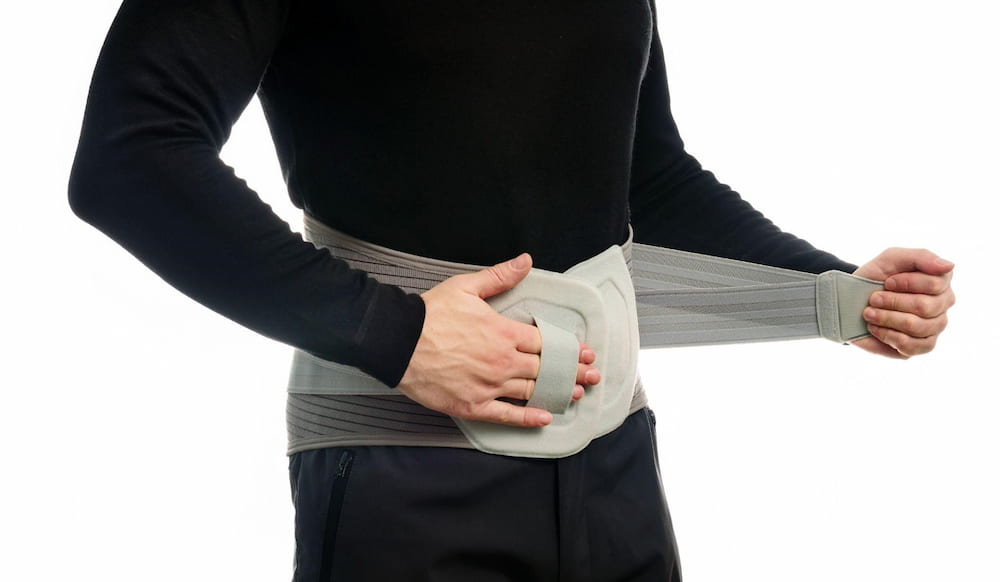
A hernia belt is a garment worn around the waist to support the abdominal area. If you are experiencing pain or discomfort in your stomach, you may need to start wearing a hernia belt. This blog post will discuss the different types of hernia belts available and how they can help relieve your symptoms. We will also answer some common questions about hernia belts, such as “Do I need one?” and “How do I wear it?”
What is a hernia belt, and what are its uses?
A hernia belt is a type of garment that is worn to support a hernia. It typically covers the area of the body where the hernia is located and applies gentle pressure to the area to keep the contents of the abdomen in place. Hernia belts are often used in conjunction with other forms of treatment, such as icing the area and taking over-the-counter pain medication. In some cases, a hernia belt may be recommended as a preventive measure for those who are at risk of developing a hernia. For example, pregnant women or people who have previously had a hernia are often advised to wear a hernia belt. Hernia belts are available in both men’s and women’s sizes and can be purchased online or at some medical supply stores.
How do you know if you need a hernia belt or not?
Hernias can occur when there is a weakness or hole in the abdominal wall. This can cause the contents of the abdomen to bulge out through the opening. Hernias are most commonly seen in the groin area, but they can also occur in the belly button or chest. Hernias can be present at birth or develop over time. They are more common in men than women and are more likely to occur as people get older. Many hernias do not cause any symptoms and do not require treatment. However, some hernias can cause pain, discomfort, or difficulty urinating.
What are the benefits of using a hernia belt for those with hernias?
The hernia belt applies gentle pressure to the abdomen, which helps keep the hernia in place and prevents it from worsening. Additionally, the belt can support the muscles and tissues around the hernia, helping prevent further injury. Wearing a hernia belt is often recommended for those who have an active lifestyle or participate in strenuous activities, as it can help to reduce the risk of developing a hernia. Additionally, hernia belts are often used after surgery to help support the area while it heals.
What are the risks associated with using a hernia belt for those with hernias?
Although hernia belts are commonly used to treat hernias, some risks are associated with them. The most common complication is skin irritation, which can be caused by the constant friction of the belt against the skin. In some cases, this can lead to the development of a rash or even an infection. Additionally, hernia belts can put pressure on surrounding organs, which can cause pain or discomfort. In rare cases, using a hernia belt can also restrict blood flow to the affected area, leading to tissue death.
If you are experiencing pain in your abdominal area, it is important to consult with a doctor to determine the cause. A hernia belt may be recommended as part of your treatment plan. Hernia belts can relieve pain and discomfort by compressing and supporting the abdomen. If you are considering purchasing a hernia belt, check out Blitzu and its collection of high-quality hernia belts.
Read Also
- Full-Arch Dental Tourism: Why UK Patients With Severe Bone Loss Are Looking Abroad
 Dental implants have become one of the fastest-growing segments of private dentistry. Within that market, one patient group behaves very differently from the rest: people who have been told they do not have enough upper jawbone for conventional implants. For these patients, the choice is rarely between one clinic and another. It is between a… Read more: Full-Arch Dental Tourism: Why UK Patients With Severe Bone Loss Are Looking Abroad
 - Levels of Mental Health Care and When to Seek SupportMental health care can range from occasional outpatient appointments to 24-hour hospital treatment. The appropriate level depends on safety, symptom severity, daily functioning, medical needs, available support, treatment history and personal preferences. A licensed clinician should assess these factors rather than relying on a symptom list alone. Need help now? In the United States, call… Read more: Levels of Mental Health Care and When to Seek Support
- How to Choose a Shilajit Brand Based on the ResearchIn a randomized trial published in the Journal of the International Society of Sports Nutrition in 2019, 63 active men took 250 mg of standardized shilajit, 500 mg, or a placebo every day for eight weeks, and the benefit for strength retention after a fatiguing workout appeared only at 500 mg. For anyone choosing a… Read more: How to Choose a Shilajit Brand Based on the Research
- How to Incorporate Relaxation into Your Busy ScheduleFinding balance when you have a packed daily agenda often feels out of reach. Between work duties, family obligations, and personal projects, personal rest usually gets pushed to the bottom of the list. Small, intentional shifts in daily habits can help restore calm without requiring hours of extra free time. Continue reading to discover everything… Read more: How to Incorporate Relaxation into Your Busy Schedule
- Red Light Therapy for Skin and Wellness: Meet Vital Red Light TherapyModern wellness is not always about complicated treatments or long routines. Many people are now looking for simple, convenient ways to support their skin, recovery, and overall wellness at home. One technology getting more attention is red light therapy. Red light therapy uses specific wavelengths of red and near-infrared light to support the body’s natural… Read more: Red Light Therapy for Skin and Wellness: Meet Vital Red Light Therapy
- Managing Shock Loss After a Hair Transplant: The Financial and Clinical Imperative of Post-Op CareIn the rapidly evolving landscape of private healthcare, executive leadership within cosmetic and restorative surgery clinics faces a dual challenge: maintaining strict clinical standards while maximizing patient lifetime value (LTV) and brand advocacy. As the global medical tourism and elective procedure markets expand, clinical outcome quality alone is no longer the sole differentiator for premium… Read more: Managing Shock Loss After a Hair Transplant: The Financial and Clinical Imperative of Post-Op Care






