Have you earned your medical degree from a reputable university? Are you thinking about the supplies that you need to start your own medical practice?
Starting a new medical clinic is no easy task. Not only do you need certification from a clinical institution. You also need to invest in clinical supplies for running your own practice. Once you have the credentials and the equipment, your clinic will be operational in no time.
Read on to learn more about the best supplies to invest in while you’re opening your medical center.
Basic Diagnostic Tools
One of the essential categories of clinical equipment to have is basic diagnostic tools. These common medical tools include items such as stethoscopes, blood pressure cuffs, thermometers, and otoscopes.
These tools allow healthcare providers to assess a patient’s vital signs. It also allows a doctor to listen to heart and lung sounds. These tools also help examine the ears and throat for any abnormalities.
Basic Medical Supplies
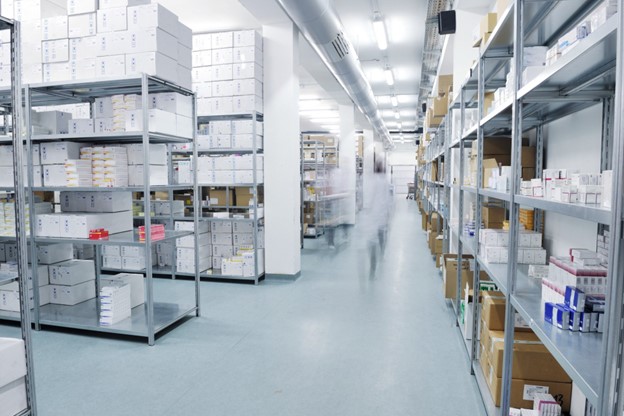
Basic medical supplies for administering medications include syringes, needles, alcohol pads, and gloves. It is also important to have a well-stocked medication cart or cabinet. Make sure that it has proper labeling and organization to prevent any mix-ups.
It’s also important to store the vaccines in a designated refrigerator at the right temperature. A reliable system should be in place to track end dates and ensure timely replenishment. Proper training for staff on the handling and storage of medications and vaccines is also essential.
Proper Sterilization Equipment
Having proper sterilization tools is crucial to ensure the safety of patients. Some essential items include autoclaves and ultrasonic cleaners. Autoclaves use high-pressure steam to sterilize equipment and instruments. An ultrasonic cleaner uses sound waves to remove debris from tools.
A functioning sterilization equipment not only protects patients. It also ensures the effectiveness of medical procedures and the maintenance of a hygienic environment.
Other Medical Consumables
It is important to stock up on other medical consumables. These may include items such as urinalysis test strips, thermometers, and wound care products. It is also important to restock and replace these supplies to ensure that they are always available when needed.
Advanced Medical Equipment
Clinics should also have more advanced medical equipment, like different types of ICDs. These devices are used to regulate and correct abnormal heart rhythms. This makes them essential in emergency situations.
Other equipment to have in a clinic include EKG machines, ultrasound machines, and portable X-ray machines. These advanced tools allow medical professionals to diagnose and treat various medical conditions. This enhances the quality of care provided to patients.
Invest in the Right Clinical Supplies and Equipment Today
Having the right equipment in a medical clinic is crucial for ensuring efficient and effective patient care. Clinical supplies play a vital role in the successful operation of a medical facility.
To ensure the best possible outcomes for patients, it is important for clinics to assess and update their equipment inventory. Invest in your clinic and invest in the health of your patients.
Head over to our blog for more helpful reads!
Read Also
- What Today’s Patients Expect From Healthcare Brands
 Healthcare is no longer experienced only through appointments, prescriptions, or hospital visits. Patients now interact with healthcare brands through websites, mobile applications, educational articles, product instructions, customer support teams, social media, and online reviews. Every one of these interactions influences how people judge a company. This shift has raised expectations. Patients want accurate information, convenient… Read more: What Today’s Patients Expect From Healthcare Brands
 - Top Trends Shaping the Future of Mental Health CareMental health care is moving fast to meet daily human needs. People want direct care that fits modern life. Clinics respond by creating flexible options that make healing easier to reach. Providers look past rigid habits to give people solid care. From smart tools to body wellness, these changes help people find relief when life… Read more: Top Trends Shaping the Future of Mental Health Care
- Can Outsourced Telepsychiatry Help Healthcare Organizations Keep Pace With Modern Mental Health Screening?Mental healthcare is changing quickly, but many hospitals, clinics, schools, correctional facilities, and community health organizations do not have enough psychiatric professionals available to turn new screening approaches into timely clinical care. Outsourced telepsychiatry offers one way to close that gap. FasPsych, for example, connects healthcare organizations with psychiatrists, psychiatric nurse practitioners, and other behavioral… Read more: Can Outsourced Telepsychiatry Help Healthcare Organizations Keep Pace With Modern Mental Health Screening?
- Five operational checks for choking readiness in healthcare facilitiesA facility can have a choking poster on every wall and still be unprepared. Preparedness shows up when someone can recognize the emergency, call the right response, bring the right people and supplies to the room, and hand over clear information without losing time. That test belongs in operations as well as clinical education. The… Read more: Five operational checks for choking readiness in healthcare facilities
- Understanding the Demand for Correctional Healthcare ProfessionalsHave you ever wondered who cares for people when they get sick inside a prison? Many people do not realize that jails and prisons need skilled medical teams every single day. By reading this guide, you will learn why these important jobs are growing fast and how you can join this rewarding career field. Caring… Read more: Understanding the Demand for Correctional Healthcare Professionals