



For any healthcare provider, patient or client satisfaction is increasingly important. Far more vital than many who own these types of businesses realize. Recently, the RepuGen Patient Review Survey 2021, found that 3 in 4 patients prefer healthcare providers with a minimum star rating of 4 or more. So, clinics, hospitals, spas, dentists, and other types of healthcare practitioners must take this aspect of their business seriously.
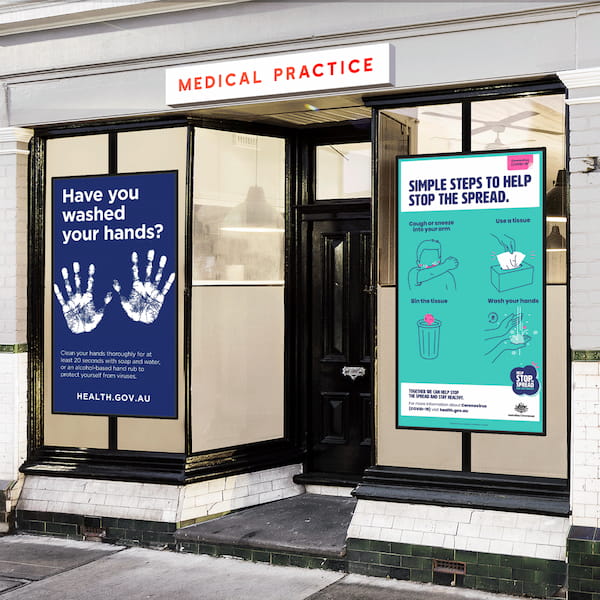
Fortunately, there are lots of things they can do to keep their patients happy, which in turn prompts them to leave good reviews. Including tapping into the power of digital signage. Now, we know some of you are currently scratching your heads asking – how on earth can digital signage display be used to improve patient experiences. That statement does sound surprising, but by the time you have read this article, you will have discovered six ways screens can be used in clinical settings.
To Help People to Navigate Your Premises
Nobody likes to get lost. Using digital signs is a good way to help patients and visitors find their way around a facility.
To Keep Patients Better Informed
Patients do not like being left in the dark. They want to know where they are in the queue, what the expected wait time is and to be kept up to date about things that affect them. For example, changes in the billing process or details of repair work that could affect how the clinic operates. Digital screens are a great way to share this type of important information with them.
To Distract and Occupy Them
People do not like waiting. It is very stressful. The longer they wait the more agitated they become. This is not good for their health and can mean that by the time they get to see the doctor or practitioner, they are too tense to benefit fully from the consultation. Providing patients with something to look at while they wait is an excellent way to distract them.
Often, if they are able to watch a series of short videos about your services, health matters, and other related subjects they will not realize how much time has passed. However, clinics do need to be careful when using this approach. The cycle of content that is shown needs to be long enough for the patient not to end up watching it multiple times. If that happens most people will feel that they have been waiting longer than they physically have.
To Inspire Change
When they are in a health care setting people´s mindset changes. They are less distracted by what is going on around them and are more focused on matters related to health. This means that they are far more open to receiving, taking in, and acting upon health messages. It is really easy to use digital screens to run effective health improvement campaigns. The fact that the message can be shared using text or moving images helps to make them even more effective.
To Share Details of Other Treatments They Could Benefit From
When someone is at reception or in the waiting room you have their attention. Anything that is shown on the screens in these areas is highly likely to catch people’s eye. Making them the perfect place to share more details of what your clinic has to offer.
Often, patients will learn about something else that could benefit them. Even if they do not decide to book another consultation there and then, there is a good chance that they will do so in the future.
To Take Care of People in an Emergency
Should there be an emergency, what is being displayed on the screens can be changed very quickly. This makes it easy for you to share important messages with people to keep them safe and reduce any feelings of anxiety that they may be experiencing.
To Improve Staff Communication and Performance
The more closely clinicians, practitioners, and support staff work together the better patient service will be. Digital screens can be deployed in backroom spaces to help with this. Many clinics and hospitals use them to share important process changes with their staff or to remind them of the importance of the role that they play in patient care.
They are increasingly being used to help clinicians stay up to date about new treatment options. Armed with this knowledge they can greatly improve health outcomes for patients while also improving their job satisfaction.
Digital screens are not expensive to install and run, according to digital signage experts mandoemedia.com. Something that means that those clinics and hospitals that do deploy them quickly get their money back.
Read Also
- Full-Arch Dental Tourism: Why UK Patients With Severe Bone Loss Are Looking Abroad
 Dental implants have become one of the fastest-growing segments of private dentistry. Within that market, one patient group behaves very differently from the rest: people who have been told they do not have enough upper jawbone for conventional implants. For these patients, the choice is rarely between one clinic and another. It is between a… Read more: Full-Arch Dental Tourism: Why UK Patients With Severe Bone Loss Are Looking Abroad
 - Levels of Mental Health Care and When to Seek SupportMental health care can range from occasional outpatient appointments to 24-hour hospital treatment. The appropriate level depends on safety, symptom severity, daily functioning, medical needs, available support, treatment history and personal preferences. A licensed clinician should assess these factors rather than relying on a symptom list alone. Need help now? In the United States, call… Read more: Levels of Mental Health Care and When to Seek Support
- How to Choose a Shilajit Brand Based on the ResearchIn a randomized trial published in the Journal of the International Society of Sports Nutrition in 2019, 63 active men took 250 mg of standardized shilajit, 500 mg, or a placebo every day for eight weeks, and the benefit for strength retention after a fatiguing workout appeared only at 500 mg. For anyone choosing a… Read more: How to Choose a Shilajit Brand Based on the Research
- How to Incorporate Relaxation into Your Busy ScheduleFinding balance when you have a packed daily agenda often feels out of reach. Between work duties, family obligations, and personal projects, personal rest usually gets pushed to the bottom of the list. Small, intentional shifts in daily habits can help restore calm without requiring hours of extra free time. Continue reading to discover everything… Read more: How to Incorporate Relaxation into Your Busy Schedule
- Red Light Therapy for Skin and Wellness: Meet Vital Red Light TherapyModern wellness is not always about complicated treatments or long routines. Many people are now looking for simple, convenient ways to support their skin, recovery, and overall wellness at home. One technology getting more attention is red light therapy. Red light therapy uses specific wavelengths of red and near-infrared light to support the body’s natural… Read more: Red Light Therapy for Skin and Wellness: Meet Vital Red Light Therapy





