The Rise of Online Education in Health and Human Services
You’ve probably thought about going back to school to advance your health and human services online. But finding the time and money for traditional in-person classes can be hard. Maybe you’ve considered online education but aren’t sure it’s right for you. We get it – taking that first step into online learning is a big decision. In this post, we’ll explore how remote education can open doors in this field and why the future of online health and human services degrees is now. We’ll look at the unique benefits of distance learning, like flexibility and affordability. And we’ll discuss how emerging technologies are making remote classrooms more interactive. Whether you’re considering graduate school or just want to pick up new skills, read on to see why online is the way to go for today’s health and human services students.
Benefits of Remote Learning for Health and Human Services Fields
Online learning is transforming higher education, and health and human service programs are no exception.
A Growing Trend
In recent years, more and more schools have started offering health and human service degrees and certificates online. Everything from nursing and social work to healthcare administration and public health is now available in a distance format.
Flexible and Accessible
Online programs provide a flexible way for working professionals to advance their education and careers without having to leave their jobs or relocate. Students can log in and complete coursework whenever their schedule allows. This flexibility also makes higher education more accessible, opening doors for nontraditional and underserved students.
Hands-On Learning
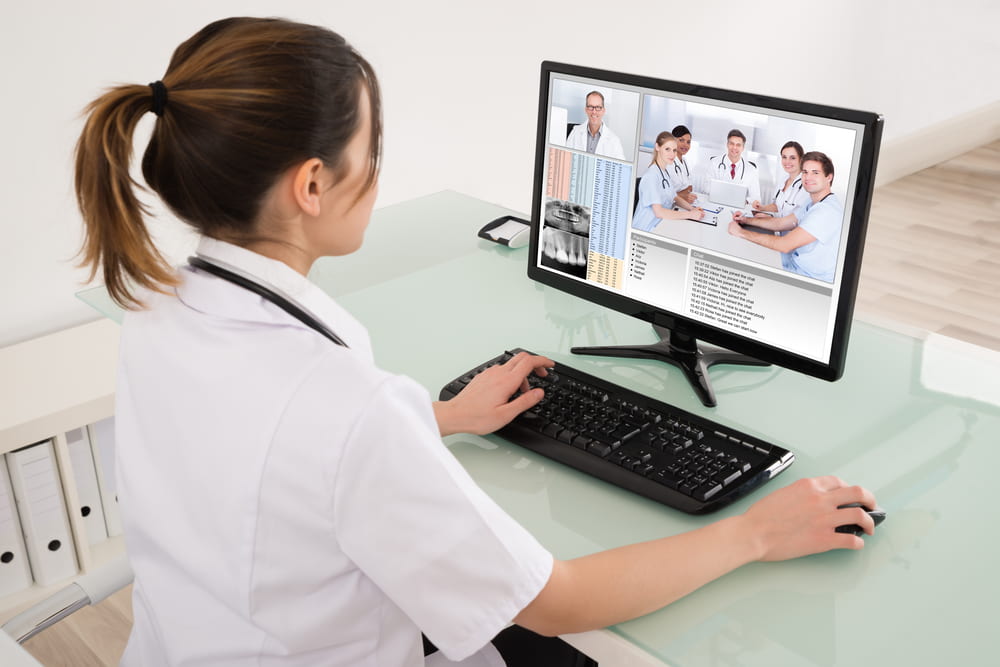
While online education was once viewed as inferior, modern programs incorporate interactive and immersive learning experiences. Students undertake virtual simulations and use web-conferencing tools to collaborate with instructors and peers. Some schools even require in-person intensives, internships, or clinical placements to provide real-world experience.
Career Opportunities
An online degree or certificate in a health or human service field can lead to new and exciting career opportunities. Shortages of nurses, social workers, and healthcare administrators mean that job prospects in these areas are strong. For those already working in the field, further education is a path to career advancement and higher pay.
Online learning has revolutionized health and human services education. With flexible, hands-on programs, these vital fields are now more accessible than ever before. And in an age of telemedicine and e-health records, tech-savvy professionals are increasingly in demand. The future of healthcare is online.
Implementing Successful Online Programs for Health and Human Services
Remote learning offers many advantages for those in health and human services.
Convenience and Flexibility
With online courses, you can learn on your own schedule. No need to commute to a physical classroom. You can fit your coursework in whenever you have time, on any device. This flexibility is ideal for busy professionals or those juggling work and family responsibilities.
Low Cost
Online programs are often more affordable than traditional degrees. You save money on transportation, parking, and housing costs. Digital resources and open educational resources can replace expensive textbooks. Some schools even offer discounts for remote learners.
Exposure to Technology
Remote learning exposes you to useful technologies that translate well to health and human services careers. You’ll become proficient with online communication tools, learning management systems, telehealth platforms, and more. These technical skills will serve you well as technology becomes more integrated into healthcare.
While remote learning isn’t for everyone, the convenience, affordability, and exposure to new technologies can make it an attractive option for many in the health and human services field. With a growing number of reputable schools offering accredited online programs, now is a great time to take advantage of all that remote learning has to offer.
Did you find this helpful? Check out our other helpful articles on our website.
Read Also
- Full-Arch Dental Tourism: Why UK Patients With Severe Bone Loss Are Looking Abroad
 Dental implants have become one of the fastest-growing segments of private dentistry. Within that market, one patient group behaves very differently from the rest: people who have been told they do not have enough upper jawbone for conventional implants. For these patients, the choice is rarely between one clinic and another. It is between a… Read more: Full-Arch Dental Tourism: Why UK Patients With Severe Bone Loss Are Looking Abroad
 - Levels of Mental Health Care and When to Seek SupportMental health care can range from occasional outpatient appointments to 24-hour hospital treatment. The appropriate level depends on safety, symptom severity, daily functioning, medical needs, available support, treatment history and personal preferences. A licensed clinician should assess these factors rather than relying on a symptom list alone. Need help now? In the United States, call… Read more: Levels of Mental Health Care and When to Seek Support
- How to Choose a Shilajit Brand Based on the ResearchIn a randomized trial published in the Journal of the International Society of Sports Nutrition in 2019, 63 active men took 250 mg of standardized shilajit, 500 mg, or a placebo every day for eight weeks, and the benefit for strength retention after a fatiguing workout appeared only at 500 mg. For anyone choosing a… Read more: How to Choose a Shilajit Brand Based on the Research
- How to Incorporate Relaxation into Your Busy ScheduleFinding balance when you have a packed daily agenda often feels out of reach. Between work duties, family obligations, and personal projects, personal rest usually gets pushed to the bottom of the list. Small, intentional shifts in daily habits can help restore calm without requiring hours of extra free time. Continue reading to discover everything… Read more: How to Incorporate Relaxation into Your Busy Schedule
- Red Light Therapy for Skin and Wellness: Meet Vital Red Light TherapyModern wellness is not always about complicated treatments or long routines. Many people are now looking for simple, convenient ways to support their skin, recovery, and overall wellness at home. One technology getting more attention is red light therapy. Red light therapy uses specific wavelengths of red and near-infrared light to support the body’s natural… Read more: Red Light Therapy for Skin and Wellness: Meet Vital Red Light Therapy
- Managing Shock Loss After a Hair Transplant: The Financial and Clinical Imperative of Post-Op CareIn the rapidly evolving landscape of private healthcare, executive leadership within cosmetic and restorative surgery clinics faces a dual challenge: maintaining strict clinical standards while maximizing patient lifetime value (LTV) and brand advocacy. As the global medical tourism and elective procedure markets expand, clinical outcome quality alone is no longer the sole differentiator for premium… Read more: Managing Shock Loss After a Hair Transplant: The Financial and Clinical Imperative of Post-Op Care
- Transform Your Skin Health: Premier Gluta IV Therapy in DubaiThis comprehensive guide explores how modern intravenous wellness treatments can help revitalize your complexion, boost immune function, and support overall cellular health. By incorporating modern IV therapy Dubai services into a routine health regimen, individuals can achieve direct nutrient absorption for optimal results. Selecting a customized gluta IV drip Dubai treatment provides targeted antioxidant defense,… Read more: Transform Your Skin Health: Premier Gluta IV Therapy in Dubai
- The Evolution of Dental Prosthetics: Innovation in Oral HealthDental replacements have improved a lot over time. Smiling, chewing, and speaking depend on having healthy teeth. When teeth break or go missing, today’s options can restore both function and confidence. Modern techniques make these replacements feel and look completely natural. Ancient Roots Of Tooth Replacement People have tried to replace lost teeth for thousands… Read more: The Evolution of Dental Prosthetics: Innovation in Oral Health