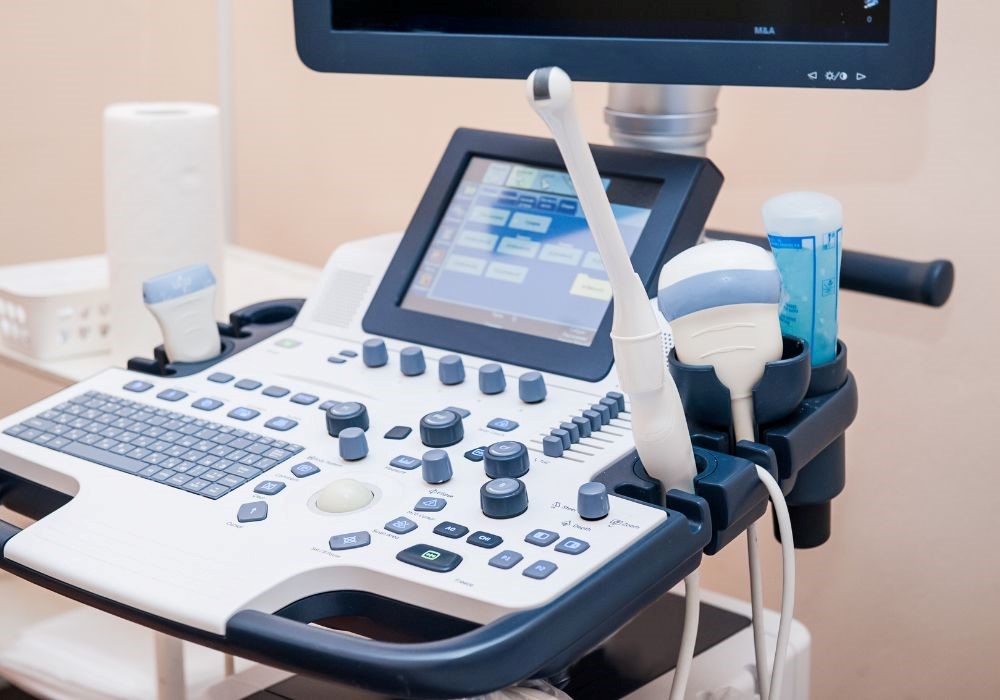
Saving money on ultrasound equipment can help you improve your business and provide better healthcare services to patients. Fortunately, you don’t have to jump through hoops to find reliable, accurate, and efficient equipment at a fair price. Discover five budget tips for medical equipment in your facility.
1. Consider Refurbished Equipment
Buying refurbished equipment can help you save a lot of money. The equipment provider should answer all your questions about their business, refurbishment processes, and the equipment you intend to purchase.
To ensure quality, choose a reliable equipment provider with a professional team to test, certify, clean, and package equipment. Used equipment that has not been refurbished by a qualified professional is typically unsafe, often not tested, and may not function correctly.
One of the top advantages of a refurbished ultrasound machine is budget flexibility. Buying refurbished equipment can allow you to upgrade your equipment sooner or make it more possible to afford other necessary devices.
2. Ask About Overstock Items
Another budget tip for equipment in your ultrasound facility is to ask suppliers for overstock items. Overstock is also called excess inventory, and it happens when suppliers order more products than they sell. The sitting overstock items can rack up storage costs and tie up the supplier’s cash.
Some companies advertise their overstock items, but others don’t. Ask about overstock items to see if the company is willing to sell supplies at a steep discount.
3. Purchase in Bulk
If you’re expanding your practice or want to upgrade across the board, it could be a good time to purchase supplies in bulk to save money. When you place a large order, many medical equipment suppliers are willing to offer attractive price reductions on individual items.
Bulk purchases can also save you money on shipping fees. And on top of these other benefits, when you negotiate for a bulk purchase, you can request free or discounted perks like equipment accessories. Be sure to check for domestic shipping rates before making an order to see if you can save some money.
4. Buy at the Right Time
Suppliers run sales at different times of the year, so timing your purchase can save you a lot of money. Many companies like to clear out old inventory at the end of each quarter and at an end-of-year sale that takes place from mid-November to the end of December.
Medical equipment suppliers also run promotions, often connected to special events and holidays. You can enjoy considerable savings if you shop during the promotion window.
5. Negotiate in Good Faith
Negotiating with sincere intentions benefits your bottom line and future interactions with suppliers. Know your budget restrictions, your equipment requirements, and your timeline so that you can inform salespeople of these essential details from the start.
Have reasonable expectations. For example, don’t compare the price of professionally refurbished equipment with unverified used equipment. Ask questions about what determines the cost and assess price flexibility from there.
Upgrade your sonography business with affordable equipment. Consider buying refurbished equipment or purchasing at specific times to make your budget go further.
Ask your supplier about overstock items, and consider purchasing supplies in bulk. Finally, always negotiate in good faith for the best deals and strong business relationships.
Read Also
- What Today’s Patients Expect From Healthcare Brands
 Healthcare is no longer experienced only through appointments, prescriptions, or hospital visits. Patients now interact with healthcare brands through websites, mobile applications, educational articles, product instructions, customer support teams, social media, and online reviews. Every one of these interactions influences how people judge a company. This shift has raised expectations. Patients want accurate information, convenient… Read more: What Today’s Patients Expect From Healthcare Brands
 - Top Trends Shaping the Future of Mental Health CareMental health care is moving fast to meet daily human needs. People want direct care that fits modern life. Clinics respond by creating flexible options that make healing easier to reach. Providers look past rigid habits to give people solid care. From smart tools to body wellness, these changes help people find relief when life… Read more: Top Trends Shaping the Future of Mental Health Care
- Can Outsourced Telepsychiatry Help Healthcare Organizations Keep Pace With Modern Mental Health Screening?Mental healthcare is changing quickly, but many hospitals, clinics, schools, correctional facilities, and community health organizations do not have enough psychiatric professionals available to turn new screening approaches into timely clinical care. Outsourced telepsychiatry offers one way to close that gap. FasPsych, for example, connects healthcare organizations with psychiatrists, psychiatric nurse practitioners, and other behavioral… Read more: Can Outsourced Telepsychiatry Help Healthcare Organizations Keep Pace With Modern Mental Health Screening?
- Five operational checks for choking readiness in healthcare facilitiesA facility can have a choking poster on every wall and still be unprepared. Preparedness shows up when someone can recognize the emergency, call the right response, bring the right people and supplies to the room, and hand over clear information without losing time. That test belongs in operations as well as clinical education. The… Read more: Five operational checks for choking readiness in healthcare facilities
- Understanding the Demand for Correctional Healthcare ProfessionalsHave you ever wondered who cares for people when they get sick inside a prison? Many people do not realize that jails and prisons need skilled medical teams every single day. By reading this guide, you will learn why these important jobs are growing fast and how you can join this rewarding career field. Caring… Read more: Understanding the Demand for Correctional Healthcare Professionals