Good dental hygiene and regular dental visits are essential for maintaining oral and overall health. While the thought of visiting the dentist may make some individuals nervous, knowing what to expect can often alleviate any anxieties.
The world of dental procedures can be overwhelming, and it’s natural to have questions before your next visit. Fortunately, understanding the most common dental procedures can help make your next appointment more comfortable and stress-free.
In this blog post, we’ll provide an overview of the most common dental procedures performed by dentists, including what to expect during the procedures, and how to prepare for them.
Whether you’re looking for information about a routine cleaning, a filling, or a root canal, this article has got you covered.
Our goal is to help you understand the importance of regular dental checkups and cleanings, as well as to demystify some of the common procedures that your dentist may recommend. By empowering you with the knowledge of what to expect when sitting in the dental chair, we hope to make
Professional Cleaning and Examination
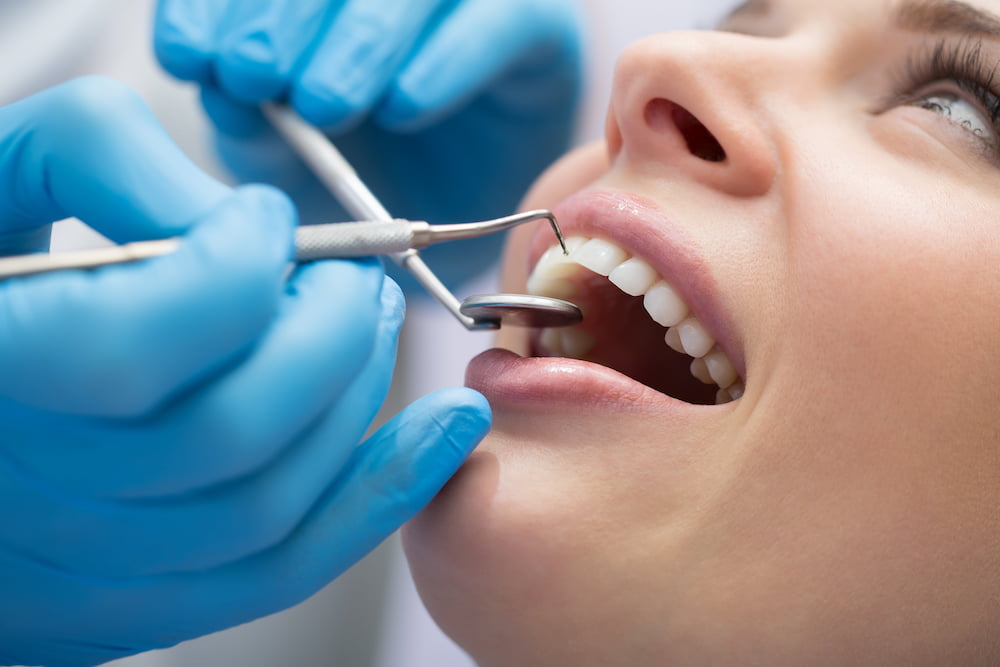
One of the most common dental procedures that you can expect during your next visit to the dentist is professional cleaning and examination. A dental cleaning is performed by a dental hygienist, who will use specialized tools to remove plaque and tartar from your teeth and gums. They will also thoroughly floss your teeth and polish them using a special paste. After the cleaning is complete, your dentist will examine your teeth for any signs of decay, gum disease, or other oral health issues.
This examination may include X-rays to get a more detailed view of your teeth and jaw. Professional cleaning and examination are essential in maintaining good oral health and preventing dental problems from developing or becoming more serious.
Your Chicago dentists may also provide advice on how to improve your oral hygiene practices at home to help maintain a healthy smile.
X-rays and Other Diagnostic Tests

X-rays and other diagnostic tests are common procedures during your visit to the dentist. These tests help your dentist evaluate your oral health beyond what is visible to the naked eye. X-rays can detect cavities, gum disease, impacted teeth, and other dental issues that are not visible during a visual examination.
X-rays also help your dentist to identify potential problems even before they become evident. Apart from X-rays, dentists may use other diagnostic tests, such as CT scans, MRI scans or oral cancer screenings, depending on the specific needs of their patients.
These tests improve the accuracy of diagnosis, enabling the dentist to provide an effective treatment plan tailored to your needs. During your visit, your dentist will review the images with you, discuss any findings, and answer any questions you may have.
While some patients may be concerned about radiation exposure, it’s important to note that modern dental X-ray equipment emits low radiation doses, and dentists take the necessary measures to minimize the exposure risk of their patients.
Diagnosis and Treatment Plan
One of the most important aspects of any dental visit is the diagnosis and treatment plan. During this stage, your dentist will perform a thorough examination of your teeth, gums, and mouth, and determine if there are any issues that need to be addressed.
This may include taking x-rays or other diagnostic images, conducting oral cancer screenings, and evaluating the condition of existing restorations. Based on the findings of the examination, your dentist will create a comprehensive treatment plan that addresses any issues and aims to improve your overall oral health.
This plan may include a combination of preventative measures, such as cleanings and check-ups, as well as restorative treatments, like fillings or crowns.
Your dental team will work with you to ensure that you understand the proposed course of action and answer any questions you may have about the proposed treatment plan. By working together, you can help to ensure that you receive the best possible care and achieve optimal oral health.
Treatment and Procedures
Treatment and procedures are common at dental appointments and are tailored to the specific needs of each patient. One common dental procedure is a dental filling. This procedure is used to treat cavities and involves removing the decayed part of the tooth and filling it in with a material such as porcelain, amalgam, or composite resin.
Crowns, also known as caps, are another common procedure used to restore the shape and function of a damaged tooth. This procedure involves removing the damaged portion of the tooth and restoring it with a custom-made crown.
Additionally, root canals are a procedure used to treat infected or damaged tooth pulp. This involves removing the damaged tissue and cleaning the inside of the tooth, then filling it in and restoring the tooth with a crown or filling.
Finally, teeth whitening is a popular cosmetic procedure used to brighten teeth and remove stains. This can be done in-office or with at-home kits prescribed by a dentist. Your dentist will discuss these and other procedures with you and recommend the best course of treatment for your individual needs.
Aftercare Instructions and Follow-up Visits
If you check out this dentist in Saratoga Springs, they’ll tell you that the majority of failed treatments happen because the patients did not follow after-care instructions. Aftercare instructions are an essential component of any dental procedure. Your dentist will provide you with instructions tailored to your specific treatment to ensure that you achieve optimal healing and prevent any potential complications.
This may include tips on how to care for the affected area, any necessary medication to take, and dietary restrictions to follow. It is important to follow these instructions closely to ensure a smooth recovery and ensure the success of your procedure.
Additionally, your dentist will likely schedule a follow-up visit to monitor your progress and address any concerns you may have. These visits are critical to ensuring the long-term health of your teeth and gums, and catching any issues early on before they become more serious.
By adhering to aftercare instructions and attending follow-up visits, you can take an active role in maintaining your oral health and achieving a beautiful, healthy smile.
Read Also
- Managing Shock Loss After a Hair Transplant: The Financial and Clinical Imperative of Post-Op Care
 In the rapidly evolving landscape of private healthcare, executive leadership within cosmetic and restorative surgery clinics faces a dual challenge: maintaining strict clinical standards while maximizing patient lifetime value (LTV) and brand advocacy. As the global medical tourism and elective procedure markets expand, clinical outcome quality alone is no longer the sole differentiator for premium… Read more: Managing Shock Loss After a Hair Transplant: The Financial and Clinical Imperative of Post-Op Care
 - Transform Your Skin Health: Premier Gluta IV Therapy in DubaiThis comprehensive guide explores how modern intravenous wellness treatments can help revitalize your complexion, boost immune function, and support overall cellular health. By incorporating modern IV therapy Dubai services into a routine health regimen, individuals can achieve direct nutrient absorption for optimal results. Selecting a customized gluta IV drip Dubai treatment provides targeted antioxidant defense,… Read more: Transform Your Skin Health: Premier Gluta IV Therapy in Dubai
- The Evolution of Dental Prosthetics: Innovation in Oral HealthDental replacements have improved a lot over time. Smiling, chewing, and speaking depend on having healthy teeth. When teeth break or go missing, today’s options can restore both function and confidence. Modern techniques make these replacements feel and look completely natural. Ancient Roots Of Tooth Replacement People have tried to replace lost teeth for thousands… Read more: The Evolution of Dental Prosthetics: Innovation in Oral Health
- How to Support a Loved One with Mental Health IssuesWatching someone you care about struggle with their mental health is difficult: you might feel helpless, confused, or even frustrated. You cannot cure a mental health condition with a simple conversation or a hug, no matter how much you wish you could. Your support can be the difference between them feeling isolated and feeling understood.… Read more: How to Support a Loved One with Mental Health Issues
- Understanding Endometriosis: Causes, Symptoms, and Treatment OptionsMillions of people around the world deal with pelvic health problems. Many spend years looking for answers about ongoing pain or fertility issues. Understanding your health can help you speak up and get better care. Managing pelvic pain starts with knowing the causes and treatment options. Learning about symptoms also helps you decide when to… Read more: Understanding Endometriosis: Causes, Symptoms, and Treatment Options