If you are used to an active lifestyle, the limitation of pregnancy are unlikely to agree with you. Still, as long as you consult your doctor and make sure it’s okay to be active, we have a solution for you! Here’s a guide to the best types of exercises for pregnant women for you to choose from.
Walking for exercise during pregnancy
One of the best types of exercises for pregnant women is walking. It improves circulation, which helps bring more oxygen and nutrients to the baby. Walking can also strengthen the heart, which is important for a healthy pregnancy. In addition, it can help with weight management, as it burns calories and can prevent excess weight gain.
Walking is a low-impact exercise, so it’s gentle on the joints and doesn’t put too much stress on the body. It’s also easy to incorporate into a daily routine. Whether it’s a short walk around the block or a longer walk in the park, it’s effective. Overall, walking during pregnancy is a safe and effective way to stay active and maintain a healthy pregnancy.
Prenatal yoga as an exercise for pregnant women
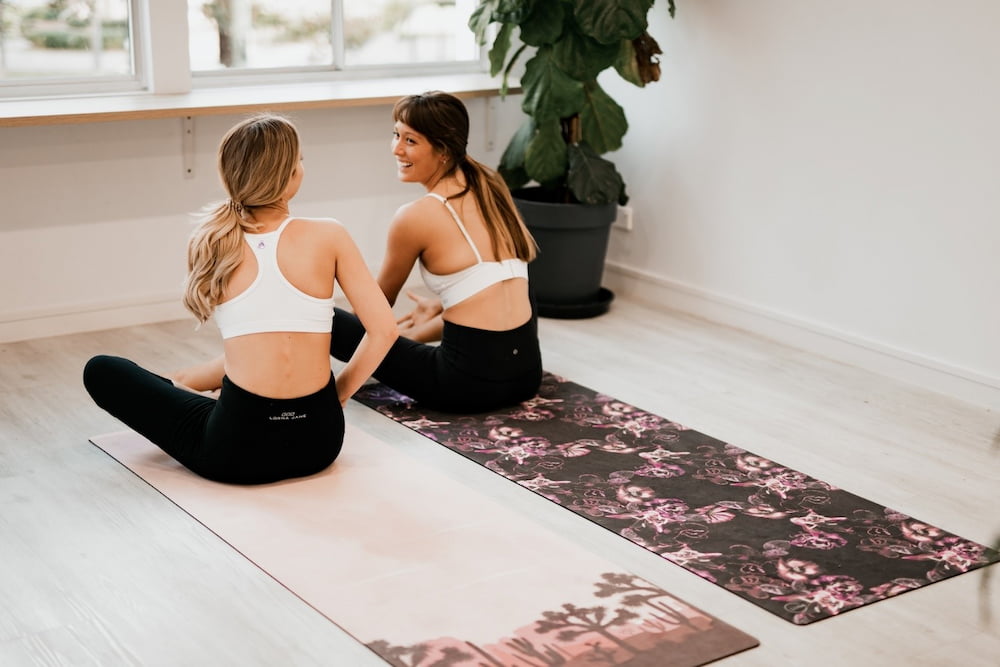
Another of the best types of exercises for pregnant women is prenatal yoga. Among the main benefits is improved flexibility, which can help prepare the body for childbirth. Prenatal yoga can also increase strength and balance, which can be helpful during pregnancy and after delivery. Additionally, it can be a great way to relax and reduce stress, as it includes breathing exercises and meditation.
Prenatal yoga classes are usually designed with the safety of both the mother and the baby in mind. And the poses are modified to accommodate a growing belly. Since yoga is even used as therapy in hospitals, you can be sure it won’t over-stress your body.
Swimming during a pregnancy
Swimming is a low-impact exercise that can offer many benefits for pregnant women. It can help with joint pain, as the water supports the weight of the body and reduces stress on the joints. Swimming can also reduce swelling in the feet and ankles, which is common during pregnancy. Additionally, it’s a great way to improve cardiovascular fitness, as it works many muscles in the body at once.
Swimming can also be a relaxing and enjoyable way to stay active during pregnancy. However, the personal training experts from DubaiPT note thatt’s important that pregnant women should avoid swimming in hot tubs or pools that are too hot as this can be harmful to the baby.
Using pelvic floor exercises as your workout
Pelvic floor exercises, also known as Kegels, are also numbered among the best types of exercises for pregnant women. An important benefit is improved bladder control, which is important as the baby grows and puts pressure on the bladder.
Pelvic floor exercises can also help prepare the body for childbirth by strengthening the muscles that support the pelvic organs. This can make the pushing stage of labor easier and reduce the risk of tearing.
Additionally, pelvic floor exercises can prevent postpartum complications, such as urinary incontinence or prolapse. These can occur when the pelvic floor muscles are weakened after childbirth. Kegels are easy and can be done anywhere, without anyone noticing or the warm-up that exercises like running require.
Stationary cycling during pregnancy
Stationary cycling is safe to do during a pregnancy. It improves cardiovascular fitness and also strengthens leg muscles, which can help support the added weight of the baby. It’s important to adjust the bike seat and handlebars to accommodate a growing belly and maintain proper posture.
Pregnant women should also avoid exercising in extreme heat or humidity, and stay properly hydrated. Stationary cycling can be a safe and effective way to stay active during pregnancy. And you can do it in the comfort of your own home or at a gym.
The benefits of modified strength training
Strength training can be modified by using lighter weights and focusing on bodyweight exercises. Of course, avoiding exercises that put too much strain on the abdomen is also important. Strength training can help with posture, as it can strengthen the back and core muscles.
Additionally, it helps prepare your body for childbirth by strengthening the muscles used during labor and delivery. Strength training also prevents muscle loss which occurs during pregnancy. It’s important to note that pregnant women should avoid certain exercises. Such as those that involve lying on the back or those that require jumping or sudden movements.
Choosing to exercise through low-impact aerobics
Low-impact aerobics is another great way to improve cardiovascular fitness. And low-impact aerobics can also strengthen muscles, including those in the legs, arms, and core. Low-impact aerobics lets you work out in a group setting or at home with a workout video, depending on your preferences.
It’s important to wear clothes you’re comfortable in and get properly supportive shoes. And, of course, to stay hydrated throughout the workout. Pregnant women should also avoid exercises that involve sudden movements or twisting, and listen to their bodies if they need to take a break.
Dancing as both hobby and exercise
The final of the best types of exercises for pregnant women is dancing! Since it raises the heart rate and gets the blood flowing, it’s yet another way to improve cardiovascular fitness. Dancing can also strengthen muscles, including those in the legs and core. Additionally, it’s a really fun way to exercise with your partner. Dancing reduces stress and improves your mood, which can be beneficial for both the mother and the baby.
Do remember, however, that it’s important to choose music and dance styles that are appropriate for pregnancy. And to wear comfortable clothing and supportive shoes that don’t hurt you. Of course, as mentioned already, pregnant women should avoid sudden movements or jumping. And you should always listen to your body if you need to take a break!
Picking from the best types of exercises for pregnant women
Now that you’ve gone through our guide to the best types of exercises for pregnant women, you can choose the ones you like! Just remember that too much exercise is always harmful. And that you should consult your doctor before you actually pick up any of the exercises! Your own body will have a serious impact on what’s good or bad for you, so their professional opinion will be invaluable.
Read Also
- Managing Shock Loss After a Hair Transplant: The Financial and Clinical Imperative of Post-Op Care
 In the rapidly evolving landscape of private healthcare, executive leadership within cosmetic and restorative surgery clinics faces a dual challenge: maintaining strict clinical standards while maximizing patient lifetime value (LTV) and brand advocacy. As the global medical tourism and elective procedure markets expand, clinical outcome quality alone is no longer the sole differentiator for premium… Read more: Managing Shock Loss After a Hair Transplant: The Financial and Clinical Imperative of Post-Op Care
 - Transform Your Skin Health: Premier Gluta IV Therapy in DubaiThis comprehensive guide explores how modern intravenous wellness treatments can help revitalize your complexion, boost immune function, and support overall cellular health. By incorporating modern IV therapy Dubai services into a routine health regimen, individuals can achieve direct nutrient absorption for optimal results. Selecting a customized gluta IV drip Dubai treatment provides targeted antioxidant defense,… Read more: Transform Your Skin Health: Premier Gluta IV Therapy in Dubai
- The Evolution of Dental Prosthetics: Innovation in Oral HealthDental replacements have improved a lot over time. Smiling, chewing, and speaking depend on having healthy teeth. When teeth break or go missing, today’s options can restore both function and confidence. Modern techniques make these replacements feel and look completely natural. Ancient Roots Of Tooth Replacement People have tried to replace lost teeth for thousands… Read more: The Evolution of Dental Prosthetics: Innovation in Oral Health
- How to Support a Loved One with Mental Health IssuesWatching someone you care about struggle with their mental health is difficult: you might feel helpless, confused, or even frustrated. You cannot cure a mental health condition with a simple conversation or a hug, no matter how much you wish you could. Your support can be the difference between them feeling isolated and feeling understood.… Read more: How to Support a Loved One with Mental Health Issues
- Understanding Endometriosis: Causes, Symptoms, and Treatment OptionsMillions of people around the world deal with pelvic health problems. Many spend years looking for answers about ongoing pain or fertility issues. Understanding your health can help you speak up and get better care. Managing pelvic pain starts with knowing the causes and treatment options. Learning about symptoms also helps you decide when to… Read more: Understanding Endometriosis: Causes, Symptoms, and Treatment Options
- Choosing the Right Treadmill for Your Body and Fitness GoalsFinding a quality home treadmill means looking closely at your height, weight, and training routine. Standard gym equipment rarely offers a one-size-fits-all experience for every unique body shape. Shopping with specific physical dimensions in mind helps you pick a machine that supports long-term health. Selecting the right unit requires balancing horsepower, frame dimensions, and deck… Read more: Choosing the Right Treadmill for Your Body and Fitness Goals