If you are used to an active lifestyle, the limitation of pregnancy are unlikely to agree with you. Still, as long as you consult your doctor and make sure it’s okay to be active, we have a solution for you! Here’s a guide to the best types of exercises for pregnant women for you to choose from.
Walking for exercise during pregnancy
One of the best types of exercises for pregnant women is walking. It improves circulation, which helps bring more oxygen and nutrients to the baby. Walking can also strengthen the heart, which is important for a healthy pregnancy. In addition, it can help with weight management, as it burns calories and can prevent excess weight gain.
Walking is a low-impact exercise, so it’s gentle on the joints and doesn’t put too much stress on the body. It’s also easy to incorporate into a daily routine. Whether it’s a short walk around the block or a longer walk in the park, it’s effective. Overall, walking during pregnancy is a safe and effective way to stay active and maintain a healthy pregnancy.
Prenatal yoga as an exercise for pregnant women
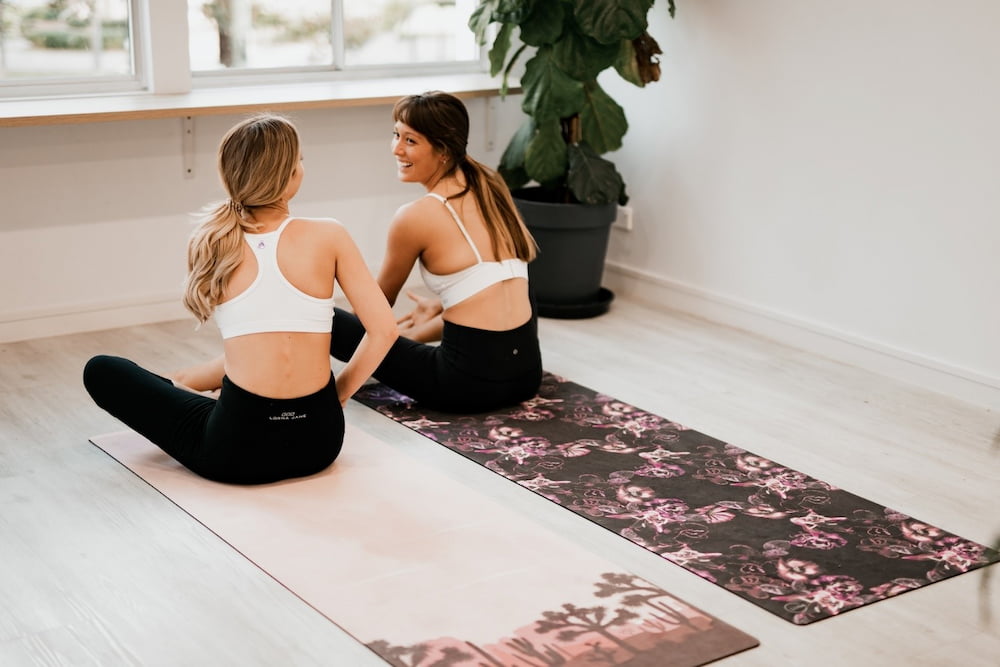
Another of the best types of exercises for pregnant women is prenatal yoga. Among the main benefits is improved flexibility, which can help prepare the body for childbirth. Prenatal yoga can also increase strength and balance, which can be helpful during pregnancy and after delivery. Additionally, it can be a great way to relax and reduce stress, as it includes breathing exercises and meditation.
Prenatal yoga classes are usually designed with the safety of both the mother and the baby in mind. And the poses are modified to accommodate a growing belly. Since yoga is even used as therapy in hospitals, you can be sure it won’t over-stress your body.
Swimming during a pregnancy
Swimming is a low-impact exercise that can offer many benefits for pregnant women. It can help with joint pain, as the water supports the weight of the body and reduces stress on the joints. Swimming can also reduce swelling in the feet and ankles, which is common during pregnancy. Additionally, it’s a great way to improve cardiovascular fitness, as it works many muscles in the body at once.
Swimming can also be a relaxing and enjoyable way to stay active during pregnancy. However, the personal training experts from DubaiPT note thatt’s important that pregnant women should avoid swimming in hot tubs or pools that are too hot as this can be harmful to the baby.
Using pelvic floor exercises as your workout
Pelvic floor exercises, also known as Kegels, are also numbered among the best types of exercises for pregnant women. An important benefit is improved bladder control, which is important as the baby grows and puts pressure on the bladder.
Pelvic floor exercises can also help prepare the body for childbirth by strengthening the muscles that support the pelvic organs. This can make the pushing stage of labor easier and reduce the risk of tearing.
Additionally, pelvic floor exercises can prevent postpartum complications, such as urinary incontinence or prolapse. These can occur when the pelvic floor muscles are weakened after childbirth. Kegels are easy and can be done anywhere, without anyone noticing or the warm-up that exercises like running require.
Stationary cycling during pregnancy
Stationary cycling is safe to do during a pregnancy. It improves cardiovascular fitness and also strengthens leg muscles, which can help support the added weight of the baby. It’s important to adjust the bike seat and handlebars to accommodate a growing belly and maintain proper posture.
Pregnant women should also avoid exercising in extreme heat or humidity, and stay properly hydrated. Stationary cycling can be a safe and effective way to stay active during pregnancy. And you can do it in the comfort of your own home or at a gym.
The benefits of modified strength training
Strength training can be modified by using lighter weights and focusing on bodyweight exercises. Of course, avoiding exercises that put too much strain on the abdomen is also important. Strength training can help with posture, as it can strengthen the back and core muscles.
Additionally, it helps prepare your body for childbirth by strengthening the muscles used during labor and delivery. Strength training also prevents muscle loss which occurs during pregnancy. It’s important to note that pregnant women should avoid certain exercises. Such as those that involve lying on the back or those that require jumping or sudden movements.
Choosing to exercise through low-impact aerobics
Low-impact aerobics is another great way to improve cardiovascular fitness. And low-impact aerobics can also strengthen muscles, including those in the legs, arms, and core. Low-impact aerobics lets you work out in a group setting or at home with a workout video, depending on your preferences.
It’s important to wear clothes you’re comfortable in and get properly supportive shoes. And, of course, to stay hydrated throughout the workout. Pregnant women should also avoid exercises that involve sudden movements or twisting, and listen to their bodies if they need to take a break.
Dancing as both hobby and exercise
The final of the best types of exercises for pregnant women is dancing! Since it raises the heart rate and gets the blood flowing, it’s yet another way to improve cardiovascular fitness. Dancing can also strengthen muscles, including those in the legs and core. Additionally, it’s a really fun way to exercise with your partner. Dancing reduces stress and improves your mood, which can be beneficial for both the mother and the baby.
Do remember, however, that it’s important to choose music and dance styles that are appropriate for pregnancy. And to wear comfortable clothing and supportive shoes that don’t hurt you. Of course, as mentioned already, pregnant women should avoid sudden movements or jumping. And you should always listen to your body if you need to take a break!
Picking from the best types of exercises for pregnant women
Now that you’ve gone through our guide to the best types of exercises for pregnant women, you can choose the ones you like! Just remember that too much exercise is always harmful. And that you should consult your doctor before you actually pick up any of the exercises! Your own body will have a serious impact on what’s good or bad for you, so their professional opinion will be invaluable.
Read Also
- Where to Find Reliable Mental Health Support for Teens
 Have you noticed changes in your teen’s mood, sleep, or behavior that leave you worried? Growing up can bring stress from school, friends, family, and new demands. Some teens may struggle to share their feelings or ask for help, even when they need support. Finding the right mental health support for teens can help them… Read more: Where to Find Reliable Mental Health Support for Teens
 - Top Trends Shaping the Future of Mental Health CareMental health care is moving fast to meet daily human needs. People want direct care that fits modern life. Clinics respond by creating flexible options that make healing easier to reach. Providers look past rigid habits to give people solid care. From smart tools to body wellness, these changes help people find relief when life… Read more: Top Trends Shaping the Future of Mental Health Care
- Full-Arch Dental Tourism: Why UK Patients With Severe Bone Loss Are Looking AbroadDental implants have become one of the fastest-growing segments of private dentistry. Within that market, one patient group behaves very differently from the rest: people who have been told they do not have enough upper jawbone for conventional implants. For these patients, the choice is rarely between one clinic and another. It is between a… Read more: Full-Arch Dental Tourism: Why UK Patients With Severe Bone Loss Are Looking Abroad
- Levels of Mental Health Care and When to Seek SupportMental health care can range from occasional outpatient appointments to 24-hour hospital treatment. The appropriate level depends on safety, symptom severity, daily functioning, medical needs, available support, treatment history and personal preferences. A licensed clinician should assess these factors rather than relying on a symptom list alone. Need help now? In the United States, call… Read more: Levels of Mental Health Care and When to Seek Support
- How to Choose a Shilajit Brand Based on the ResearchIn a randomized trial published in the Journal of the International Society of Sports Nutrition in 2019, 63 active men took 250 mg of standardized shilajit, 500 mg, or a placebo every day for eight weeks, and the benefit for strength retention after a fatiguing workout appeared only at 500 mg. For anyone choosing a… Read more: How to Choose a Shilajit Brand Based on the Research
- How to Incorporate Relaxation into Your Busy ScheduleFinding balance when you have a packed daily agenda often feels out of reach. Between work duties, family obligations, and personal projects, personal rest usually gets pushed to the bottom of the list. Small, intentional shifts in daily habits can help restore calm without requiring hours of extra free time. Continue reading to discover everything… Read more: How to Incorporate Relaxation into Your Busy Schedule