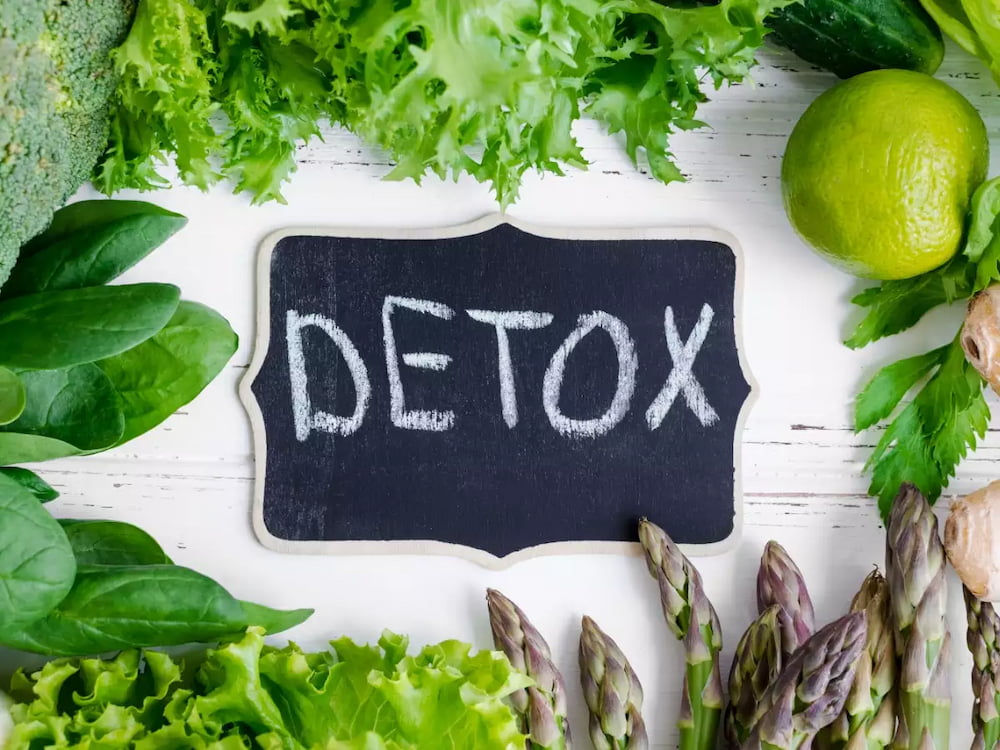
Detoxing has become a popular trend in recent years, as people seek to rid their bodies of toxins and impurities. Detoxing can take many forms, from juice cleanses to fasting to eliminating certain foods from your diet. However, it’s important to approach detoxing with caution, as not all methods are safe or effective. In this article, we’ll explore some of the best ways to detox safely and effectively.
1- Drink plenty of water
Water is essential for flushing toxins out of the body, so it’s important to drink plenty of it when you’re detoxing. Aim for at least eight glasses of water a day, and consider adding lemon or cucumber to your water for a refreshing and detoxifying boost. You can also drink herbal teas, such as green tea or dandelion tea, which can help support the liver and aid in detoxification.
2- Eat a healthy, balanced diet
While some alcohol detox treatments call for extreme fasting or elimination diets, it’s important to approach detoxing from a more balanced perspective. Focus on eating a healthy, balanced diet that includes plenty of fruits, vegetables, whole grains, and lean proteins. Try to avoid processed foods, sugary snacks, and alcohol, as these can all contribute to toxin buildup in the body.
3- Exercise regularly
Exercise is essential for overall health, but it can also help support detoxification by boosting circulation and promoting sweat. Aim for at least 30 minutes of moderate exercise each day, such as brisk walking, cycling, or swimming. You can also try yoga or Pilates, which can help improve flexibility and promote relaxation.
4- Get plenty of rest
Sleep is essential for the body to repair and regenerate, so it’s important to get plenty of rest when you’re detoxing. Aim for at least seven to eight hours of sleep each night, and consider taking short naps during the day if you need them. Try to establish a regular sleep routine, going to bed and waking up at the same time each day, to help improve the quality of your sleep.
5- Try a juice cleanse
While juice cleanses have become somewhat controversial in recent years, they can be an effective way to kickstart a detox plan. During a juice cleanse, you consume only fresh fruit and vegetable juices for several days, giving your digestive system a break and allowing your body to focus on eliminating toxins. However, it’s important to approach juice cleanses with caution, as they can be low in protein and other essential nutrients. Talk to a healthcare professional before starting a juice cleanse, and consider incorporating protein-rich foods such as nuts and seeds into your cleanse to help support your body’s needs.
6- Take supplements
Certain supplements can help support detoxification, such as milk thistle, which can help support liver function, or probiotics, which can help improve gut health. However, it’s important to talk to a healthcare professional before starting any new supplements, as they can interact with other medications or have side effects.
7- Practice stress reduction techniques
Stress can contribute to toxin buildup in the body, so it’s important to practice stress reduction techniques when you’re detoxing. Try deep breathing exercises, meditation, or yoga to help reduce stress and promote relaxation. You can also consider getting a massage or trying acupuncture, which can help improve circulation and support detoxification.
8- Consider infrared sauna therapy
Infrared sauna therapy can help promote detoxification by increasing circulation and promoting sweat. During an infrared sauna session, you sit in a sauna that uses infrared light to heat your body, promoting sweat and toxin elimination. However, it’s important to approach infrared sauna therapy with caution, as it can be dehydrating and can exacerbate certain medical conditions.
Read Also
- What Makes Permanent Tooth Replacement A Life-Changing Option?
 Missing teeth can cause serious discomfort and lower your self-esteem. Many people struggle with everyday tasks like eating meals and speaking clearly to friends. Traditional dentures offer a quick fix but often slip or feel completely unnatural. A modern approach provides a secure fit that feels exactly like real teeth – giving you true peace… Read more: What Makes Permanent Tooth Replacement A Life-Changing Option?
 - Where to Find Reliable Mental Health Support for TeensHave you noticed changes in your teen’s mood, sleep, or behavior that leave you worried? Growing up can bring stress from school, friends, family, and new demands. Some teens may struggle to share their feelings or ask for help, even when they need support. Finding the right mental health support for teens can help them… Read more: Where to Find Reliable Mental Health Support for Teens
- Top Trends Shaping the Future of Mental Health CareMental health care is moving fast to meet daily human needs. People want direct care that fits modern life. Clinics respond by creating flexible options that make healing easier to reach. Providers look past rigid habits to give people solid care. From smart tools to body wellness, these changes help people find relief when life… Read more: Top Trends Shaping the Future of Mental Health Care
- Full-Arch Dental Tourism: Why UK Patients With Severe Bone Loss Are Looking AbroadDental implants have become one of the fastest-growing segments of private dentistry. Within that market, one patient group behaves very differently from the rest: people who have been told they do not have enough upper jawbone for conventional implants. For these patients, the choice is rarely between one clinic and another. It is between a… Read more: Full-Arch Dental Tourism: Why UK Patients With Severe Bone Loss Are Looking Abroad
- Levels of Mental Health Care and When to Seek SupportMental health care can range from occasional outpatient appointments to 24-hour hospital treatment. The appropriate level depends on safety, symptom severity, daily functioning, medical needs, available support, treatment history and personal preferences. A licensed clinician should assess these factors rather than relying on a symptom list alone. Need help now? In the United States, call… Read more: Levels of Mental Health Care and When to Seek Support