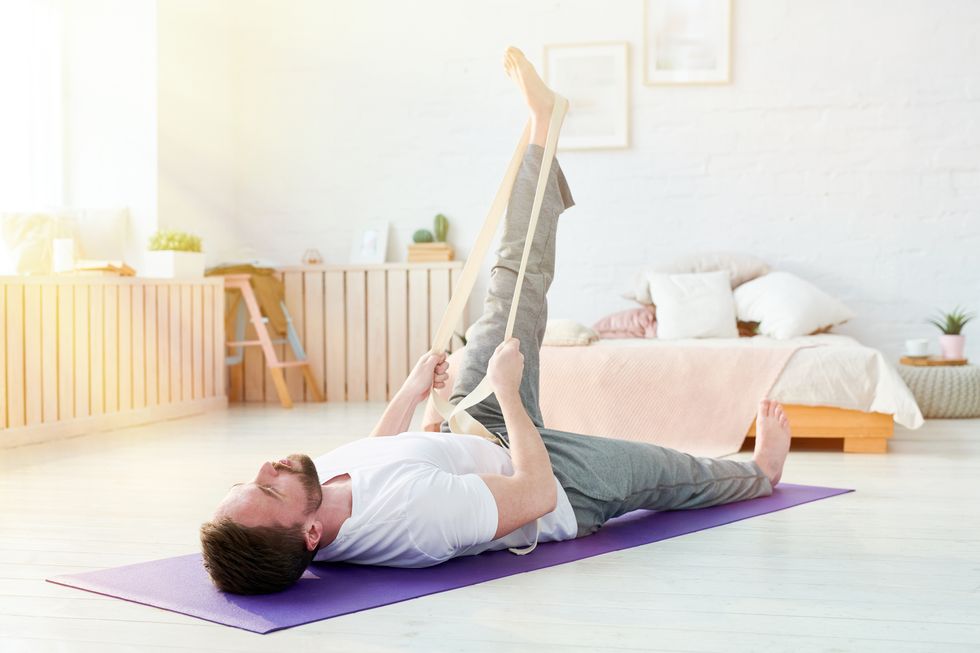
Working out regularly is very important to maintain a healthy lifestyle. But while many people workout, they dont get in the right stretches.
Prepping your body with stretches before you start any activity is essential. This helps to increase the body’s temperature, which increases blood flow throughout the body, causing the body cells and tissues to receive adequate amounts of oxygen. At the same time, stretching during post-workout helps reduce the muscle stiffness and tension that might have been caused due to the exercises performed.
So, What are the Different Types of Stretches?
Stretching before and after a workout signals the body to be prepared for the start or end of the exercise. To get your body ready, there are different kinds of stretches that you can perform:
Dynamic Stretches
This stretch is done before a workout. In this type of stretch, active movements are done without holding a position. This increases the range of motion and stretches your muscles. Examples include hip rotation circles or arm circles.
Static Stretches
Static stretch is done after a workout and requires holding a particular position for 10 – 20 seconds. It aims to make you feel comfortable post a strenuous workout. Examples include hamstring stretch or calf stretch.
Ballistic Stretches
Ballistic stretching involves bouncing movement to push your muscles beyond the normal range of motion. For example, athletes, dancers, football players, etc., use ballistic stretching, like swinging legs before performing to jump higher or dance with more energy.
Benefits of Pre-workout Stretch
Getting in a good workout on a 20-inch stride elliptical or an incline elliptical is a great idea, but stretching 5 to 10 minutes before a workout holds several specific advantages.
Increases blood flow
The first thing stretching does is increase your blood flow. Increased blood flow allows your muscles to receive better oxygen and helps eliminate the metabolic waste produced during a workout. As a result, the prepared muscles are up and ready for the oncoming strenuous activity.
Increases flexibility and range of motion
Correct stretches help loosen up the muscles and tendons in the body. Thus increasing the body’s flexibility and giving you a wide range of motion. This allows you to perform your workouts better with reduced chances of injuries.
Improves performance
As understood from the above points, stretching before a workout helps to increase blood flow, flexibility, and range of motion. All these, in turn, help to improve the overall workout performance, as the warm-up reduces muscle stiffness and allows you to perform any pulls or pain.
Benefits of Post-Workout Stretch
Imagine you got a great workout in a long stride elliptical. Your mind and body tell you to lie down or sit down, but wait. Do not do that! Even though studies have shown that exercising helps to increase serotonin levels which helps to calm your mood and reduce overall stress, it is best to allocate some time for stretching post your workout to ensure your body relaxes too.
Reduces risk of injury and pain
Muscles become tight after they have been worked out. If they stay that way, you are prone to have an injury. With stretching post-workouts, the flexibility of the muscles becomes better as they loosen up, thus reducing your chance of injury and pain.
Mind and body relaxation
It’s helpful if the body and the mind cool down gradually after any workout, as your mind is under pressure by focusing on the activity. This is exactly what stretching post workout does.
Lactic acid elimination
Lactic acid is produced in your body when you perform a strenuous activity like a power-packed workout. The deposition of this lactic acid in your muscles and joints causes you to experience a burning sensation. This can also lead to muscle ache and make you feel tired. Stretching after a workout helps your body eliminate the accumulation of lactic acid, thus relaxing your muscles.
Conclusion
If you are working out daily, you might know the benefits and have noticed how you feel after a good stretch. You can consult an expert for which types of stretches are suitable for you and your workout routine.
Read Also
- Where to Find Reliable Mental Health Support for Teens
 Have you noticed changes in your teen’s mood, sleep, or behavior that leave you worried? Growing up can bring stress from school, friends, family, and new demands. Some teens may struggle to share their feelings or ask for help, even when they need support. Finding the right mental health support for teens can help them… Read more: Where to Find Reliable Mental Health Support for Teens
 - Top Trends Shaping the Future of Mental Health CareMental health care is moving fast to meet daily human needs. People want direct care that fits modern life. Clinics respond by creating flexible options that make healing easier to reach. Providers look past rigid habits to give people solid care. From smart tools to body wellness, these changes help people find relief when life… Read more: Top Trends Shaping the Future of Mental Health Care
- Full-Arch Dental Tourism: Why UK Patients With Severe Bone Loss Are Looking AbroadDental implants have become one of the fastest-growing segments of private dentistry. Within that market, one patient group behaves very differently from the rest: people who have been told they do not have enough upper jawbone for conventional implants. For these patients, the choice is rarely between one clinic and another. It is between a… Read more: Full-Arch Dental Tourism: Why UK Patients With Severe Bone Loss Are Looking Abroad
- Levels of Mental Health Care and When to Seek SupportMental health care can range from occasional outpatient appointments to 24-hour hospital treatment. The appropriate level depends on safety, symptom severity, daily functioning, medical needs, available support, treatment history and personal preferences. A licensed clinician should assess these factors rather than relying on a symptom list alone. Need help now? In the United States, call… Read more: Levels of Mental Health Care and When to Seek Support
- How to Choose a Shilajit Brand Based on the ResearchIn a randomized trial published in the Journal of the International Society of Sports Nutrition in 2019, 63 active men took 250 mg of standardized shilajit, 500 mg, or a placebo every day for eight weeks, and the benefit for strength retention after a fatiguing workout appeared only at 500 mg. For anyone choosing a… Read more: How to Choose a Shilajit Brand Based on the Research
- How to Incorporate Relaxation into Your Busy ScheduleFinding balance when you have a packed daily agenda often feels out of reach. Between work duties, family obligations, and personal projects, personal rest usually gets pushed to the bottom of the list. Small, intentional shifts in daily habits can help restore calm without requiring hours of extra free time. Continue reading to discover everything… Read more: How to Incorporate Relaxation into Your Busy Schedule