If you’re a woman, there’s a big chance that you’ve found yourself doubled over with menstrual cramps. You’ve probably reached for the nearest bottle of painkillers.
But what if there’s something else you can do? What if there’s a natural, drug-free remedy that might just be as effective?
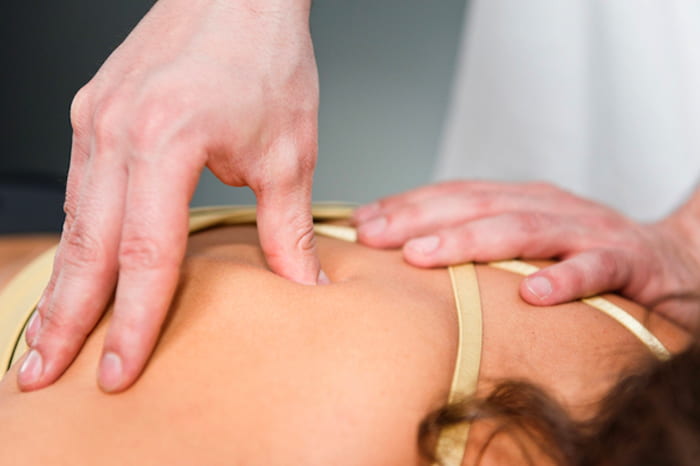
It’s called pressure point therapy. This method, deeply rooted in traditional medicine, could be the relief you’ve been searching for. Let’s explore how you can harness this healing power of pressure points for menstrual cramps.
Spleen 6
Located on the inner side of your leg, about four fingers above your ankle bone, the Spleen 6 point is known to provide menstrual cramp relief. Applying pressure to this point can help regulate blood flow and ease cramping.
You can use your fingers to massage this point in a circular motion for a few minutes. You can also try using acupressure tools like a wand or roller.
Lower Back
The lower back is another common area where women experience pain during their period. By applying pressure to the “gates of origin” point, located on each side of the spine, you can alleviate menstrual cramps.
This point is also beneficial for addressing lower back pain and urinary issues. Gently massage this area with your fingertips or use a tennis ball to apply pressure while lying on the floor.
Abdomen
The abdomen is home to several healing pressure points that can help relieve menstrual cramps. The “ocean of blood” point is located about four finger widths below the belly button. It regulates menstrual flow and reduces pain.
You can also try pressing on the “central cavity” point, located in the center of your abdomen. This point can help alleviate cramps and bloating associated with your period.
Feet
The “great rushing” point is located in the webbing between your big toe and second toe. It can stimulate energy flow and alleviate menstrual pain.
You can also try massaging the “three yin meeting” point, found on the inside of your ankle bone. This point can help regulate hormones and reduce cramping.
Hands
The “Union Valley” point is in the webbing between your thumb and index finger. It reduces stress and pain, including menstrual cramps.
If you feel as though this info on ibuprofen is not enough to help you and you need natural remedies, locate this pressure point. Apply firm, circular pressure to this point for several minutes can help alleviate discomfort.
Upper Leg
The “Three Mile Point” is located about four fingers width below your kneecap. This point is believed to boost energy, strengthen your immune system, and offer relief from menstrual pain. Using your fingers, apply firm pressure to this point and massage it for a few minutes.
Chest
The “Sea of Tranquility” point is in the center of the breastbone. It reduces emotional stress, anxiety, and pain associated with menstruation. Applying gentle pressure to this point and massaging in a circular motion can bring about a sense of calm and pain relief.
Unlock the Healing Power of These Pressure Points for Menstrual Cramps
The power to alleviate menstrual pain might just be at your fingertips, literally. By understanding and utilizing the healing potential of these pressure points, you can take control of your menstrual cramps and find natural, drug-free relief.
So the next time you feel the onset of menstrual pain, skip the medicine cabinet and give pressure point therapy a try.
Did you find this article about the pressure points for menstrual cramps helpful? If so, check out the rest of our site for more.
Did you find this article helpful? You can check out our website for more awesome content like this.
Read Also
- Top Trends Shaping the Future of Mental Health Care
 Mental health care is moving fast to meet daily human needs. People want direct care that fits modern life. Clinics respond by creating flexible options that make healing easier to reach. Providers look past rigid habits to give people solid care. From smart tools to body wellness, these changes help people find relief when life… Read more: Top Trends Shaping the Future of Mental Health Care
 - Full-Arch Dental Tourism: Why UK Patients With Severe Bone Loss Are Looking AbroadDental implants have become one of the fastest-growing segments of private dentistry. Within that market, one patient group behaves very differently from the rest: people who have been told they do not have enough upper jawbone for conventional implants. For these patients, the choice is rarely between one clinic and another. It is between a… Read more: Full-Arch Dental Tourism: Why UK Patients With Severe Bone Loss Are Looking Abroad
- Levels of Mental Health Care and When to Seek SupportMental health care can range from occasional outpatient appointments to 24-hour hospital treatment. The appropriate level depends on safety, symptom severity, daily functioning, medical needs, available support, treatment history and personal preferences. A licensed clinician should assess these factors rather than relying on a symptom list alone. Need help now? In the United States, call… Read more: Levels of Mental Health Care and When to Seek Support
- How to Choose a Shilajit Brand Based on the ResearchIn a randomized trial published in the Journal of the International Society of Sports Nutrition in 2019, 63 active men took 250 mg of standardized shilajit, 500 mg, or a placebo every day for eight weeks, and the benefit for strength retention after a fatiguing workout appeared only at 500 mg. For anyone choosing a… Read more: How to Choose a Shilajit Brand Based on the Research
- How to Incorporate Relaxation into Your Busy ScheduleFinding balance when you have a packed daily agenda often feels out of reach. Between work duties, family obligations, and personal projects, personal rest usually gets pushed to the bottom of the list. Small, intentional shifts in daily habits can help restore calm without requiring hours of extra free time. Continue reading to discover everything… Read more: How to Incorporate Relaxation into Your Busy Schedule
- Red Light Therapy for Skin and Wellness: Meet Vital Red Light TherapyModern wellness is not always about complicated treatments or long routines. Many people are now looking for simple, convenient ways to support their skin, recovery, and overall wellness at home. One technology getting more attention is red light therapy. Red light therapy uses specific wavelengths of red and near-infrared light to support the body’s natural… Read more: Red Light Therapy for Skin and Wellness: Meet Vital Red Light Therapy
- Managing Shock Loss After a Hair Transplant: The Financial and Clinical Imperative of Post-Op CareIn the rapidly evolving landscape of private healthcare, executive leadership within cosmetic and restorative surgery clinics faces a dual challenge: maintaining strict clinical standards while maximizing patient lifetime value (LTV) and brand advocacy. As the global medical tourism and elective procedure markets expand, clinical outcome quality alone is no longer the sole differentiator for premium… Read more: Managing Shock Loss After a Hair Transplant: The Financial and Clinical Imperative of Post-Op Care
- Transform Your Skin Health: Premier Gluta IV Therapy in DubaiThis comprehensive guide explores how modern intravenous wellness treatments can help revitalize your complexion, boost immune function, and support overall cellular health. By incorporating modern IV therapy Dubai services into a routine health regimen, individuals can achieve direct nutrient absorption for optimal results. Selecting a customized gluta IV drip Dubai treatment provides targeted antioxidant defense,… Read more: Transform Your Skin Health: Premier Gluta IV Therapy in Dubai
- The Evolution of Dental Prosthetics: Innovation in Oral HealthDental replacements have improved a lot over time. Smiling, chewing, and speaking depend on having healthy teeth. When teeth break or go missing, today’s options can restore both function and confidence. Modern techniques make these replacements feel and look completely natural. Ancient Roots Of Tooth Replacement People have tried to replace lost teeth for thousands… Read more: The Evolution of Dental Prosthetics: Innovation in Oral Health