If you’ve ever walked into a supplement aisle or scrolled through fitness TikTok, you’ve probably seen people talking about creatine — usually with a shaker bottle in hand and promises of better workouts and faster gains.
And honestly? They’re not wrong. Creatine is one of the most researched and effective supplements for muscle strength, recovery, and endurance. But there’s still a lot of confusion out there — especially about how much you should take, how to take it, and which form actually works best.
After years of trying different forms myself (and doing a little too much research), here’s what you really need to know about creatine dosage, hydration, and the pill vs. powder debate — plus a look at one formula that gets it right: GLDN Root Creatine + HMB.
How Much Is 5g of Creatine, Really?
You’ll often hear fitness experts talk about taking “5 grams of creatine per day.” But what does that look like?
In simple terms:
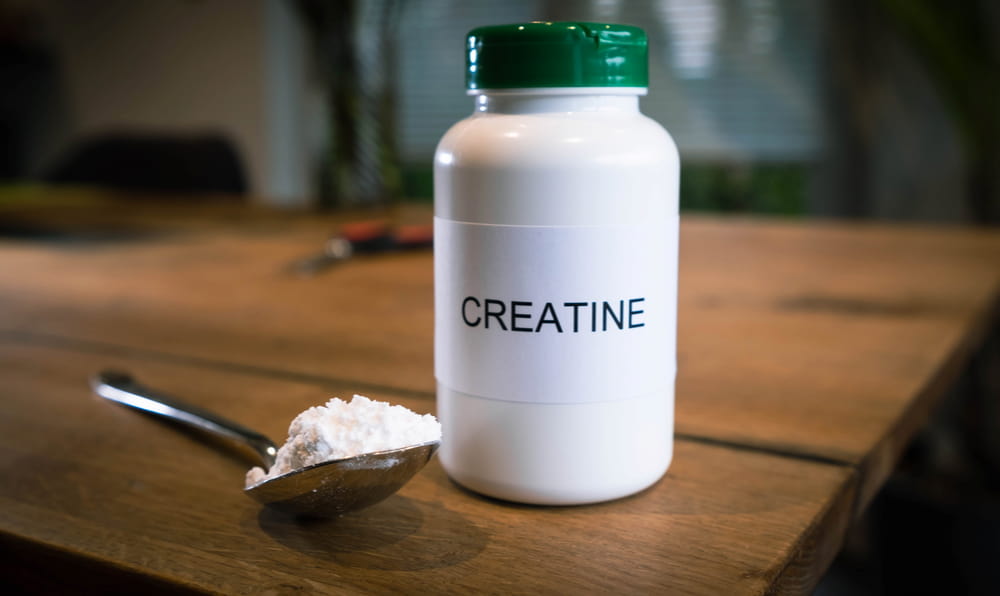
👉 5 grams of creatine = about 1 level teaspoon of most creatine monohydrate powders.
If you’re using a supplement that includes other ingredients (like HMB, Vitamin D, or electrolytes), always check the label — the serving size might vary slightly.
GLDN Root Creatine + HMB, for example, delivers 5g of creatine monohydrate per scoop, paired with HMB (a compound that reduces muscle breakdown) and Vitamins D3 and K2 to support bone and muscle function. So you’re getting the full effective dose, but with added benefits for strength and recovery.
How Much Water Should You Drink with Creatine?
Here’s where a lot of people get tripped up. Creatine works by pulling water into your muscle cells — that’s part of how it helps you lift heavier and recover faster. But that also means hydration matters.
A good rule of thumb:
✅ Drink at least 8–10 glasses (2–2.5 liters) of water per day while supplementing with creatine.
✅ If you train intensely or sweat heavily, increase that to around 3 liters.
You don’t need to chug water the moment you take creatine — what matters is staying consistently hydrated throughout the day.
Here’s why:
- Hydrated muscles perform better. Creatine draws water into muscle tissue, which supports ATP energy production.
- It prevents “creatine bloat.” Staying hydrated helps your body balance fluid levels naturally.
- It supports digestion and absorption. Water helps dissolve creatine fully so your muscles can use it efficiently.
Personally, I mix my scoop of GLDN Root Creatine + HMB into 10–12 oz of water or a smoothie — it dissolves easily and doesn’t leave that gritty texture some cheaper powders do.
Creatine Pills vs. Powder: Which One Wins?
If you’re torn between popping creatine pills or scooping powder into your drink, here’s a breakdown of both.
| Feature | Creatine Powder | Creatine Pills |
| Absorption Speed | Faster | Slightly slower |
| Dosage Control | Adjustable (1–5g easily measured) | Fixed (usually 1–2g per pill) |
| Convenience | Requires mixing | Easy to carry |
| Hydration Needs | Mixes directly with water | Requires water separately |
| Cost | More affordable per gram | Typically more expensive |
| Best For | Gym-goers, athletes, daily use | Travel, busy routines |
If your goal is optimal performance and muscle growth, powdered creatine still wins. It’s easier to get the full 5g daily dose, it absorbs faster, and it allows you to combine it with other beneficial ingredients (like HMB or electrolytes).
Pills can be a great backup for travel days, but if you want the most efficient form, stick with powder.
Why the GLDN Root Formula Stands Out
What caught my eye about GLDN Root Creatine + HMB is how complete it feels — it’s not just about muscle growth; it’s about muscle preservation and recovery too.
Here’s what makes it special:
- 5g of Creatine Monohydrate — the research-backed gold standard for performance.
- HMB (Beta-Hydroxy Beta-Methylbutyrate) — helps reduce muscle protein breakdown and supports faster recovery.
- Vitamin D3 + K2 — promote strong bones and muscle function, particularly beneficial if you’re training hard or dieting.
- Smooth Mixing Formula — dissolves easily in water with no chalky taste.
Unlike some creatine products that focus solely on “loading” or water retention, this one emphasizes lean muscle growth, endurance, and overall vitality — which is why it’s becoming popular among both men and women looking for smarter supplementation.
How Long Until You See Results?
Creatine doesn’t work overnight, but it’s one of the fastest-acting muscle supplements when used consistently.
- Days 1–5: Muscles start saturating with creatine; you may feel slightly fuller or stronger.
- Weeks 2–3: Noticeable improvements in strength, recovery, and energy during workouts.
- Week 4+: Long-term benefits: lean muscle gain, less fatigue, and faster performance rebound.
Unlike stimulants, creatine builds its effects gradually. That’s why staying consistent with your daily 5g dose and proper hydration is key.
Common Myths (Debunked!)
❌ Creatine causes bloating.
Only when you take too much or don’t drink enough water. A balanced formula and proper hydration prevent that.
❌ Women shouldn’t take creatine.
Creatine supports lean muscle, energy, and metabolism — benefits that apply to everyone.
❌ You need to “load” creatine with huge doses.
Modern research shows a consistent 3–5g daily is just as effective as loading 20g for a week.
Final Thoughts
If you’re just getting started with creatine, keep it simple:
- Take 5 grams daily (roughly one teaspoon).
- Stay well-hydrated throughout the day.
- Choose powder over pills for faster results and easier dosing.
And if you want a formula that covers all the essentials — creatine, HMB, and vitamins for recovery and bone strength — GLDN Root Creatine + HMB is a clean, science-backed choice.
It’s not just about building muscle; it’s about keeping your body performing at its best — stronger, leaner, and ready for whatever your next workout throws at you. 💥
Did you find this helpful? Check out our other helpful articles on our website.
Read Also
- Trust Signals Families and Referrals Expect in Home-Based Care
 Choosing a home-based care provider is rarely a simple decision. For families, it is often emotional and urgent. For referral sources, it is operational, clinical, and reputational. Both groups want the same outcome: a safe, dependable care setting that supports the individual’s needs without creating unnecessary risk, confusion, or disruption. Trust is the deciding factor.… Read more: Trust Signals Families and Referrals Expect in Home-Based Care
 - IVF in Later Life: Opportunities, Risks, and Modern Strategies for SuccessIs it worth considering IVF after age 40? In today’s world, the boundaries of reproductive age are gradually shifting, adapting to social changes. More and more women aged 40 and older are making a conscious decision to become mothers once they have achieved career stability, established a solid financial foundation, and attained deep psychological maturity.… Read more: IVF in Later Life: Opportunities, Risks, and Modern Strategies for Success
- How to Choose a Pediatrician: What Parents Should Look For Before the First VisitChoosing a pediatrician is one of the first major healthcare decisions parents make — and one of the most important. Your child’s doctor will be a consistent presence through well-child visits, illnesses, developmental milestones, and sometimes difficult conversations. Getting this choice right from the start sets the foundation for your child’s long-term health. Start Looking… Read more: How to Choose a Pediatrician: What Parents Should Look For Before the First Visit
- Ankle Injuries in Athletes: When to Push Through and When to See a SpecialistAnkle injuries are among the most common in sports, from weekend warriors to competitive athletes. The challenge is that the ankle’s complexity means what feels like a simple sprain might actually involve a fracture, torn ligament, or cartilage damage beneath the joint. Knowing when to rest at home versus when to seek professional evaluation can… Read more: Ankle Injuries in Athletes: When to Push Through and When to See a Specialist
- What to Expect When Seeing an Orthopedic Surgeon for Knee or Joint PainKnee and joint pain affects millions of Americans each year, ranging from minor discomfort after exercise to debilitating conditions that limit daily movement. Knowing when to see a specialist — and what to expect when you do — can make the entire experience less intimidating and more productive. When Should You See an Orthopedic Surgeon?… Read more: What to Expect When Seeing an Orthopedic Surgeon for Knee or Joint Pain
- Real Health Risks of Mold Exposure in South Florida HomesAlthough I’m not a doctor, having lived through enough post-hurricane mold outbreaks to know which symptoms send people to the ER in Miami, Fort Lauderdale, and West Palm Beach—and which ones linger for years. Immediate Reactions (hours to days) Allergic-type response (most common): Runny nose, red itchy eyes, sneezing, sinus pressure that feels like a… Read more: Real Health Risks of Mold Exposure in South Florida Homes
- Discover the Benefits of Secure Dental for Your Oral HealthThe Undeniable Link Between Oral Health and Overall Well-Being Oral health is much more than just a hygiene issue; it plays a crucial role in your overall health. Research has repeatedly shown that what happens in your mouth can significantly influence your body as a whole. The mouth is the gateway to the rest of… Read more: Discover the Benefits of Secure Dental for Your Oral Health
- The Role of Ingredients in Your Skincare: What to Look ForSkincare works best when you understand what goes into the products you use daily. Ingredients form the foundation of every formula and determine how the skin reacts over time. Each cream, cleanser, or serum has its own role, determined by its ingredients. Learning what to look for helps you pick products that help skin and… Read more: The Role of Ingredients in Your Skincare: What to Look For