No one plans to suffer an accident or injury as part of their week. And yet, accidents do happen, and frequently; home accidents alone cost the UK over £45 billion per year, and, sadly, 6,000 people per year die as a result of accidents at home. This is to say nothing of the hundreds of thousands of workplace injuries suffered each year, or the extremely common slips and trips in public places that lead to A&E visits.
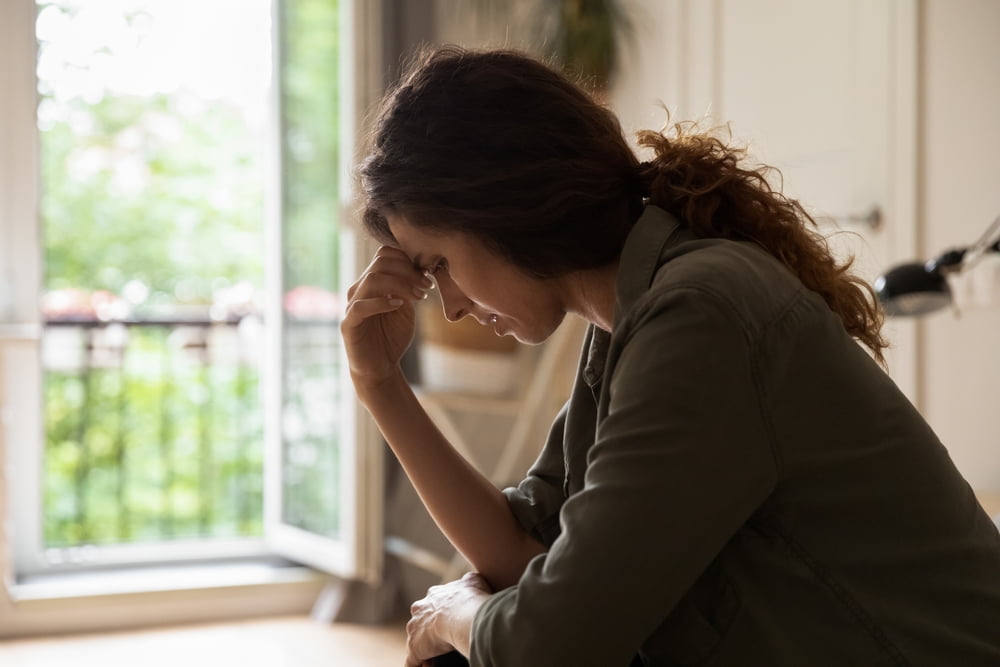
The physical injury from an accident is not the only form of damage that occurs. There can also be mental trauma attributed to it, whether depression and anxiety in recovery or PTSD from the accident itself. Mental health needs to be managed just as physical health does;
how can you seek to overcome poor mental health after an accident?
Seek Therapy
While there are myriad ways in which you can help lighten your own mental load – ways we’ll be looking at shortly – there is no more effective way to manage it than seeking out therapy. Unfortunately, waiting lists for NHS self-referral programmes remain long, but if you can afford private sessions with a registered and accredited therapist, you absolutely should take them. At its most basic, therapy can be a useful way to get things off your chest; at its most useful, it can give you some incredible tools with which to work through your own feelings.
Surround Yourself With Love
Glib as it sounds, a problem shared truly is a problem halved. Your loved ones will be there for you through thick and thin, and your post-accident struggles are no different. Whether you need help getting around, an exercise buddy or just a shoulder to cry on, reaching out to friends and family can make all the difference. Making sure to actively keep up with your loved ones can also be a welcome distraction – especially where it is otherwise easy to sit alone, and spiral as a result.
Seek Closure
Recovery from an accident is multi-faceted process, and even with all the goodwill and self-help resources available to you, it can feel difficult to approach “wellness”. There may be other barriers in the way of your recovery, one of which might be the nature of the accident in question. If it wasn’t your fault – whether at work or in a public place – there’s a chance you could be eligible for compensation through civil action.
You might talk to a solicitor about this for two distinct reasons; the first is that civil action could be a good way to hold those liable to account, and to get closure on the hows and whys of your unfortunate accident. It is also true that the compensation money could lighten stresses in other areas, such as covering bills or giving you the money to take a restful holiday.
Physical Health
We’ve already established that there’s a link of sorts between mental and physical health, your accident having brought on mental conditions in addition to your physical injury. Well, this can work in the opposite direction too. Mental health can directly correlate with physical health, especially where exercise is concerned. The same endorphins that make you feel like a million pounds after a good run can help combat more negative thinking patterns, giving you the strength to move forward with conviction.
Read Also
- Top Trends Shaping the Future of Mental Health Care
 Mental health care is moving fast to meet daily human needs. People want direct care that fits modern life. Clinics respond by creating flexible options that make healing easier to reach. Providers look past rigid habits to give people solid care. From smart tools to body wellness, these changes help people find relief when life… Read more: Top Trends Shaping the Future of Mental Health Care
 - Full-Arch Dental Tourism: Why UK Patients With Severe Bone Loss Are Looking AbroadDental implants have become one of the fastest-growing segments of private dentistry. Within that market, one patient group behaves very differently from the rest: people who have been told they do not have enough upper jawbone for conventional implants. For these patients, the choice is rarely between one clinic and another. It is between a… Read more: Full-Arch Dental Tourism: Why UK Patients With Severe Bone Loss Are Looking Abroad
- Levels of Mental Health Care and When to Seek SupportMental health care can range from occasional outpatient appointments to 24-hour hospital treatment. The appropriate level depends on safety, symptom severity, daily functioning, medical needs, available support, treatment history and personal preferences. A licensed clinician should assess these factors rather than relying on a symptom list alone. Need help now? In the United States, call… Read more: Levels of Mental Health Care and When to Seek Support
- How to Choose a Shilajit Brand Based on the ResearchIn a randomized trial published in the Journal of the International Society of Sports Nutrition in 2019, 63 active men took 250 mg of standardized shilajit, 500 mg, or a placebo every day for eight weeks, and the benefit for strength retention after a fatiguing workout appeared only at 500 mg. For anyone choosing a… Read more: How to Choose a Shilajit Brand Based on the Research
- How to Incorporate Relaxation into Your Busy ScheduleFinding balance when you have a packed daily agenda often feels out of reach. Between work duties, family obligations, and personal projects, personal rest usually gets pushed to the bottom of the list. Small, intentional shifts in daily habits can help restore calm without requiring hours of extra free time. Continue reading to discover everything… Read more: How to Incorporate Relaxation into Your Busy Schedule