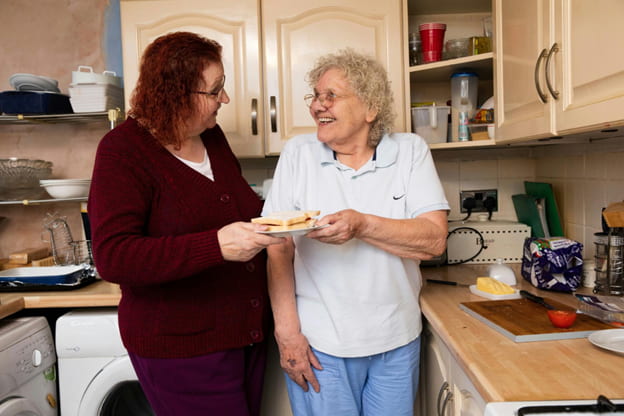
Effective communication skills are essential in any caregiving environment, but they become even more critical in senior care. Seniors often face unique challenges, including physical, cognitive, and emotional changes that can impact their ability to communicate.
Enhancing communication skills in senior care not only helps caregivers connect better with seniors, but it also significantly boosts seniors’ well-being. Caregivers can truly impact lives by enhancing daily interactions and understanding individual needs. Read on.
Understanding the Importance of Communication Skills
Communication is much more than just talking. It’s about listening, observing, and responding in a way that makes seniors feel heard and valued. By developing these skills, caregivers can create a more positive and supportive environment.
Building a Strong Connection
Strong connections foster trust and comfort, essential elements in senior care. They cultivate an atmosphere where seniors feel safe to express their feelings and needs. One effective method is to maintain eye contact while speaking and to use a calm, patient tone. This helps in building rapport and makes seniors feel respected.
Active Listening Techniques
Active listening is a cornerstone of effective communication. This technique allows caregivers to truly understand the emotions and thoughts of seniors.
- Reflect Back
- Acknowledge Emotion
- Stay Engaged
Caregivers can boost their communication skills. This will help them build better relationships with seniors.
Overcoming Barriers to Communication
Many seniors face barriers that can hinder effective communication, such as hearing impairment or cognitive decline. Addressing these issues requires patience and creativity.
For instance, using simple words, short sentences, and a clear voice can significantly improve understanding. Additionally, caregivers can help by minimizing distractions in the environment, creating a peaceful setting for conversations.
Non-Verbal Communication Matters
Non-verbal cues play an essential role in communication. Body language, facial expressions, and gestures can express more than words sometimes.
For example, a smile can convey warmth and reassurance, while crossed arms might suggest defensiveness or discomfort. It is important for caregivers to pay attention to their nonverbal cues and make sure they correspond with their spoken words.
Understanding Language Challenges in Aging
Many seniors may have difficulty grasping new concepts or recalling words, which can lead to frustration. It’s crucial for caregivers to be patient and adjust their communication style.
Understanding language challenges in aging can help ease transitions for seniors facing these challenges. Caregivers should also encourage seniors to express themselves, even if it means taking extra time for them to articulate their thoughts.
Enhancing Emotional Communication
Emotions greatly influence how seniors communicate. Understanding and responding to their emotional needs can strengthen the caregiver-senior relationship. For instance, jealousy, fear, or sadness can affect their mood and willingness to communicate.
Caregivers who acknowledge these emotions can help seniors feel more secure. Asking open-ended questions can encourage seniors to share their thoughts and feelings freely.
Creating a Comfortable Environment
A supportive environment is vital for enhancing communication skills. Consider the following tips:
- Offer Privacy
- Encourage Social Interactions
- Use Visual Aids
By implementing these strategies, caregivers can create an atmosphere conducive to better communication.
The Power of Communication Skills
Enhancing communication skills in senior care is essential for improving understanding, connection, and daily interactions. Caregivers who cultivate strong communication techniques not only boost seniors’ well-being but also foster a deeper sense of comfort and trust. As caregivers develop these vital skills, they enrich the lives of seniors in their care and establish meaningful relationships that enhance both parties’ quality of life.
For more helpful tips, check out the rest of our site today.
Read Also
- Top Trends Shaping the Future of Mental Health Care
 Mental health care is moving fast to meet daily human needs. People want direct care that fits modern life. Clinics respond by creating flexible options that make healing easier to reach. Providers look past rigid habits to give people solid care. From smart tools to body wellness, these changes help people find relief when life… Read more: Top Trends Shaping the Future of Mental Health Care
 - Full-Arch Dental Tourism: Why UK Patients With Severe Bone Loss Are Looking AbroadDental implants have become one of the fastest-growing segments of private dentistry. Within that market, one patient group behaves very differently from the rest: people who have been told they do not have enough upper jawbone for conventional implants. For these patients, the choice is rarely between one clinic and another. It is between a… Read more: Full-Arch Dental Tourism: Why UK Patients With Severe Bone Loss Are Looking Abroad
- Levels of Mental Health Care and When to Seek SupportMental health care can range from occasional outpatient appointments to 24-hour hospital treatment. The appropriate level depends on safety, symptom severity, daily functioning, medical needs, available support, treatment history and personal preferences. A licensed clinician should assess these factors rather than relying on a symptom list alone. Need help now? In the United States, call… Read more: Levels of Mental Health Care and When to Seek Support
- How to Choose a Shilajit Brand Based on the ResearchIn a randomized trial published in the Journal of the International Society of Sports Nutrition in 2019, 63 active men took 250 mg of standardized shilajit, 500 mg, or a placebo every day for eight weeks, and the benefit for strength retention after a fatiguing workout appeared only at 500 mg. For anyone choosing a… Read more: How to Choose a Shilajit Brand Based on the Research
- How to Incorporate Relaxation into Your Busy ScheduleFinding balance when you have a packed daily agenda often feels out of reach. Between work duties, family obligations, and personal projects, personal rest usually gets pushed to the bottom of the list. Small, intentional shifts in daily habits can help restore calm without requiring hours of extra free time. Continue reading to discover everything… Read more: How to Incorporate Relaxation into Your Busy Schedule
- Red Light Therapy for Skin and Wellness: Meet Vital Red Light TherapyModern wellness is not always about complicated treatments or long routines. Many people are now looking for simple, convenient ways to support their skin, recovery, and overall wellness at home. One technology getting more attention is red light therapy. Red light therapy uses specific wavelengths of red and near-infrared light to support the body’s natural… Read more: Red Light Therapy for Skin and Wellness: Meet Vital Red Light Therapy
- Managing Shock Loss After a Hair Transplant: The Financial and Clinical Imperative of Post-Op CareIn the rapidly evolving landscape of private healthcare, executive leadership within cosmetic and restorative surgery clinics faces a dual challenge: maintaining strict clinical standards while maximizing patient lifetime value (LTV) and brand advocacy. As the global medical tourism and elective procedure markets expand, clinical outcome quality alone is no longer the sole differentiator for premium… Read more: Managing Shock Loss After a Hair Transplant: The Financial and Clinical Imperative of Post-Op Care
- Transform Your Skin Health: Premier Gluta IV Therapy in DubaiThis comprehensive guide explores how modern intravenous wellness treatments can help revitalize your complexion, boost immune function, and support overall cellular health. By incorporating modern IV therapy Dubai services into a routine health regimen, individuals can achieve direct nutrient absorption for optimal results. Selecting a customized gluta IV drip Dubai treatment provides targeted antioxidant defense,… Read more: Transform Your Skin Health: Premier Gluta IV Therapy in Dubai