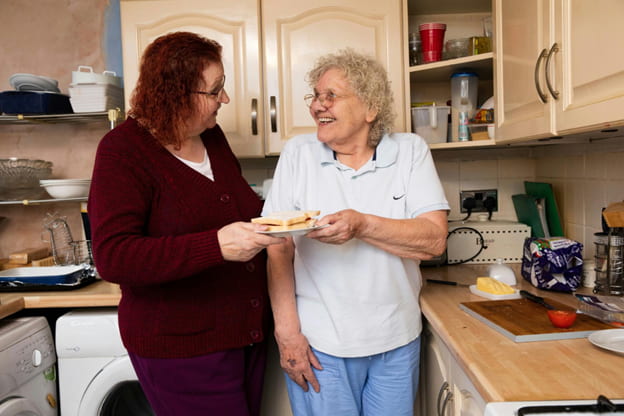
Effective communication skills are essential in any caregiving environment, but they become even more critical in senior care. Seniors often face unique challenges, including physical, cognitive, and emotional changes that can impact their ability to communicate.
Enhancing communication skills in senior care not only helps caregivers connect better with seniors, but it also significantly boosts seniors’ well-being. Caregivers can truly impact lives by enhancing daily interactions and understanding individual needs. Read on.
Understanding the Importance of Communication Skills
Communication is much more than just talking. It’s about listening, observing, and responding in a way that makes seniors feel heard and valued. By developing these skills, caregivers can create a more positive and supportive environment.
Building a Strong Connection
Strong connections foster trust and comfort, essential elements in senior care. They cultivate an atmosphere where seniors feel safe to express their feelings and needs. One effective method is to maintain eye contact while speaking and to use a calm, patient tone. This helps in building rapport and makes seniors feel respected.
Active Listening Techniques
Active listening is a cornerstone of effective communication. This technique allows caregivers to truly understand the emotions and thoughts of seniors.
- Reflect Back
- Acknowledge Emotion
- Stay Engaged
Caregivers can boost their communication skills. This will help them build better relationships with seniors.
Overcoming Barriers to Communication
Many seniors face barriers that can hinder effective communication, such as hearing impairment or cognitive decline. Addressing these issues requires patience and creativity.
For instance, using simple words, short sentences, and a clear voice can significantly improve understanding. Additionally, caregivers can help by minimizing distractions in the environment, creating a peaceful setting for conversations.
Non-Verbal Communication Matters
Non-verbal cues play an essential role in communication. Body language, facial expressions, and gestures can express more than words sometimes.
For example, a smile can convey warmth and reassurance, while crossed arms might suggest defensiveness or discomfort. It is important for caregivers to pay attention to their nonverbal cues and make sure they correspond with their spoken words.
Understanding Language Challenges in Aging
Many seniors may have difficulty grasping new concepts or recalling words, which can lead to frustration. It’s crucial for caregivers to be patient and adjust their communication style.
Understanding language challenges in aging can help ease transitions for seniors facing these challenges. Caregivers should also encourage seniors to express themselves, even if it means taking extra time for them to articulate their thoughts.
Enhancing Emotional Communication
Emotions greatly influence how seniors communicate. Understanding and responding to their emotional needs can strengthen the caregiver-senior relationship. For instance, jealousy, fear, or sadness can affect their mood and willingness to communicate.
Caregivers who acknowledge these emotions can help seniors feel more secure. Asking open-ended questions can encourage seniors to share their thoughts and feelings freely.
Creating a Comfortable Environment
A supportive environment is vital for enhancing communication skills. Consider the following tips:
- Offer Privacy
- Encourage Social Interactions
- Use Visual Aids
By implementing these strategies, caregivers can create an atmosphere conducive to better communication.
The Power of Communication Skills
Enhancing communication skills in senior care is essential for improving understanding, connection, and daily interactions. Caregivers who cultivate strong communication techniques not only boost seniors’ well-being but also foster a deeper sense of comfort and trust. As caregivers develop these vital skills, they enrich the lives of seniors in their care and establish meaningful relationships that enhance both parties’ quality of life.
For more helpful tips, check out the rest of our site today.
Read Also
- IVF in Later Life: Opportunities, Risks, and Modern Strategies for Success
 Is it worth considering IVF after age 40? In today’s world, the boundaries of reproductive age are gradually shifting, adapting to social changes. More and more women aged 40 and older are making a conscious decision to become mothers once they have achieved career stability, established a solid financial foundation, and attained deep psychological maturity.… Read more: IVF in Later Life: Opportunities, Risks, and Modern Strategies for Success
 - How to Choose a Pediatrician: What Parents Should Look For Before the First VisitChoosing a pediatrician is one of the first major healthcare decisions parents make — and one of the most important. Your child’s doctor will be a consistent presence through well-child visits, illnesses, developmental milestones, and sometimes difficult conversations. Getting this choice right from the start sets the foundation for your child’s long-term health. Start Looking… Read more: How to Choose a Pediatrician: What Parents Should Look For Before the First Visit
- Ankle Injuries in Athletes: When to Push Through and When to See a SpecialistAnkle injuries are among the most common in sports, from weekend warriors to competitive athletes. The challenge is that the ankle’s complexity means what feels like a simple sprain might actually involve a fracture, torn ligament, or cartilage damage beneath the joint. Knowing when to rest at home versus when to seek professional evaluation can… Read more: Ankle Injuries in Athletes: When to Push Through and When to See a Specialist
- What to Expect When Seeing an Orthopedic Surgeon for Knee or Joint PainKnee and joint pain affects millions of Americans each year, ranging from minor discomfort after exercise to debilitating conditions that limit daily movement. Knowing when to see a specialist — and what to expect when you do — can make the entire experience less intimidating and more productive. When Should You See an Orthopedic Surgeon?… Read more: What to Expect When Seeing an Orthopedic Surgeon for Knee or Joint Pain
- Real Health Risks of Mold Exposure in South Florida HomesAlthough I’m not a doctor, having lived through enough post-hurricane mold outbreaks to know which symptoms send people to the ER in Miami, Fort Lauderdale, and West Palm Beach—and which ones linger for years. Immediate Reactions (hours to days) Allergic-type response (most common): Runny nose, red itchy eyes, sneezing, sinus pressure that feels like a… Read more: Real Health Risks of Mold Exposure in South Florida Homes
- Discover the Benefits of Secure Dental for Your Oral HealthThe Undeniable Link Between Oral Health and Overall Well-Being Oral health is much more than just a hygiene issue; it plays a crucial role in your overall health. Research has repeatedly shown that what happens in your mouth can significantly influence your body as a whole. The mouth is the gateway to the rest of… Read more: Discover the Benefits of Secure Dental for Your Oral Health
- The Role of Ingredients in Your Skincare: What to Look ForSkincare works best when you understand what goes into the products you use daily. Ingredients form the foundation of every formula and determine how the skin reacts over time. Each cream, cleanser, or serum has its own role, determined by its ingredients. Learning what to look for helps you pick products that help skin and… Read more: The Role of Ingredients in Your Skincare: What to Look For
- Your Guide to Finding a Trusted DentistChoosing the right dentist in Sandgate or your area is crucial for maintaining good oral health and achieving a confident smile. With countless dental practices to choose from, patients may find the task daunting. Data from the American Dental Association indicates that there are over 200,000 practicing dentists in the United States, highlighting the importance… Read more: Your Guide to Finding a Trusted Dentist