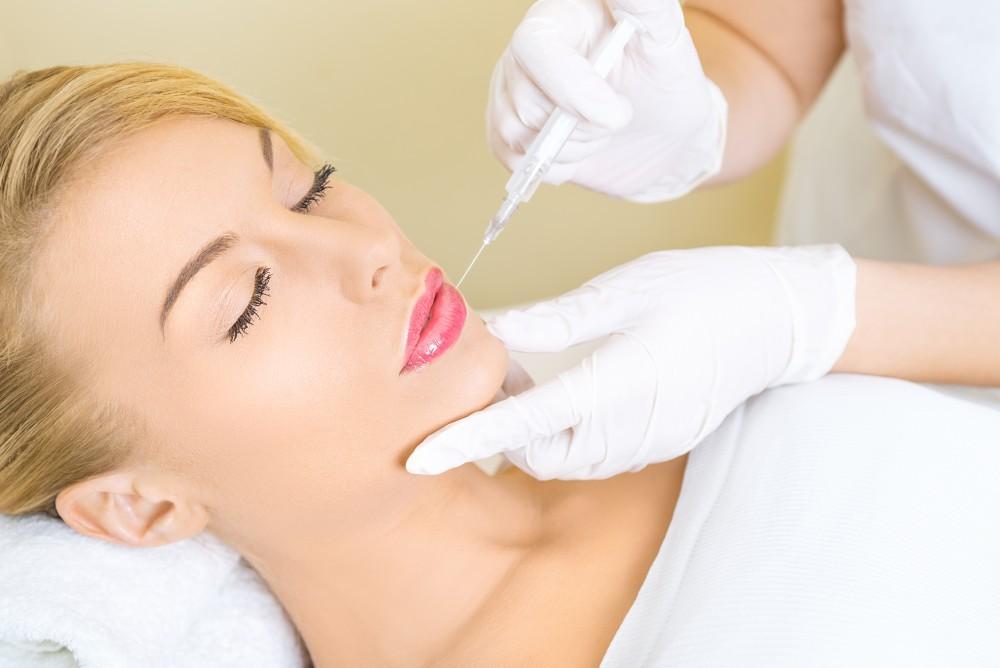
In cosmetic dentistry, the quest for the perfect smile often goes beyond traditional treatments like braces or teeth whitening. Today, innovative approaches such as Dental Botox are revolutionizing the way you enhance your smiles and, subsequently, your confidence. This relatively new application of Botox in dentistry is not just about aesthetics; it also encompasses functional benefits, providing a comprehensive solution for various dental concerns.
Read on to learn how dental botox enhances your smile and confidence.
The Role of Dental Botox in Cosmetic Dentistry
Botox, a neurotoxin known for its ability to relax muscles, has found a significant place in cosmetic dentistry. When applied correctly, it can subtly alter the dynamics of the facial muscles, leading to an improved smile. By relaxing the upper lip muscles, the treatment can address issues like a gummy smile, where excessive gum is visible. This results in a more balanced and aesthetically pleasing smile.
Beyond cosmetic improvements, Dental Botox plays a crucial role in treating functional dental issues. One of the most notable applications is treating Temporomandibular Joint Disorders (TMJ). TMJ disorders are often characterized by pain and dysfunction in the jaw joint and muscles controlling jaw movement. Botox for TMJ can help alleviate these symptoms by relaxing the involved muscles, thus reducing pain and improving jaw function. This enhances your smile and contributes significantly to your overall comfort and well-being.
Improving Dental Health and Hygiene
Dental Botox is pivotal in promoting better dental health and hygiene, particularly in managing bruxism, a condition characterized by involuntary teeth grinding. Bruxism can lead to significant dental issues, including enamel erosion, increased tooth sensitivity, and even tooth fractures. Using Botox to relax the muscles involved in grinding reduces the stress exerted on your teeth, preventing these harmful effects. This proactive approach not only preserves the structural integrity of your teeth but also ensures a healthier oral environment.
Maintaining this level of oral health is crucial, as it forms the foundation of a confident and lasting smile. The reduced wear and tear on teeth from mitigated grinding also diminishes the need for extensive dental repairs, making Dental Botox an effective, preventative tool for maintaining long-term dental well-being.
Psychological Benefits and Confidence Boost
The transformative power of an enhanced smile extends far beyond mere aesthetics; it deeply influences your psychological well-being and self-confidence. Your smile is often one of the first things others notice, and feeling self-conscious about it can hinder social interactions and personal expression. Dental Botox can dramatically boost your self-esteem by improving both the appearance and function of the smile. This newfound confidence can lead to more positive social engagements, better first impressions, and a more optimistic outlook.
Furthermore, when you feel good about your smile, you are more likely to smile often, which has been shown to elevate mood and encourage a positive mindset. Thus, the benefits of Dental Botox in enhancing your smile go beyond the mirror, profoundly impacting personal and social aspects of life and contributing to overall happiness and fulfillment.
Safety and Considerations
The administration of Dental Botox, while offering various benefits for dental aesthetics and functionality, necessitates a careful and well-informed approach. It is imperative that only qualified dental professionals who possess an in-depth understanding of facial anatomy and the nuances of Botox application carry out this procedure. These professionals should have the requisite training and extensive experience in administering Botox for dental purposes.
As a patient, you must engage in open and thorough discussions with your dentist regarding your complete medical history, any existing medical conditions, and medications being taken, as these factors can significantly influence the treatment’s efficacy and safety.
Being aware of potential side effects, such as minor bruising, swelling, or temporary discomfort at the injection site, is essential. You should also inquire about the longevity and maintenance of the treatment results. In addition, you must follow post-treatment care instructions meticulously to ensure optimal results and minimize risks. This cautious approach helps maximize the benefits of Dental Botox while safeguarding your health and well-being.
The Bottom Line
Dental Botox is more than just a cosmetic treatment; it’s a comprehensive approach to enhancing your smile and confidence. Addressing aesthetic and functional dental issues offers a holistic solution if you’re looking to improve your smile. Whether it’s managing TMJ disorders, preventing teeth grinding, or simply achieving a more aesthetically pleasing smile, Dental Botox stands as a testament to the advancements in modern dentistry and its positive impact on your life.
Did you find this helpful? Check out our other helpful articles on our website.
Read Also
- Top Trends Shaping the Future of Mental Health Care
 Mental health care is moving fast to meet daily human needs. People want direct care that fits modern life. Clinics respond by creating flexible options that make healing easier to reach. Providers look past rigid habits to give people solid care. From smart tools to body wellness, these changes help people find relief when life… Read more: Top Trends Shaping the Future of Mental Health Care
 - Full-Arch Dental Tourism: Why UK Patients With Severe Bone Loss Are Looking AbroadDental implants have become one of the fastest-growing segments of private dentistry. Within that market, one patient group behaves very differently from the rest: people who have been told they do not have enough upper jawbone for conventional implants. For these patients, the choice is rarely between one clinic and another. It is between a… Read more: Full-Arch Dental Tourism: Why UK Patients With Severe Bone Loss Are Looking Abroad
- Levels of Mental Health Care and When to Seek SupportMental health care can range from occasional outpatient appointments to 24-hour hospital treatment. The appropriate level depends on safety, symptom severity, daily functioning, medical needs, available support, treatment history and personal preferences. A licensed clinician should assess these factors rather than relying on a symptom list alone. Need help now? In the United States, call… Read more: Levels of Mental Health Care and When to Seek Support
- How to Choose a Shilajit Brand Based on the ResearchIn a randomized trial published in the Journal of the International Society of Sports Nutrition in 2019, 63 active men took 250 mg of standardized shilajit, 500 mg, or a placebo every day for eight weeks, and the benefit for strength retention after a fatiguing workout appeared only at 500 mg. For anyone choosing a… Read more: How to Choose a Shilajit Brand Based on the Research
- How to Incorporate Relaxation into Your Busy ScheduleFinding balance when you have a packed daily agenda often feels out of reach. Between work duties, family obligations, and personal projects, personal rest usually gets pushed to the bottom of the list. Small, intentional shifts in daily habits can help restore calm without requiring hours of extra free time. Continue reading to discover everything… Read more: How to Incorporate Relaxation into Your Busy Schedule
- Red Light Therapy for Skin and Wellness: Meet Vital Red Light TherapyModern wellness is not always about complicated treatments or long routines. Many people are now looking for simple, convenient ways to support their skin, recovery, and overall wellness at home. One technology getting more attention is red light therapy. Red light therapy uses specific wavelengths of red and near-infrared light to support the body’s natural… Read more: Red Light Therapy for Skin and Wellness: Meet Vital Red Light Therapy
- Managing Shock Loss After a Hair Transplant: The Financial and Clinical Imperative of Post-Op CareIn the rapidly evolving landscape of private healthcare, executive leadership within cosmetic and restorative surgery clinics faces a dual challenge: maintaining strict clinical standards while maximizing patient lifetime value (LTV) and brand advocacy. As the global medical tourism and elective procedure markets expand, clinical outcome quality alone is no longer the sole differentiator for premium… Read more: Managing Shock Loss After a Hair Transplant: The Financial and Clinical Imperative of Post-Op Care
- Transform Your Skin Health: Premier Gluta IV Therapy in DubaiThis comprehensive guide explores how modern intravenous wellness treatments can help revitalize your complexion, boost immune function, and support overall cellular health. By incorporating modern IV therapy Dubai services into a routine health regimen, individuals can achieve direct nutrient absorption for optimal results. Selecting a customized gluta IV drip Dubai treatment provides targeted antioxidant defense,… Read more: Transform Your Skin Health: Premier Gluta IV Therapy in Dubai