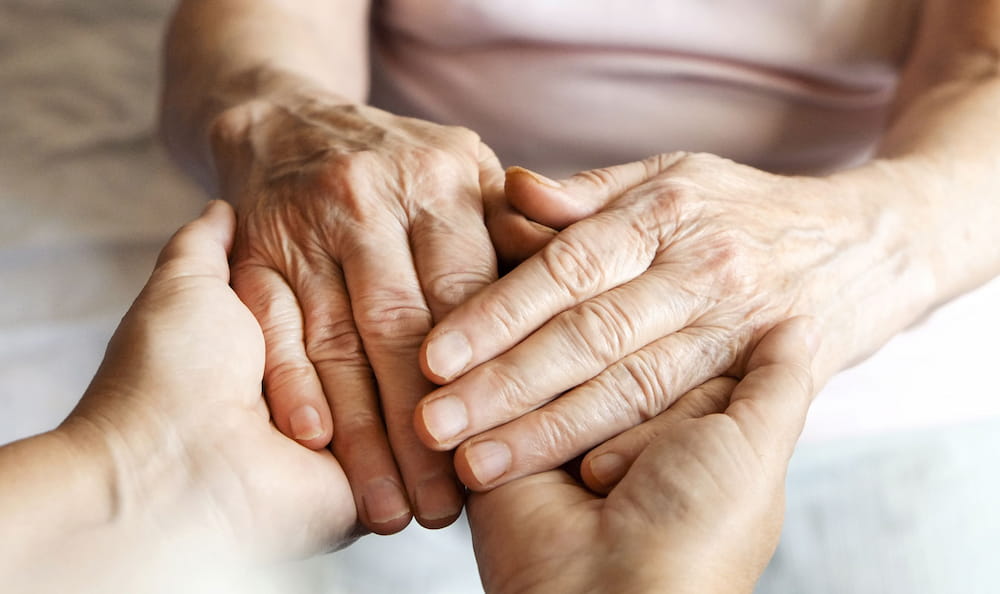
You were once the future dream of your parents, and now it is your responsibility to take care of them. Nursing is a role that is full of responsibilities and maturity. We cannot put our family members into the hands of some people who are not able to nurse the person properly.
There is a big gap between understanding what nursing is and doing the nursing itself. If you are a nurse, you know how hard it is to take care of people. Well, hard work, in the sense of concentration and care, can be possible if you have enough knowledge and understanding of the medical situations of a person.
In addition, nursing is also about the care that you possess for a patient. It becomes more difficult when an elderly person becomes your patient. In that case, taking him or her back to health is critical and solely depends on you.
Hospitals and nursing homes are there, but apart from that, most of the tasks will depend on your approach toward the old person. It is a very sensitive issue when you tackle an elderly person and make sure they are back to health and back from the hospital.
Tips For Nursing An Elderly Person
This article is focused on the caretaking approaches that can be taken by you to nurse an elderly person. Once you take charge, it is your responsibility to take care of them and keep them out of health risks.
Let’s look at the effective tips to nurse elderly people. You will get a notion to involve yourself in positive nursing through these tips for sure.
1. Help Them With Eating
It doesn’t matter where you are nursing the person, be it in the nursing home or in their home; you have to take note of the issues that the elderly person has right now.
It is a common issue for elderly people to face problems while swallowing something. It may be food or a tablet; you need to give them simple solutions so that they can cope with the ideas very easily.
You can try pill swallowing gels to help them swallow pills, and that will be very effective and easy for them.
2. Show Positivity
Are you nursing an elderly person?
Then this is crucial for you to understand the benefits of being positive in front of them. At the end stage of their life, they will seem more negative than positive in every way. And it is your responsibility to show them a positive attitude and positive ways.
In that way, you will be able to convince them to bake on track with good health conditions. It is very necessary for a patient to be mentally fit in order to be physically fit.
3. Help Them With Physical Activities
If you are a nurse of an elderly person, you also have to take care of their physio by helping them in physical activities. They will definitely not try to do these physical activities, but it will be your responsibility to take care of that side.
No one will want to do physical exercise as it becomes difficult for them after a certain age. In addition, according to the doctor’s prescriptions, you will need to help them do their exercise daily to keep improving their physical health. You can check this website for your elder mobility care needs.
4. Communicate Properly
While you are with an elderly patient, you are probably the only person who spends so much time with the patient.
So how are you going to utilize the time? By maintaining your regular duty and going home? It’s not that simple, and you will not be able to take care of them properly without proper communication.
So, communicate with them properly and create a strong bond so that you understand most of their necessity before even they tell you. With elderly people, several cases come when they hear less and see less, and thus communication with gestures and understanding is the key.
To Conclude
What do you think? Are those tips useful enough?
You can give us your feedback about this article and also can share your own ideas and experience with us to make it better.
Being a nurse, you are the only person responsible for the primary health conditions of a patient. So, it’s your time to take care of them properly; elderly people are like children, and thus treat them with care and make them feel special.
Read Also
- Top Trends Shaping the Future of Mental Health Care
 Mental health care is moving fast to meet daily human needs. People want direct care that fits modern life. Clinics respond by creating flexible options that make healing easier to reach. Providers look past rigid habits to give people solid care. From smart tools to body wellness, these changes help people find relief when life… Read more: Top Trends Shaping the Future of Mental Health Care
 - Full-Arch Dental Tourism: Why UK Patients With Severe Bone Loss Are Looking AbroadDental implants have become one of the fastest-growing segments of private dentistry. Within that market, one patient group behaves very differently from the rest: people who have been told they do not have enough upper jawbone for conventional implants. For these patients, the choice is rarely between one clinic and another. It is between a… Read more: Full-Arch Dental Tourism: Why UK Patients With Severe Bone Loss Are Looking Abroad
- Levels of Mental Health Care and When to Seek SupportMental health care can range from occasional outpatient appointments to 24-hour hospital treatment. The appropriate level depends on safety, symptom severity, daily functioning, medical needs, available support, treatment history and personal preferences. A licensed clinician should assess these factors rather than relying on a symptom list alone. Need help now? In the United States, call… Read more: Levels of Mental Health Care and When to Seek Support
- How to Choose a Shilajit Brand Based on the ResearchIn a randomized trial published in the Journal of the International Society of Sports Nutrition in 2019, 63 active men took 250 mg of standardized shilajit, 500 mg, or a placebo every day for eight weeks, and the benefit for strength retention after a fatiguing workout appeared only at 500 mg. For anyone choosing a… Read more: How to Choose a Shilajit Brand Based on the Research
- How to Incorporate Relaxation into Your Busy ScheduleFinding balance when you have a packed daily agenda often feels out of reach. Between work duties, family obligations, and personal projects, personal rest usually gets pushed to the bottom of the list. Small, intentional shifts in daily habits can help restore calm without requiring hours of extra free time. Continue reading to discover everything… Read more: How to Incorporate Relaxation into Your Busy Schedule