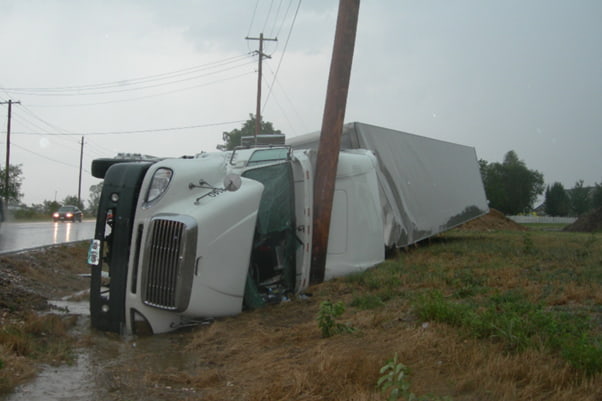
The sheer size of a truck proves that it is capable of causing irreversible damage to your life. No aspect of your life is immune to the consequences of a truck accident.
No matter the level of damage you’ve suffered, filing a truck accident lawsuit can help you gain some sort of compensation that can set you on the right track to recovery.
In this blog post, we are going to discuss how to restart your life after a truck accident.
How to Get Back on Track After a Truck Accident
Here are the steps you can take to rebuild your life after suffering the consequences of a truck accident:
Hire An Attorney to Get Maximum Compensation
Accident laws can be complicated, and you might not be aware of all the compensation you’re entitled to. A lawyer can clearly explain things and ensure you’re not shortchanged by insurance companies.
Building a strong case requires evidence like police reports, medical records, and witness accounts. A lawyer has the experience and resources to gather this evidence effectively. They will use the right information to build a solid case that the defending attorney will not be able to dissolve.
Hiring a personal injury lawyer doesn’t cost you anything upfront. Most lawyers work on a contingency fee basis, meaning they only get paid if they win your case.
You can focus on healing, knowing your lawyer is handling the legal battles and fighting to secure the financial resources you need to rebuild your life.
Investing In Long-Term Treatment Options
In some cases, an accident can have consequences that require long-term care or even permanent lifestyle changes.
Any of the following options might offer a permanent fix or something that keeps the problem under control for a very long time.
Physical Therapy
Rehabilitation plays a vital role in regaining strength, mobility, and reducing pain. Physical therapists create personalized programs to help you reach your full recovery potential. A lawyer can ensure your compensation covers the cost of ongoing physical therapy if needed.
Medical Treatment
Depending on the severity of your injuries, you might require specialized treatments or medications. You should factor these long-term costs into your case to ensure you get the financial resources for the care you need.
Accessibility Modifications
If your accident leaves you with permanent limitations, you might need to make modifications to your home or vehicle. A lawyer can fight to get compensation that covers these essential adjustments that allow you to maintain your independence.
Mental Health Support
Don’t underestimate the emotional toll of an accident. Therapy can be a crucial step in processing trauma and managing anxiety or depression.
Compensation from your case can cover the cost of therapy sessions, ensuring you receive the mental health support you need to heal.
.
Resuming Work and Rebuilding Your Career
Don’t rush back to work before you’re physically and mentally ready. Returning to work too soon can hinder your recovery and even worsen your condition.
Keep your employer informed about your progress and estimated return date. Depending on the severity of your injuries, you might be able to negotiate a temporary leave of absence or modified work schedule to ease your transition back into the workforce.
If your injuries prevent you from returning to your previous job, retraining might be an option. A lawyer can help ensure your compensation includes funds for retraining programs. With this, you’ll have the liberty to explore new career paths that fit your current abilities.

Rebuild Your Routine
As you heal physically, try to establish a new routine. You can start with light exercise, healthy meals, and getting enough sleep.
As you do these constantly, you’ll notice an improvement in your energy levels and overall well-being.
Things may not immediately go back to their normal order after your accident. You may need to adjust your work or hobbies if injuries limit your abilities.
Do not hesitate to embrace new technologies or accessibility tools that can help you maintain independence. There are ways to adapt and thrive despite the challenges.
Find Purpose again
The accident might have forced you to step away from your career or hobbies. Don’t lose sight of what brings you joy. Start slow, but gradually reintroduce activities you find fulfilling. Consider retraining or volunteering if your previous role is no longer feasible.
The road to recovery is a marathon, not a sprint. Acknowledge and celebrate your progress, no matter how small. Healing takes time and patience. You will experience setbacks and moments of doubt. But don’t lose hope.
With perseverance and the right support system, you can rebuild your life and thrive again. You are stronger and more resilient than you may realize.
As you go through this trying period, do not forget to lean on your support system. Surround yourself with positive, caring people who will listen, encourage you, and offer practical help during this difficult time. Don’t isolate yourself – their love and support are crucial for emotional healing.
Did you find this helpful? Check out our other helpful articles on our website.
Read Also
- Full-Arch Dental Tourism: Why UK Patients With Severe Bone Loss Are Looking Abroad
 Dental implants have become one of the fastest-growing segments of private dentistry. Within that market, one patient group behaves very differently from the rest: people who have been told they do not have enough upper jawbone for conventional implants. For these patients, the choice is rarely between one clinic and another. It is between a… Read more: Full-Arch Dental Tourism: Why UK Patients With Severe Bone Loss Are Looking Abroad
 - Levels of Mental Health Care and When to Seek SupportMental health care can range from occasional outpatient appointments to 24-hour hospital treatment. The appropriate level depends on safety, symptom severity, daily functioning, medical needs, available support, treatment history and personal preferences. A licensed clinician should assess these factors rather than relying on a symptom list alone. Need help now? In the United States, call… Read more: Levels of Mental Health Care and When to Seek Support
- How to Choose a Shilajit Brand Based on the ResearchIn a randomized trial published in the Journal of the International Society of Sports Nutrition in 2019, 63 active men took 250 mg of standardized shilajit, 500 mg, or a placebo every day for eight weeks, and the benefit for strength retention after a fatiguing workout appeared only at 500 mg. For anyone choosing a… Read more: How to Choose a Shilajit Brand Based on the Research
- How to Incorporate Relaxation into Your Busy ScheduleFinding balance when you have a packed daily agenda often feels out of reach. Between work duties, family obligations, and personal projects, personal rest usually gets pushed to the bottom of the list. Small, intentional shifts in daily habits can help restore calm without requiring hours of extra free time. Continue reading to discover everything… Read more: How to Incorporate Relaxation into Your Busy Schedule
- Red Light Therapy for Skin and Wellness: Meet Vital Red Light TherapyModern wellness is not always about complicated treatments or long routines. Many people are now looking for simple, convenient ways to support their skin, recovery, and overall wellness at home. One technology getting more attention is red light therapy. Red light therapy uses specific wavelengths of red and near-infrared light to support the body’s natural… Read more: Red Light Therapy for Skin and Wellness: Meet Vital Red Light Therapy
- Managing Shock Loss After a Hair Transplant: The Financial and Clinical Imperative of Post-Op CareIn the rapidly evolving landscape of private healthcare, executive leadership within cosmetic and restorative surgery clinics faces a dual challenge: maintaining strict clinical standards while maximizing patient lifetime value (LTV) and brand advocacy. As the global medical tourism and elective procedure markets expand, clinical outcome quality alone is no longer the sole differentiator for premium… Read more: Managing Shock Loss After a Hair Transplant: The Financial and Clinical Imperative of Post-Op Care
- Transform Your Skin Health: Premier Gluta IV Therapy in DubaiThis comprehensive guide explores how modern intravenous wellness treatments can help revitalize your complexion, boost immune function, and support overall cellular health. By incorporating modern IV therapy Dubai services into a routine health regimen, individuals can achieve direct nutrient absorption for optimal results. Selecting a customized gluta IV drip Dubai treatment provides targeted antioxidant defense,… Read more: Transform Your Skin Health: Premier Gluta IV Therapy in Dubai
- The Evolution of Dental Prosthetics: Innovation in Oral HealthDental replacements have improved a lot over time. Smiling, chewing, and speaking depend on having healthy teeth. When teeth break or go missing, today’s options can restore both function and confidence. Modern techniques make these replacements feel and look completely natural. Ancient Roots Of Tooth Replacement People have tried to replace lost teeth for thousands… Read more: The Evolution of Dental Prosthetics: Innovation in Oral Health