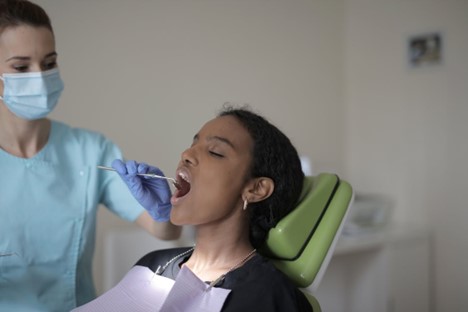
In the serene and health-conscious community of Minnetonka, Minnesota, residents are increasingly turning their attention to innovative ways to enhance their oral health. Invisalign, a modern orthodontic treatment, has caught the eye of many in this community, known for its commitment to wellness and beauty. This clear aligner system offers a discreet and comfortable way to achieve a perfect smile, aligning with the lifestyles of those in Minnetonka. Here, you can expect to pay $3,5000 to $8,000 for Invisalign.
This article aims to explore whether Invisalign is truly worth the investment for those considering orthodontic treatment. We’ll examine its benefits, costs, and effectiveness to help you make an informed decision about your oral health.
1. Understanding Invisalign
Invisalign is a revolutionary orthodontic treatment that uses a series of custom-made, clear plastic aligners to gradually straighten teeth. Unlike traditional braces, these aligners are nearly invisible and can be removed for eating, brushing, and flossing. The technology behind Invisalign involves 3D imaging and planning, allowing for a customized treatment plan tailored to each individual’s dental structure. This innovative approach to teeth straightening has made Invisalign a popular choice for adults and teens alike.
2. Benefits of Choosing Invisalign
Opting for Invisalign comes with several compelling advantages. The most apparent benefit is its aesthetic appeal – the clear aligners are virtually invisible, making them an attractive option for those who are self-conscious about wearing braces. Additionally, Invisalign aligners are removable, offering more flexibility in terms of eating and oral hygiene compared to traditional braces. They are also generally considered more comfortable, as there are no metal brackets or wires that can irritate the mouth. So, as a resident of Minnetonka, make sure to search the best clinics for Invisalign in Minnetonka.
3. Comparing Invisalign and Traditional Braces
When comparing Invisalign to traditional metal braces, several factors come into play. Invisalign is often preferred for its discreet appearance and comfort. However, traditional braces may be more effective for complex orthodontic issues. Invisalign’s removability is a double-edged sword; it allows for easier cleaning of teeth but requires discipline to ensure the aligners are worn the recommended 22 hours a day. In contrast, traditional braces are fixed and continuously work on correcting teeth alignment.
4. Cost Analysis
The cost of Invisalign treatment can vary depending on the complexity of the case and the duration of treatment. Generally, Invisalign may be more expensive than traditional braces. However, many find the extra investment worthwhile for the convenience and discretion it offers. It’s important to consider the long-term value of Invisalign in terms of oral health benefits and the confidence that comes with a straighter smile. Investing in Invisalign can be seen as a worthwhile expenditure for long-term oral health and aesthetics.
5. Treatment Duration and Process
The duration of Invisalign treatment typically ranges from 12 to 18 months but can vary based on the individual’s orthodontic needs. The process begins with a consultation, where a dental professional assesses your teeth and discusses your goals. Impressions of your teeth are then taken to create the custom aligners. Every few weeks, you’ll receive a new set of aligners, each slightly different, gradually moving your teeth into the desired position. Regular check-ins with your orthodontist ensure the treatment is progressing as planned.
6. Suitability and Limitations
Invisalign, while versatile, is not a one-size-fits-all solution. It’s most effective for mild to moderate dental misalignments, such as crowded teeth, gaps, and certain bite issues. However, for more complex orthodontic problems, traditional braces might be more effective. Adults and older teenagers with fully emerged permanent teeth are ideal candidates for Invisalign. During the initial consultation, orthodontists evaluate individual cases to determine the suitability of Invisalign, ensuring that each patient receives the most effective treatment for their specific needs.
7. Maintenance and Care
The success of Invisalign treatment heavily relies on the patient’s commitment to maintenance and care. Aligners must be worn for the recommended 20-22 hours a day and only removed for eating, drinking anything other than water, and oral hygiene practices. Keeping the aligners clean is crucial to avoid staining and odor; regular cleaning with a soft brush and lukewarm water is recommended. Proper care and adherence to wearing schedules ensure the effectiveness of the treatment and contribute to achieving the desired results.
8. Impact on Daily Life
One of the significant advantages of Invisalign is its minimal impact on daily life. The aligners’ removability offers a level of convenience not available with traditional braces. This flexibility allows individuals to continue enjoying their favorite foods and maintain their oral hygiene routine without the added hassle of navigating around wires and brackets. However, patients must be disciplined about wearing the aligners for the required amount of time each day to ensure treatment effectiveness.
9. Patient Satisfaction and Success Stories
Invisalign has a high rate of patient satisfaction, largely due to its discreet nature and convenience. Many patients report increased confidence during and after treatment, as the aligners are barely noticeable. Invisalign has numerous success stories. Patients often share their positive experiences regarding comfort, ease of use, and the effectiveness of the treatment in achieving their desired smile.
10. Consulting with an Orthodontist
Choosing to undergo Invisalign treatment should start with a thorough consultation with a qualified orthodontist. Orthodontists equipped with the latest technology and expertise can offer comprehensive evaluations and personalized treatment plans. During the consultation, patients should discuss their expectations any concerns, and understand the treatment process in detail. An experienced orthodontist will provide clear guidance and support throughout the Invisalign journey.
Conclusion
Invisalign represents a significant advancement in orthodontic treatment, offering an effective, discreet, and convenient option for straightening teeth. Invisalign is an investment worth considering. While it may not be suitable for all orthodontic cases, its benefits of minimal aesthetic impact, ease of maintenance, and adaptability to daily life make it an attractive option for many. Patient satisfaction and success stories further underscore its effectiveness. Ultimately, consulting with a skilled orthodontist is crucial to determine if Invisalign is the right choice for your specific needs and lifestyle. With the right care and commitment, Invisalign can be a valuable investment in achieving a confident, healthy smile.
Did you find this helpful? Check out our other helpful articles on our website.
Read Also
- Where to Find Reliable Mental Health Support for Teens
 Have you noticed changes in your teen’s mood, sleep, or behavior that leave you worried? Growing up can bring stress from school, friends, family, and new demands. Some teens may struggle to share their feelings or ask for help, even when they need support. Finding the right mental health support for teens can help them… Read more: Where to Find Reliable Mental Health Support for Teens
 - Top Trends Shaping the Future of Mental Health CareMental health care is moving fast to meet daily human needs. People want direct care that fits modern life. Clinics respond by creating flexible options that make healing easier to reach. Providers look past rigid habits to give people solid care. From smart tools to body wellness, these changes help people find relief when life… Read more: Top Trends Shaping the Future of Mental Health Care
- Full-Arch Dental Tourism: Why UK Patients With Severe Bone Loss Are Looking AbroadDental implants have become one of the fastest-growing segments of private dentistry. Within that market, one patient group behaves very differently from the rest: people who have been told they do not have enough upper jawbone for conventional implants. For these patients, the choice is rarely between one clinic and another. It is between a… Read more: Full-Arch Dental Tourism: Why UK Patients With Severe Bone Loss Are Looking Abroad
- Levels of Mental Health Care and When to Seek SupportMental health care can range from occasional outpatient appointments to 24-hour hospital treatment. The appropriate level depends on safety, symptom severity, daily functioning, medical needs, available support, treatment history and personal preferences. A licensed clinician should assess these factors rather than relying on a symptom list alone. Need help now? In the United States, call… Read more: Levels of Mental Health Care and When to Seek Support
- How to Choose a Shilajit Brand Based on the ResearchIn a randomized trial published in the Journal of the International Society of Sports Nutrition in 2019, 63 active men took 250 mg of standardized shilajit, 500 mg, or a placebo every day for eight weeks, and the benefit for strength retention after a fatiguing workout appeared only at 500 mg. For anyone choosing a… Read more: How to Choose a Shilajit Brand Based on the Research
- How to Incorporate Relaxation into Your Busy ScheduleFinding balance when you have a packed daily agenda often feels out of reach. Between work duties, family obligations, and personal projects, personal rest usually gets pushed to the bottom of the list. Small, intentional shifts in daily habits can help restore calm without requiring hours of extra free time. Continue reading to discover everything… Read more: How to Incorporate Relaxation into Your Busy Schedule
- Red Light Therapy for Skin and Wellness: Meet Vital Red Light TherapyModern wellness is not always about complicated treatments or long routines. Many people are now looking for simple, convenient ways to support their skin, recovery, and overall wellness at home. One technology getting more attention is red light therapy. Red light therapy uses specific wavelengths of red and near-infrared light to support the body’s natural… Read more: Red Light Therapy for Skin and Wellness: Meet Vital Red Light Therapy
- Managing Shock Loss After a Hair Transplant: The Financial and Clinical Imperative of Post-Op CareIn the rapidly evolving landscape of private healthcare, executive leadership within cosmetic and restorative surgery clinics faces a dual challenge: maintaining strict clinical standards while maximizing patient lifetime value (LTV) and brand advocacy. As the global medical tourism and elective procedure markets expand, clinical outcome quality alone is no longer the sole differentiator for premium… Read more: Managing Shock Loss After a Hair Transplant: The Financial and Clinical Imperative of Post-Op Care