


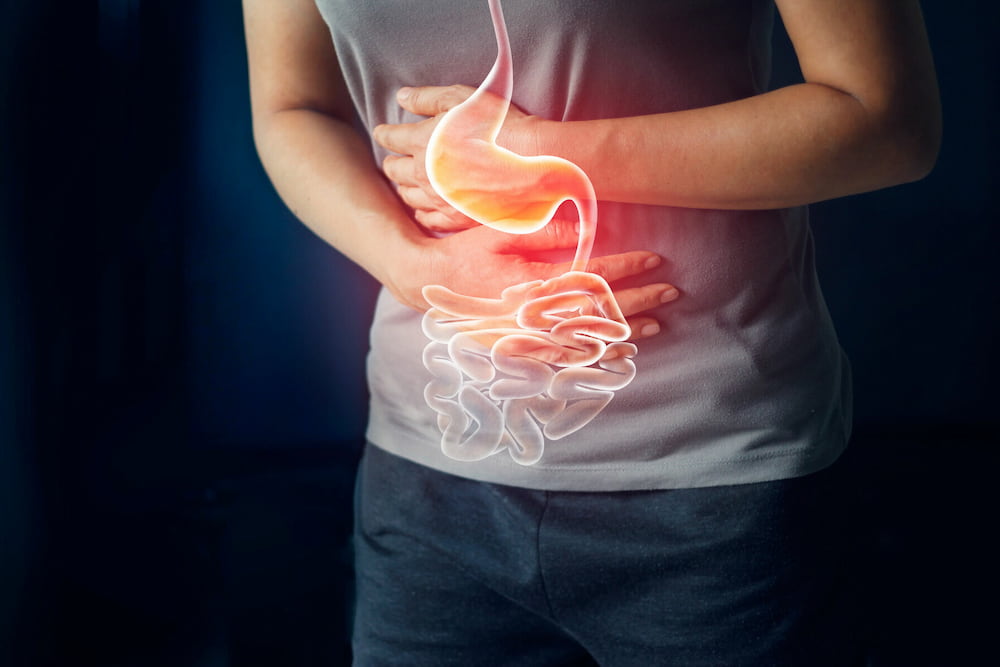
Maintaining digestive wellness is crucial for individuals with sensitive stomachs. Digestive issues such as bloating, abdominal discomfort, and irregular bowel movements can significantly impact daily life. A well-designed diet for sensitive stomach is essential for nurturing digestive wellness. This article will explore strategies and lifestyle modifications to support a sensitive stomach and promote optimal digestive wellness.
Mindful Eating for Digestive Wellness
Practicing mindful eating can have a positive impact on digestive health. Slow down and pay attention to your body’s hunger and fullness cues. Chew food thoroughly and savor each bite, allowing for better digestion. Avoid distractions while eating, such as watching TV or using electronic devices, as this can interfere with mindful eating and lead to overeating or indigestion.
Identify and Manage Trigger Foods
The identification of trigger foods holds significant importance. Keep a food diary to track your meals and symptoms, helping you identify patterns and pinpoint potential triggers. Common trigger foods include spicy foods, fatty or fried foods, caffeine, carbonated beverages, artificial sweeteners, and high-fat dairy products. Once you identify your triggers, take steps to manage or avoid them to promote digestive wellness.
Incorporate Gut-Friendly Foods
Including gut-friendly foods in your diet can promote digestive wellness. Opt for fiber-rich foods such as whole grains, fruits, vegetables, and legumes. These foods provide essential nutrients and support healthy bowel movements. Additionally, consider incorporating probiotic-rich foods like yogurt, kefir, sauerkraut, and kimchi. Probiotics help maintain a healthy balance of gut bacteria and support optimal digestion.
Stay Hydrated for Digestive Health
Adequate hydration is essential for digestive wellness. Drink plenty of water throughout the day to support proper digestion and prevent constipation. Aim for at least eight glasses of water daily, and adjust your intake based on your activity level and climate. Remember that other fluids, such as herbal teas and infused water, can improve your overall hydration.
Manage Stress Levels
Stress can significantly impact digestive health and exacerbate symptoms. Engage in stress management techniques such as deep breathing exercises, meditation, yoga, or mindfulness practices. Regular exercise, sufficient sleep, and engaging in enjoyable activities can help reduce stress levels and support digestive wellness.
Practice Portion Control
Overeating or consuming large meals can stress the digestive system, leading to discomfort. Practice portion control by eating smaller, more frequent meals throughout the day. Focus on balanced meals with lean proteins, complex carbohydrates, and healthy fats. Listen to your body’s hunger and fullness signals to avoid overeating.
Seek Professional Guidance
If you continue to experience persistent digestive symptoms, seeking guidance from a healthcare professional, such as a registered dietitian or gastroenterologist, may be beneficial. They can provide personalized advice, identify specific triggers, and help develop a tailored plan for nurturing your digestive wellness.
Conclusion
Promoting digestive wellness through a diet for a sensitive stomach is of utmost importance. You can promote optimal digestive health by practicing mindful eating, identifying trigger foods, incorporating gut-friendly foods, staying hydrated, managing stress levels, practicing portion control, and seeking professional guidance when needed. Remember that each person’s sensitive stomach may have unique triggers, and it may take time to find the right strategies that work for you. Be patient, and prioritize your digestive wellness for overall well-being.
Read Also
- Full-Arch Dental Tourism: Why UK Patients With Severe Bone Loss Are Looking Abroad
 Dental implants have become one of the fastest-growing segments of private dentistry. Within that market, one patient group behaves very differently from the rest: people who have been told they do not have enough upper jawbone for conventional implants. For these patients, the choice is rarely between one clinic and another. It is between a… Read more: Full-Arch Dental Tourism: Why UK Patients With Severe Bone Loss Are Looking Abroad
 - Levels of Mental Health Care and When to Seek SupportMental health care can range from occasional outpatient appointments to 24-hour hospital treatment. The appropriate level depends on safety, symptom severity, daily functioning, medical needs, available support, treatment history and personal preferences. A licensed clinician should assess these factors rather than relying on a symptom list alone. Need help now? In the United States, call… Read more: Levels of Mental Health Care and When to Seek Support
- How to Choose a Shilajit Brand Based on the ResearchIn a randomized trial published in the Journal of the International Society of Sports Nutrition in 2019, 63 active men took 250 mg of standardized shilajit, 500 mg, or a placebo every day for eight weeks, and the benefit for strength retention after a fatiguing workout appeared only at 500 mg. For anyone choosing a… Read more: How to Choose a Shilajit Brand Based on the Research
- How to Incorporate Relaxation into Your Busy ScheduleFinding balance when you have a packed daily agenda often feels out of reach. Between work duties, family obligations, and personal projects, personal rest usually gets pushed to the bottom of the list. Small, intentional shifts in daily habits can help restore calm without requiring hours of extra free time. Continue reading to discover everything… Read more: How to Incorporate Relaxation into Your Busy Schedule
- Red Light Therapy for Skin and Wellness: Meet Vital Red Light TherapyModern wellness is not always about complicated treatments or long routines. Many people are now looking for simple, convenient ways to support their skin, recovery, and overall wellness at home. One technology getting more attention is red light therapy. Red light therapy uses specific wavelengths of red and near-infrared light to support the body’s natural… Read more: Red Light Therapy for Skin and Wellness: Meet Vital Red Light Therapy
- Managing Shock Loss After a Hair Transplant: The Financial and Clinical Imperative of Post-Op CareIn the rapidly evolving landscape of private healthcare, executive leadership within cosmetic and restorative surgery clinics faces a dual challenge: maintaining strict clinical standards while maximizing patient lifetime value (LTV) and brand advocacy. As the global medical tourism and elective procedure markets expand, clinical outcome quality alone is no longer the sole differentiator for premium… Read more: Managing Shock Loss After a Hair Transplant: The Financial and Clinical Imperative of Post-Op Care






