When you get brought to aged care, it’s easy to spend your days in your private quarters and watch TV all day.
While it’s tempting to remain in bed until the afternoon, it’s hardly the ideal way of living, even for seniors.
In fact, sedentary folks are more prone to feeling lonely and developing mental health conditions than their more active counterparts.
Furthermore, sedentary individuals also face an increased risk of developing physical ailments since the body isn’t moving as often as it should.
The call to an active lifestyle is not restricted to the vibrant youth. Aged care individuals, too, can experience joy and fulfillment by taking part in positive lifestyle changes.
With all that said, here are the most common benefits of engaging in activities for the aged care demographic.
1- Improved Physical Health
Engaging in lifestyle activities is the prime gateway to improving your cardiovascular endurance and muscular strength.
You don’t have to stick with one routine activity, either. There are countless ways seniors can stay active—and reap the benefits of abiding by such a lifestyle.
For instance, you can consider running every other day around the block for at least 150 minutes a week. This can improve your cardiovascular fitness, body type, and heart health, which can be a tremendous way to stay in shape.
If running doesn’t interest you, you can try more static exercises like yoga. There are over 80 contemporary yogic poses and each of them works a different part of your body.
This, in turn, can lead to a number of benefits such as improved balance and coordination, increased weight reduction, and improved energy efficiency.
The two examples above account for merely a glimmer of all the sports that seniors can take part in.
Other excellent physical activities include dance, swimming, cycling, hiking, and golf.
As long as you stay active for at least 2 and a half hours a week, you should be receiving tangible results from all those activities.
2- Enhanced Mental Stimulation
Lifestyle activities aren’t just about improving your physicality; they also help you stay sharp-witted and mentally adept.
With more than 2% of the entire global population above 65 suffering from some form of neurodegenerative disease, it’s important to take precautionary actions to curb the acceleration of this disease.
One great way to do that is by participating in activities that utilize brain function. For instance, elderly individuals can solve crossword puzzles or sudoku challenges to pass the time while challenging their cognitive abilities.
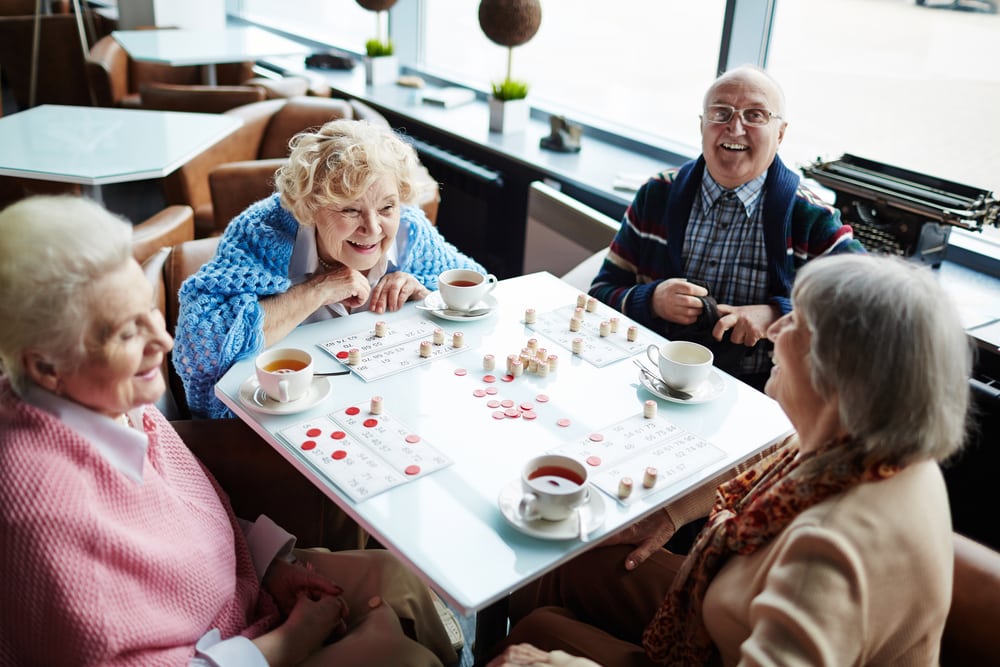
They can even learn and participate in brand-new activities like playing board games or learning new instruments to enhance their overall cognitive abilities. This way, they can prevent their focus and attention from deteriorating due to lack of usage.
Besides the aforementioned activities, aged care patients can also join classes and read books to boost their brain function. No one’s ever too old to learn, so participating in these forms of intellectual stimulation can be a great way to keep one’s brain from getting rusty beyond repair.
3- Avenue for Socialisation and Emotional Support
Elderly people in aged care facilities can get extremely lonely, especially if they remain cooped up in their rooms isolated from everyone else.
This can lead to them suffering from adverse health outcomes, such as depression, anxiety, and low self-esteem.
To overcome a depressive and downward spiral, elderly folks can find refuge by participating in social lifestyle activities offered by their aged care facilities.
For instance, Banfields Aged Care hosts movie nights for their elderly guests and their families to participate in. This can be a good time for guests to socialize with their loved ones and make new friends. There is also a BBQ station and piano lounge for these people to relax in.
By participating in even just one type of activity, these patients can improve their mood immediately and gain the benefits of socializing with others.
This includes developing new friendships, fostering a sense of community with others, and having emotional support in one way or another.
In turn, this can positively influence the mental health of the elderly individual, dramatically increasing their satisfaction and quality of life.
4- Increases Independence
It’s rare for elderly individuals to willingly relinquish their liberty to move around and do what they want to do.
But in some common cases, they can subconsciously be their own limiting factor by convincing themselves that they’re no longer able to do things freely due to their age and frailty.
This is where exploring lifestyle activities can cause a massive shift in mindset. When elderly individuals feel like they can still participate in physical activities and mental challenges, they’ll be confident in their abilities and feel satisfied with themselves and their capabilities.
In turn, this can maintain a sense of autonomy and self-sufficiency within themselves that can keep them happy. It’ll also help them rely less on others for their basic needs, which can help everyone involved.
5- Relieves Stress
Stress can affect people of all ages, and seniors are no exception. That said, participating in the right lifestyle activities can mitigate these feelings of stress and make them feel more relaxed.
Activities such as meditation, tai chi, and gentle stretching exercises are great measures to relieve oneself from stress. These techniques are calming and bring the focus back to one’s mind, which can promote a sense of inner peace and clarity.
Elderly individuals can also find stress relief from taking part in their hobbies, like painting, gardening, and singing or dancing. These creative self-care activities provide an outlet to allow these patients to express themselves creatively, which can be a great way to break away from the dryness of everyday life.
Aside from relieving stress, seniors who participate in their favorite lifestyle activities can also potentially reap the benefits of their specific activity.
For instance, seniors who like painting can feel a boost in mood and an increase in confidence from their work. On the other hand, seniors who like to take long walks around the block can gain better physical fitness due to their activity.
All these benefits, in turn, can make the seniors feel less stressed and significantly happier.
Read Also
- The Best Low-Maintenance Landscaping Ideas for Ontario/BC Homeowners
 For homeowners in Ontario and British Columbia, the yard is a sanctuary, but the maintenance required to keep it beautiful can often feel like a full-time job. Whether you are dealing with the humid, high-growth summers of Southern Ontario or the lush, moss-prone environments of the BC coast, the goal of modern landscaping has shifted:… Read more: The Best Low-Maintenance Landscaping Ideas for Ontario/BC Homeowners
 - Understanding the Impacts of Metabolic Rates on General HealthYour metabolic rate plays a bigger role in your health than you might think. It controls how your body turns food into energy every single day. When metabolism is balanced, you may feel more active and focused. If it slows down or speeds up too much, problems can appear. It can affect weight, energy levels,… Read more: Understanding the Impacts of Metabolic Rates on General Health
- When to Take Your Child to the Pediatrician vs. Urgent Care: A Practical GuideFew parenting decisions feel more uncertain than the one made at 9 PM with a feverish toddler in your lap. Is this a wait-until-morning situation? A drive-to-urgent-care situation? A call-the-pediatrician’s-after-hours-line situation? Knowing the framework for these decisions cuts down on stress, reduces unnecessary trips, and makes sure your child gets the right care at the… Read more: When to Take Your Child to the Pediatrician vs. Urgent Care: A Practical Guide
- Well-Child Visits Explained: What Happens at Each Checkup and Why They MatterWell-child visits are one of the most useful — and most underestimated — tools in pediatric care. Many parents think of them as a vaccination delivery system, but they’re actually structured developmental checkpoints designed to catch issues early, track healthy growth, and give parents a regular opportunity to ask questions about everything from sleep to… Read more: Well-Child Visits Explained: What Happens at Each Checkup and Why They Matter
- Sprained Ankle vs. Fracture: How to Tell the Difference and What to Do NextA rolled ankle is one of the most common injuries in everyday life — a missed step on a curb, an awkward landing during a pickup game, a slip on uneven ground. Most of the time it’s a sprain that heals with rest. Sometimes it’s actually a fracture, and the two can be surprisingly hard… Read more: Sprained Ankle vs. Fracture: How to Tell the Difference and What to Do Next
- Plantar Fasciitis, Bunions, and Heel Pain: When Conservative Care Isn’t EnoughFoot pain is often dismissed as a nuisance — something to push through, stretch out, or ignore until it goes away. And in fairness, many cases do resolve with rest, better shoes, and basic stretching. But certain conditions can quietly worsen for months or years before patients seek help, by which point conservative options have… Read more: Plantar Fasciitis, Bunions, and Heel Pain: When Conservative Care Isn’t Enough