


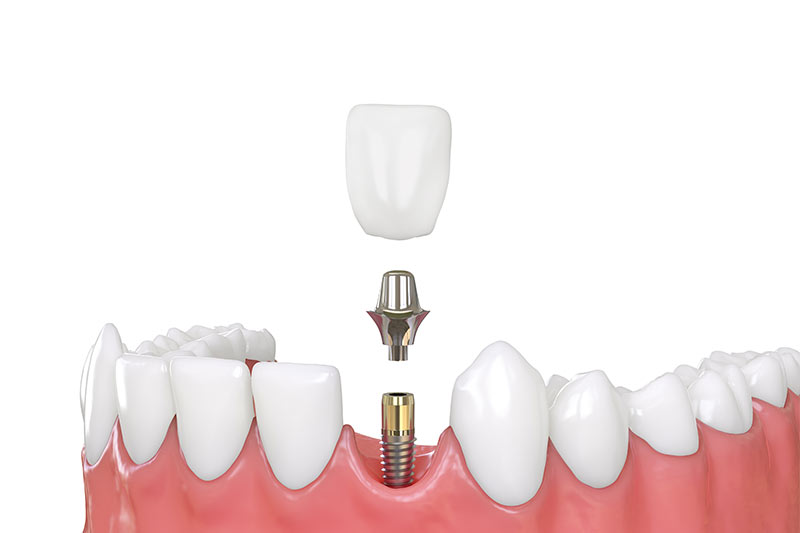
Losing teeth is an understandably distressing experience that nobody wishes to go through. There are plenty of reasons that teeth can be lost, including accidents, injuries, dietary causes, age, or illness. Teeth are an essential part of the digestive system as they break down food before it is processed by the body. Without strong teeth, an individual will likely struggle to meet their full nutritional needs due to the dietary restrictions a lack of teeth imposes upon them. There is also a serious psychological aspect to having few or no teeth. Being seen to have poor oral health can cause low self-esteem and difficulty maintaining positive social relationships. Dental implants are a fantastic method of restoring this vital part of the body and allowing people to live their lives to the fullest.
What Kind of Dental Implants Are Out There?
All On 4 dental implants are some of the most current implants in the field of tooth replacement, although they are not the only type. For people who have lost only one or two teeth from different areas of the mouth, single tooth implant replacements allow the patient to continue enjoying the majority of their natural teeth. For more extensive tooth loss, however, there are a variety of possible solutions. Unlike removable dentures which can be taken out at will, dental implants are surgically fitted to the patient’s jaw for a virtually permanent replacement.
What Do All On 4 Dental Implants Involve?
The reason that All On 4 dental implants are becoming more popular is their relative simplicity and ease. This includes the procedure itself and the recovery period, which is usually shorter and less painful than recovery from other forms of dental implant surgery. As the name suggests, All On 4 dentures consist of the entire arch and fit with only four implants. You can search for All On 4 dentures near Irvine to find out more about the process. In general, a full replacement can be achieved within twenty-four hours through accurate imaging and production of the final set of teeth. This is one of the major reasons people are so attracted by the benefits of All On 4 dental implants.
When is Someone a Suitable Patient for All On 4 Dental Implants?
This type of tooth replacement is best suited to patients who have lost the majority of their natural teeth. This applies to each arch separately since an individual may have viable teeth on their top set but not the bottom, or vice versa, and still be eligible for treatment. Candidates must have strong enough bones and gums for the implants to be supported. Unlike traditional dentures, the All On 4 variety isn’t removable and therefore doesn’t require any special cleaning or diet.
Tooth replacement is hardly a new industry. Being able to show off a full set of strong teeth has always been a point of pride for people in almost every society. Now more than ever, people have a wealth of options to choose from when it comes to restoring their smile, and the All On 4 denture is one of the latest advances in this field.
Read Also
- Full-Arch Dental Tourism: Why UK Patients With Severe Bone Loss Are Looking Abroad
 Dental implants have become one of the fastest-growing segments of private dentistry. Within that market, one patient group behaves very differently from the rest: people who have been told they do not have enough upper jawbone for conventional implants. For these patients, the choice is rarely between one clinic and another. It is between a… Read more: Full-Arch Dental Tourism: Why UK Patients With Severe Bone Loss Are Looking Abroad
 - Levels of Mental Health Care and When to Seek SupportMental health care can range from occasional outpatient appointments to 24-hour hospital treatment. The appropriate level depends on safety, symptom severity, daily functioning, medical needs, available support, treatment history and personal preferences. A licensed clinician should assess these factors rather than relying on a symptom list alone. Need help now? In the United States, call… Read more: Levels of Mental Health Care and When to Seek Support
- How to Choose a Shilajit Brand Based on the ResearchIn a randomized trial published in the Journal of the International Society of Sports Nutrition in 2019, 63 active men took 250 mg of standardized shilajit, 500 mg, or a placebo every day for eight weeks, and the benefit for strength retention after a fatiguing workout appeared only at 500 mg. For anyone choosing a… Read more: How to Choose a Shilajit Brand Based on the Research
- How to Incorporate Relaxation into Your Busy ScheduleFinding balance when you have a packed daily agenda often feels out of reach. Between work duties, family obligations, and personal projects, personal rest usually gets pushed to the bottom of the list. Small, intentional shifts in daily habits can help restore calm without requiring hours of extra free time. Continue reading to discover everything… Read more: How to Incorporate Relaxation into Your Busy Schedule
- Red Light Therapy for Skin and Wellness: Meet Vital Red Light TherapyModern wellness is not always about complicated treatments or long routines. Many people are now looking for simple, convenient ways to support their skin, recovery, and overall wellness at home. One technology getting more attention is red light therapy. Red light therapy uses specific wavelengths of red and near-infrared light to support the body’s natural… Read more: Red Light Therapy for Skin and Wellness: Meet Vital Red Light Therapy





