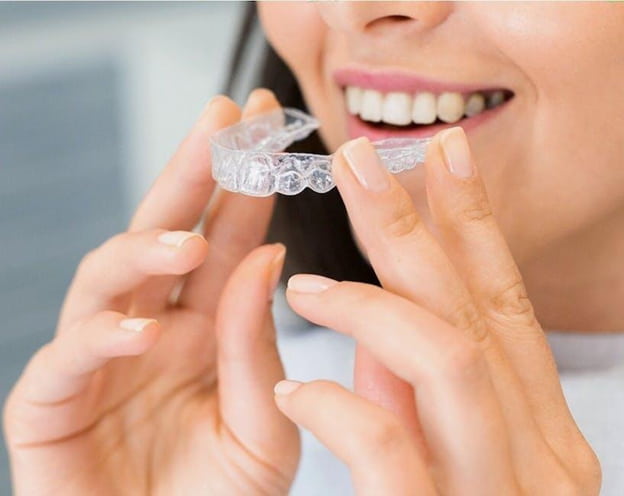
The dental aligner industry has grown quickly in the past decade. More people are choosing clear aligners instead of traditional braces because they are less noticeable and often more convenient.
While this growth has created new opportunities, it has also raised legal questions and practical challenges. Patients, dentists, and companies are still learning how to balance safety, quality, and regulation.
Legal Landscape of Dental Aligners
Dental aligners are considered medical devices in most countries. This means they must meet specific safety and quality standards. In the United States, the Food and Drug Administration (FDA) regulates them. In Europe, the CE marking system is used. These rules are meant to ensure that products are safe for use.
However, not all companies follow these rules strictly. Some direct-to-consumer brands sell aligners online without proper dental supervision. This raises questions about whether such sales are fully legal. It also puts patients at risk of using products that may not be designed for their specific dental needs. Clear guidelines are still being developed to handle these new business models.
Challenges with Direct-to-Consumer Models
The rise of online aligner companies has been both helpful and controversial. On one hand, they make dental treatment more affordable and accessible. On the other hand, they often limit or remove face-to-face dentist supervision. Without proper examinations, patients may not know if aligners are safe for their teeth or gums.
These legitimate complaints say a lot about the importance of oversight. Dentists argue that moving teeth without professional checks can cause long-term problems. Issues such as the following are real risks:
- gum disease
- tooth damage
- poor bite alignment
While customers like the lower cost, the trade-off is less personalized care.
Role of Dentists and Orthodontists
Dentists and orthodontists play a key role in the safe use of dental aligners. They can take accurate scans, track progress, and adjust treatment if needed. Many professionals worry that patients who skip these steps are not getting safe care. Some orthodontic associations have even spoken out against unsupervised aligner use.
From a legal standpoint, professionals are also concerned about liability. If a patient suffers harm while using an unsupervised aligner, who is responsible? The company may argue it only sold the device, while the patient did not seek professional advice. This grey area makes it difficult to assign clear responsibility.
Industry Regulation and Future Outlook
Governments and dental boards are now paying closer attention to the industry. Some regions are creating stricter rules for online aligner sales. Others are working to educate patients about the risks of unsupervised treatment. Industry leaders are also discussing ways to create safer systems that still allow affordability and accessibility.
Technology may help solve some of these issues. Remote monitoring tools, tele-dentistry, and AI-driven diagnostics are being developed. These tools can improve supervision while keeping costs down. Still, regulators will need to catch up with the rapid growth of the industry.
Learn More About the Dental Aligner Industry
The dental aligner industry faces both opportunities and challenges. Laws and regulations differ from place to place, which creates confusion for providers and patients.
Companies must balance innovation with compliance to avoid legal problems. Clear rules can help protect patient safety and build trust. Moving forward, addressing these challenges will support steady growth in the industry.
Looking for more tips and ideas? We’ve got you covered. Check out some of our other posts now.
Read Also
- What Today’s Patients Expect From Healthcare Brands
 Healthcare is no longer experienced only through appointments, prescriptions, or hospital visits. Patients now interact with healthcare brands through websites, mobile applications, educational articles, product instructions, customer support teams, social media, and online reviews. Every one of these interactions influences how people judge a company. This shift has raised expectations. Patients want accurate information, convenient… Read more: What Today’s Patients Expect From Healthcare Brands
 - Top Trends Shaping the Future of Mental Health CareMental health care is moving fast to meet daily human needs. People want direct care that fits modern life. Clinics respond by creating flexible options that make healing easier to reach. Providers look past rigid habits to give people solid care. From smart tools to body wellness, these changes help people find relief when life… Read more: Top Trends Shaping the Future of Mental Health Care
- Can Outsourced Telepsychiatry Help Healthcare Organizations Keep Pace With Modern Mental Health Screening?Mental healthcare is changing quickly, but many hospitals, clinics, schools, correctional facilities, and community health organizations do not have enough psychiatric professionals available to turn new screening approaches into timely clinical care. Outsourced telepsychiatry offers one way to close that gap. FasPsych, for example, connects healthcare organizations with psychiatrists, psychiatric nurse practitioners, and other behavioral… Read more: Can Outsourced Telepsychiatry Help Healthcare Organizations Keep Pace With Modern Mental Health Screening?
- Five operational checks for choking readiness in healthcare facilitiesA facility can have a choking poster on every wall and still be unprepared. Preparedness shows up when someone can recognize the emergency, call the right response, bring the right people and supplies to the room, and hand over clear information without losing time. That test belongs in operations as well as clinical education. The… Read more: Five operational checks for choking readiness in healthcare facilities
- Understanding the Demand for Correctional Healthcare ProfessionalsHave you ever wondered who cares for people when they get sick inside a prison? Many people do not realize that jails and prisons need skilled medical teams every single day. By reading this guide, you will learn why these important jobs are growing fast and how you can join this rewarding career field. Caring… Read more: Understanding the Demand for Correctional Healthcare Professionals
- Patient Engagement and Pharmaceutical Support Services: Building a Better Patient JourneyPatients rarely experience healthcare as a simple, linear process. They may need to understand a diagnosis, determine whether they qualify for a clinical trial, gather medical records, navigate insurance requirements, arrange transportation, learn how to use a medication, and stay engaged with treatment for months or years. Serva Health is one example of a specialist… Read more: Patient Engagement and Pharmaceutical Support Services: Building a Better Patient Journey
- Industrial Container Recycling and Waste Management Services: A Practical Guide for BusinessesIndustrial container recycling is an essential part of responsible waste management for manufacturers, warehouses, laboratories, automotive businesses, chemical companies, food processors, and other organizations that regularly handle bulk materials. A strong example is Kelly Drums, a Mid-Atlantic provider of reconditioned drums and comprehensive container management solutions. The company specializes in the pickup, recycling, reconditioning, and… Read more: Industrial Container Recycling and Waste Management Services: A Practical Guide for Businesses
- BCBA & RBT Salary by State 2026 | Behavior Analyst PayPay in applied behavior analysis is harder to pin down than in almost any other healthcare field. Two professionals with the same certification can earn $40,000 apart for no reason other than the state line between them. So before you accept an offer, ask for a raise, or relocate for a bigger paycheck, it helps… Read more: BCBA & RBT Salary by State 2026 | Behavior Analyst Pay