From hospitals and schools to transport hubs and food production sites, disinfection is central to breaking the chain of infection and protecting community health. The COVID-19 pandemic highlighted how crucial surface hygiene and environmental control are in reducing the spread of harmful microorganisms. Yet, beyond emergency response, routine and validated disinfection practices remain the cornerstone of safe and sustainable public health systems.
The Role of Disinfection in Community Safety
Everyday public spaces accommodate large volumes of people, creating countless opportunities for microbial transmission. Regular cleaning helps remove visible dirt, but it does not necessarily inactivate pathogens. Disinfection bridges that gap by eliminating or reducing microorganisms on contact surfaces, equipment, and high-touch areas.
Professional hygiene programmes apply science-based approaches to ensure consistent results. Factors such as contact time, concentration, and surface compatibility must be precisely managed to achieve effectiveness without damaging materials or introducing unnecessary risk. In sectors like healthcare and food handling, these principles form part of strict compliance frameworks designed to protect both workers and the public.
Building Trust Through Hygiene Compliance
Visible cleanliness contributes to public confidence, but measurable microbial control is what underpins true safety. Institutions that implement documented disinfection protocols not only reduce infection risks but also demonstrate regulatory accountability. In Europe, the Biocidal Products Regulation (BPR) defines standards for formulation safety, labelling, and efficacy testing, helping organisations choose products that meet defined performance criteria.
Consistent application of validated disinfection practices ensures continuity across teams and sites, supporting compliance with occupational hygiene and environmental health regulations. In sectors where certification and audits are routine, traceability of disinfectant use has become an essential part of quality assurance.
Selecting the Right Tools for Effective Surface Protection
Surfaces are among the most common vectors for microorganism transfer in shared environments. High-touch points such as tables, switches, and door handles demand frequent and reliable treatment. Selecting the right chemistry and format depends on both operational constraints and risk level.
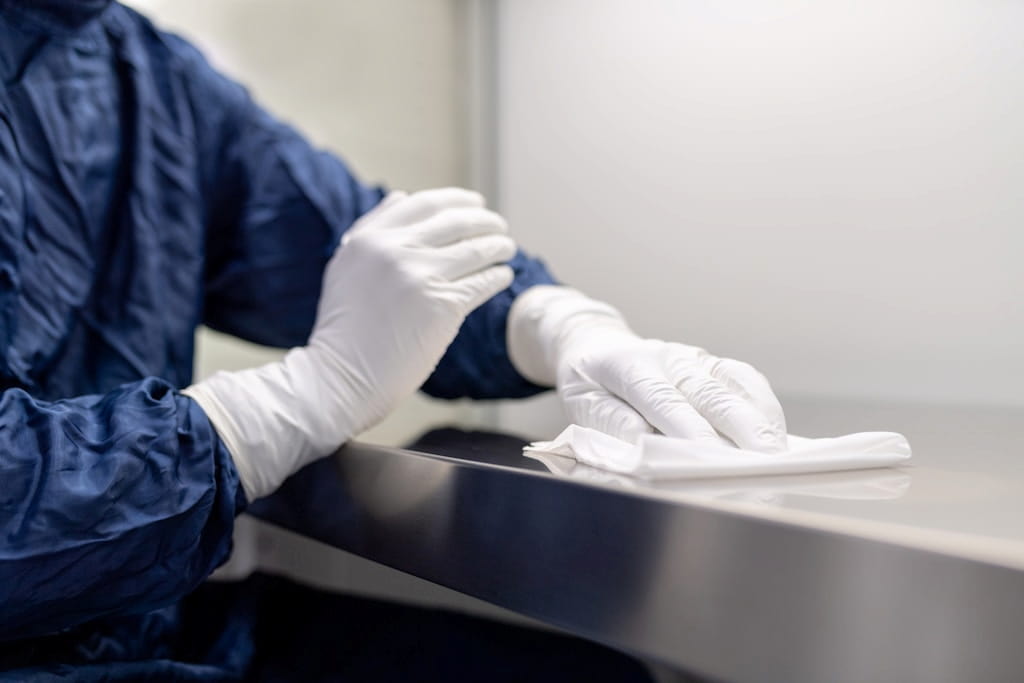
A professionally formulated surface disinfectant should provide proven efficacy against a broad spectrum of microorganisms while remaining compatible with materials found in public facilities. Ready-to-use liquids and pre-saturated wipes simplify daily routines and reduce preparation errors, supporting consistent results even under time pressure.
Effective hygiene planning also includes surface audits, staff training, and monitoring to confirm that disinfection procedures are followed correctly and that performance is maintained over time.
Sustainability and the Next Generation of Hygiene Solutions
Modern public health strategies increasingly integrate environmental sustainability with infection prevention. Disinfectants are now formulated to reduce volatile emissions, packaging waste, and environmental persistence while maintaining strong antimicrobial performance. Advances in formulation chemistry allow for lower concentrations of active ingredients, less rinse water, and improved material protection.
As cities, healthcare networks, and industrial facilities adapt to new hygiene expectations, these innovations make it possible to achieve both safety and environmental responsibility. The integration of automation, digital monitoring, and eco-designed chemistry represents the next step in protecting public health through smarter, more sustainable disinfection practices.
Did you find this helpful? Check out our other helpful articles on our website.
Read Also
- The Hidden Operational Cost of “Good Enough” IT in a Medical Practice
 Most medical practices do not think much about IT unless something starts going wrong. That makes sense. Practice owners are focused on patient care, staffing, scheduling, billing, revenue, compliance, and the daily pressure of keeping the office running. Office managers are usually handling ten things at once. Providers want rooms ready, systems available, and staff… Read more: The Hidden Operational Cost of “Good Enough” IT in a Medical Practice
 - Transforming Patient Care with Professional Healthcare Transcription ServicesIn today’s fast-paced healthcare environment, the need for precise and timely documentation cannot be overstated. Accurate documentation is not merely an ancillary task; it is a core element of delivering high-quality patient care. The ability to maintain compliance with regulations, enhance operational efficiency, and ensure the integrity of patient records has never been more critical.… Read more: Transforming Patient Care with Professional Healthcare Transcription Services
- Essential Steps to Launch Your Own Optometry PracticeLaunching your own optometry practice can be a thrilling and fulfilling journey. However, it requires careful planning, dedication, and an understanding of what it takes to succeed. With the growth in demand for eye care, more and more individuals are seeking to start their own practices. But how do you get there? This guide walks… Read more: Essential Steps to Launch Your Own Optometry Practice
- Compounding Pharmacy: Personalized Medication SolutionsA compounding pharmacy plays a vital role in modern healthcare by providing customized medications tailored to the specific needs of individual patients. Unlike mass-produced drugs manufactured by pharmaceutical companies, compounded medications are prepared by licensed pharmacists who carefully combine, adjust, or modify ingredients to create a formulation that best suits a patient’s unique medical requirements.… Read more: Compounding Pharmacy: Personalized Medication Solutions
- The Best Business Decision a Surgeon Ever Made: Ordering a Medical Equipment AppraisalMost surgeons don’t go into medicine because they love spreadsheets, valuations, or negotiating buy-ins. They go into medicine because they want to operate, treat patients, and build something meaningful over time. For one surgeon, that mindset worked perfectly, until the day another surgeon decided to buy into his practice. That moment exposed a problem he… Read more: The Best Business Decision a Surgeon Ever Made: Ordering a Medical Equipment Appraisal
- Creative Approaches to Alleviating Healthcare Staff ShortagesHospitals and clinics are facing staff shortages, which makes it harder to take care of patients well. Finding simple and useful solutions is very important. Easy changes like flexible work hours, good training, and chances to grow can help staff stay happy. Technology, like online doctor visits and helpful tools, can make work easier. Smart… Read more: Creative Approaches to Alleviating Healthcare Staff Shortages
- Understanding the Role of Sterilizers in Healthcare FacilitiesHave you ever wondered how hospitals keep their equipment safe enough to use on dozens of patients every day? Most people never think about what happens behind the scenes, yet these hidden steps play a huge role in patient safety. Sterilizers are part of that system, working quietly to remove harmful germs before any instrument… Read more: Understanding the Role of Sterilizers in Healthcare Facilities
- Building Healthcare Access Where It’s Needed Most: A Local First ApproachHealthcare shouldn’t depend on where you live. But in the U.S., it often does. If you’re in a big city, you likely have options. If you’re in a small town or an underserved neighbourhood, it’s a different story. To fix this, more healthcare leaders are turning to a local-first approach. That means putting clinics and… Read more: Building Healthcare Access Where It’s Needed Most: A Local First Approach