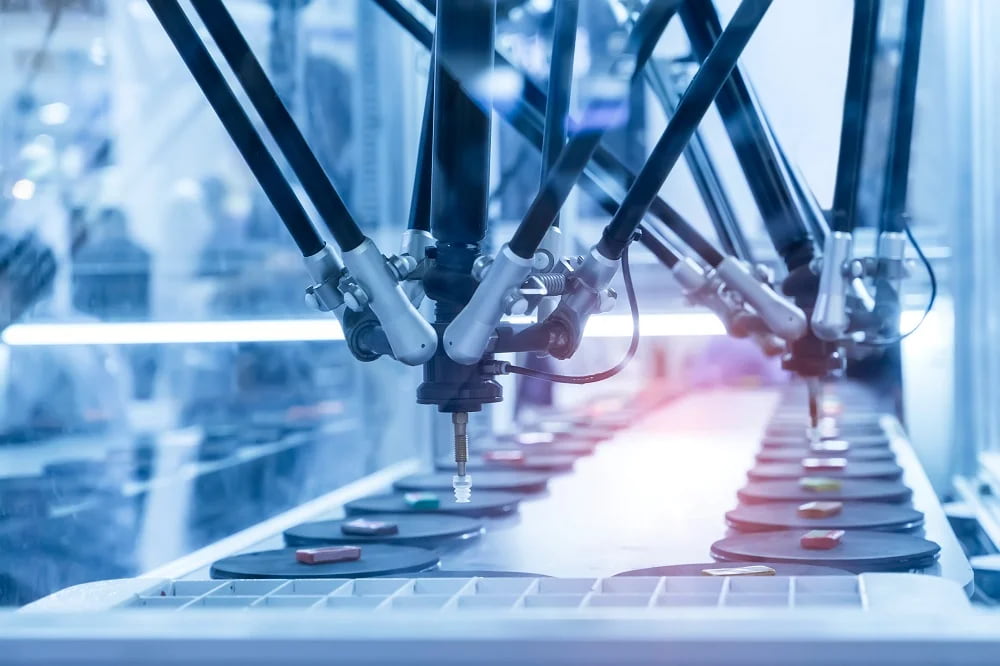
Metal cutting fiber lasers have revolutionized the manufacturing process of medical devices. These advanced lasers offer numerous benefits, including improved precision and higher cutting speeds. This article will explore the advancements in metal cutting fiber lasers and their applications in the medical field.
Overview of metal cutting fiber lasers
Metal cutting fiber lasers are advanced tools used in the manufacturing process of medical devices. They use a high-intensity laser beam generated by a fiber optic system to cut through metal with exceptional precision and accuracy. These lasers have revolutionized the field by offering numerous benefits and applications in medical device manufacturing.
Benefits of using metal cutting fiber lasers in medical devices manufacturing
Metal cutting fiber lasers offer several benefits in medical devices manufacturing. They provide exceptional precision and accuracy, ensuring clean and precise cuts. They also offer higher cutting speeds, leading to increased efficiency and productivity in the manufacturing process. Additionally, these lasers are versatile and can be used for a wide range of applications, including the cutting of surgical instruments and fabrication of medical implants. Using metal cutting fiber lasers in medical device manufacturing can significantly improve the quality and reliability of the final products.
Advancements in Metal Cutting Fiber Lasers
Advancements in metal cutting fiber lasers have revolutionized the field of medical device manufacturing. These lasers now offer improved precision and accuracy, allowing for even cleaner and more precise cuts. Additionally, they have higher cutting speeds, leading to increased efficiency and productivity in the manufacturing process. These advancements have made metal cutting fiber lasers an essential tool in producing high-quality medical devices.
Improved precision and accuracy
Improved precision and accuracy are some of the key advancements in metal cutting fiber lasers. These lasers offer incredibly precise cuts, allowing for the production of high-quality medical devices with minimal errors or imperfections. Manufacturers can rely on the consistency and accuracy of these lasers to create intricate and complex components with utmost precision.
Higher cutting speeds and efficiency
Metal cutting fiber lasers offer higher cutting speeds and improved efficiency compared to traditional cutting methods. This allows medical device manufacturers to increase productivity, reduce production time, and meet growing demands in the industry.
Applications of Metal Cutting Fiber Lasers in Medical Devices
Metal cutting fiber lasers have various applications in the manufacturing of medical devices. They are used for precision cutting of surgical instruments, as well as the fabrication of medical implants.
Precision cutting of surgical instruments
Metal cutting fiber lasers are used to achieve precision cutting of surgical instruments. These lasers provide high levels of accuracy, allowing for intricate designs and precise measurements. This ensures that the surgical instruments meet the required specifications for optimal performance in medical procedures.
Fabrication of medical implants
Metal cutting fiber lasers also play a crucial role in the fabrication of medical implants. These lasers enable precise and accurate cutting, shaping, and engraving of materials like titanium and stainless steel to create custom-made implants that perfectly fit the patient’s anatomy. This ensures optimal functionality and reduces the risk of complications during implantation procedures.
Key Considerations for Medical Devices Manufacturers
When it comes to using metal cutting fiber lasers in medical devices manufacturing, there are a few key considerations for manufacturers. They need to choose the right laser system that meets their specific requirements and ensure safety and compliance with regulations.
Discover how Kern Laser Systems is revolutionizing the manufacturing with their innovative metal cutting fiber lasers.
By taking these factors into account, manufacturers can optimize their processes and deliver high-quality medical devices.
Choosing the right metal cutting fiber laser
When choosing a metal cutting fiber laser for medical devices manufacturing, manufacturers should consider factors such as power output, beam quality, and compatibility with different materials. It is important to select a laser that meets specific requirements and ensures high precision and efficiency in the manufacturing process.
Ensuring safety and compliance
Manufacturers must prioritize safety and compliance when using metal cutting fiber lasers. It is essential to follow industry regulations, implement proper safety measures, and provide training to operators to ensure a safe working environment and meet quality standards.
Conclusion
In conclusion, metal cutting fiber lasers have revolutionized the manufacturing process of medical devices. With improved precision and efficiency, these lasers offer significant benefits for the production of surgical instruments and medical implants. Manufacturers must carefully select the right laser and prioritize safety measures to ensure compliance with industry standards.
Summary of benefits and recommendations for implementation
Metal cutting fiber lasers have revolutionized medical device manufacturing by providing improved precision and efficiency. Manufacturers should choose the right laser for their specific needs and prioritize safety measures to ensure compliance with industry standards. Incorporating these lasers can lead to enhanced productivity and high-quality medical devices.
Did you find this helpful? Check out our other helpful articles on our website.
Read Also
- Understanding the Impacts of Metabolic Rates on General Health
 Your metabolic rate plays a bigger role in your health than you might think. It controls how your body turns food into energy every single day. When metabolism is balanced, you may feel more active and focused. If it slows down or speeds up too much, problems can appear. It can affect weight, energy levels,… Read more: Understanding the Impacts of Metabolic Rates on General Health
 - When to Take Your Child to the Pediatrician vs. Urgent Care: A Practical GuideFew parenting decisions feel more uncertain than the one made at 9 PM with a feverish toddler in your lap. Is this a wait-until-morning situation? A drive-to-urgent-care situation? A call-the-pediatrician’s-after-hours-line situation? Knowing the framework for these decisions cuts down on stress, reduces unnecessary trips, and makes sure your child gets the right care at the… Read more: When to Take Your Child to the Pediatrician vs. Urgent Care: A Practical Guide
- Well-Child Visits Explained: What Happens at Each Checkup and Why They MatterWell-child visits are one of the most useful — and most underestimated — tools in pediatric care. Many parents think of them as a vaccination delivery system, but they’re actually structured developmental checkpoints designed to catch issues early, track healthy growth, and give parents a regular opportunity to ask questions about everything from sleep to… Read more: Well-Child Visits Explained: What Happens at Each Checkup and Why They Matter
- Sprained Ankle vs. Fracture: How to Tell the Difference and What to Do NextA rolled ankle is one of the most common injuries in everyday life — a missed step on a curb, an awkward landing during a pickup game, a slip on uneven ground. Most of the time it’s a sprain that heals with rest. Sometimes it’s actually a fracture, and the two can be surprisingly hard… Read more: Sprained Ankle vs. Fracture: How to Tell the Difference and What to Do Next
- Plantar Fasciitis, Bunions, and Heel Pain: When Conservative Care Isn’t EnoughFoot pain is often dismissed as a nuisance — something to push through, stretch out, or ignore until it goes away. And in fairness, many cases do resolve with rest, better shoes, and basic stretching. But certain conditions can quietly worsen for months or years before patients seek help, by which point conservative options have… Read more: Plantar Fasciitis, Bunions, and Heel Pain: When Conservative Care Isn’t Enough
- Is Joint Replacement Right for You? Questions to Ask Before SurgeryJoint replacement is one of the most successful procedures in modern medicine — but it’s still major surgery, and it’s not the right answer for everyone. If chronic hip or knee pain has reached the point where you’re considering replacement, the questions you ask before scheduling can shape your outcome as much as the procedure… Read more: Is Joint Replacement Right for You? Questions to Ask Before Surgery
- When Knee Pain Won’t Go Away: Signs It’s Time to See an Orthopedic SpecialistKnee pain is one of those things many people try to ignore — until it starts limiting what they can do. A twinge after a workout is one thing; pain that lingers for weeks, swells without explanation, or makes the stairs feel like a mountain is something else entirely. Knowing when to stop self-treating and… Read more: When Knee Pain Won’t Go Away: Signs It’s Time to See an Orthopedic Specialist
- Amen Clinics Los Angeles: A Big Deal in Mental Health TreatmentKey Takeaways At Amen Clinics Los Angeles, they leverage cutting-edge SPECT imaging to map out brain activity, which in turn shapes personalized mental health treatment plans. This method leads to a sharper focus on the root causes of issues like anxiety and depression. The treatment plans at Amen Clinics are designed to meet individual needs,… Read more: Amen Clinics Los Angeles: A Big Deal in Mental Health Treatment