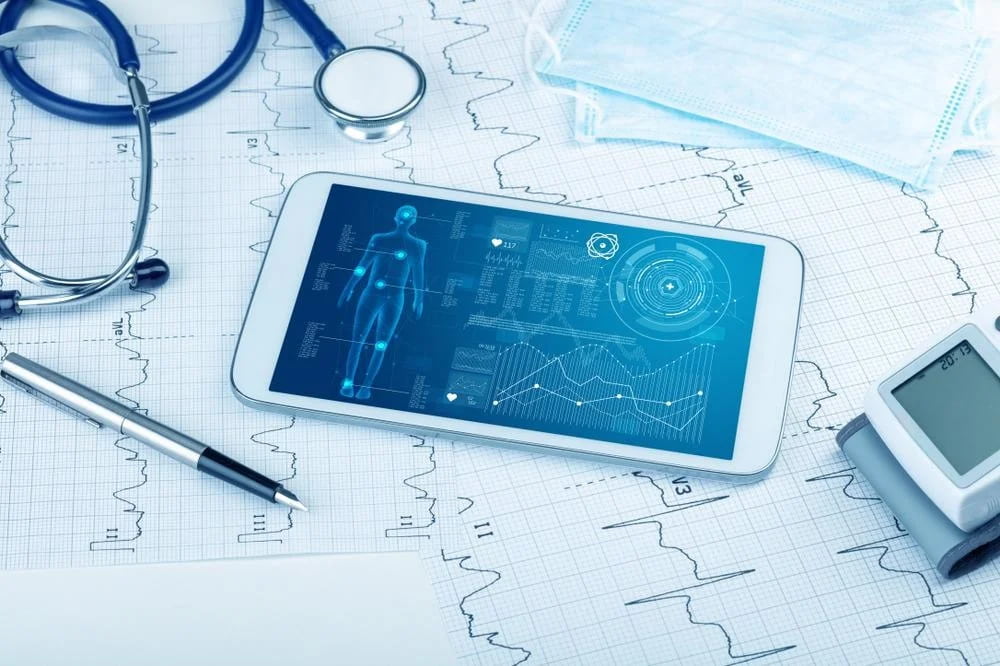
In the digital age, where almost every aspect of our lives is connected with technology, healthcare is no exception. It’s something we don’t often think about, but it’s at the forefront of some of the most exciting tech advancements.
So what does this mean for you? Now, you might be thinking, “How exactly is all this happening?” Well, that’s exactly what we’re diving into in this blog. From electronic health records to AI-powered diagnostics, we’re unpacking how smart tech is revolutionizing healthcare as we know it.
So, keep reading because there’s a lot to unpack, and it’s all fascinating!
Enhancing Diagnostic and Treatment Accuracy
Accuracy plays a big role when talking about getting better at diagnosing and treating diseases. Now, you might be thinking how? Well, that’s with metrology in healthcare. Yes, that’s right! Metrology isn’t just for measuring things in science labs. In fact, it has become a crucial part of modern healthcare, too.
Imagine a scenario where a doctor needs to figure out what’s wrong with a patient. Here, metrology ensures that all the diagnostic equipment, like X-ray machines and blood glucose meters, are giving precise readings. This accuracy is vital for diagnosis.
But what does all this mean for health centers? To know about how this leads to better health outcomes, you can read here and find out. By investing in advanced metrology machines, you can enhance your ability to diagnose and treat patients accurately. This improves the quality of healthcare and boosts the confidence of both healthcare professionals and patients.
Operational Efficiency Through Technology
Think about all the paperwork and data entry in a health center. That’s a lot, right? Well, with technology and automation, many of these tasks are now handled by smart systems. This means fewer errors, faster processing, and more time for staff to focus on what really matters – patient care.
Apart from that, there are advanced scheduling systems. These aren’t your average calendars. They’re smart, intuitive, and can juggle multiple schedules at once. For patients, this means easier appointment booking and fewer frustrating waits. For health centers, it means optimized schedules, reduced no-shows, and a smoother flow of patients. It’s a win-win situation!
And don’t forget about supply chain management. This might sound a bit technical, but it’s super important. With the right technology, health centers can track their supplies better, from medicines to medical equipment. This leads to less waste and more savings and ensures that the right materials are always available when needed.
Technology in Patient Care and Management
In the dynamic world of healthcare, technology is making a huge impact, especially in patient care and management. And guess what? It’s not just about making things easier or more efficient; it’s about boosting profitability for healthcare centers.
But the question is how? Well, that’s where telemedicine and remote patient monitoring jump in. These innovations are like having a doctor’s visit without actually going to the doctor’s office. Patients can have consultations, follow-ups, and even some types of check-ups from the comfort of their homes through video calls or remote monitoring devices.
This convenience not only makes patients happier but also allows healthcare centers to cater to more patients without the need for larger physical spaces. Plus, it opens up new revenue streams by reaching patients in remote areas.
Data Analytics and Predictive Healthcare
Big data in healthcare refers to the massive amounts of health-related information collected from various sources like electronic health records, medical imaging, and even wearable tech. This data is a gold mine for understanding patient trends, treatment outcomes, and disease patterns.
Other than that, there’s predictive analytics. This is where things get really exciting! Predictive analytics uses this vast data pool to foresee future health trends and patient needs. It acts like a high-tech crystal ball that helps doctors and health centers anticipate and prevent illnesses before they even occur. This isn’t just good for health; it’s also great for the health center’s budget.
How? Well, early disease management means fewer emergency cases and hospital readmissions. This translates to lower operational costs for health centers and more efficient use of resources. Additionally, by managing diseases more effectively, healthcare centers can improve patient outcomes, increasing patient satisfaction and retention rates. After all, happy patients mean loyal patients, and this loyalty is key to a healthcare center’s profitability.
Last Words
Finally, it’s clear that technology is not just a part of modern healthcare – it’s a driving force reshaping it. And the true beauty of this technological revolution in healthcare lies in its dual benefit – it enhances patient care while simultaneously boosting the financial health of healthcare centers. It’s a win-win scenario where the best patient outcomes align perfectly with optimal operational efficiency. So, whether you’re a healthcare professional, a patient, or simply an enthusiast of medical technology, there’s much to be excited about.
Did you find this helpful? Check out our other helpful articles on our website.
Read Also
- Full-Arch Dental Tourism: Why UK Patients With Severe Bone Loss Are Looking Abroad
 Dental implants have become one of the fastest-growing segments of private dentistry. Within that market, one patient group behaves very differently from the rest: people who have been told they do not have enough upper jawbone for conventional implants. For these patients, the choice is rarely between one clinic and another. It is between a… Read more: Full-Arch Dental Tourism: Why UK Patients With Severe Bone Loss Are Looking Abroad
 - Levels of Mental Health Care and When to Seek SupportMental health care can range from occasional outpatient appointments to 24-hour hospital treatment. The appropriate level depends on safety, symptom severity, daily functioning, medical needs, available support, treatment history and personal preferences. A licensed clinician should assess these factors rather than relying on a symptom list alone. Need help now? In the United States, call… Read more: Levels of Mental Health Care and When to Seek Support
- How to Choose a Shilajit Brand Based on the ResearchIn a randomized trial published in the Journal of the International Society of Sports Nutrition in 2019, 63 active men took 250 mg of standardized shilajit, 500 mg, or a placebo every day for eight weeks, and the benefit for strength retention after a fatiguing workout appeared only at 500 mg. For anyone choosing a… Read more: How to Choose a Shilajit Brand Based on the Research
- How to Incorporate Relaxation into Your Busy ScheduleFinding balance when you have a packed daily agenda often feels out of reach. Between work duties, family obligations, and personal projects, personal rest usually gets pushed to the bottom of the list. Small, intentional shifts in daily habits can help restore calm without requiring hours of extra free time. Continue reading to discover everything… Read more: How to Incorporate Relaxation into Your Busy Schedule
- Red Light Therapy for Skin and Wellness: Meet Vital Red Light TherapyModern wellness is not always about complicated treatments or long routines. Many people are now looking for simple, convenient ways to support their skin, recovery, and overall wellness at home. One technology getting more attention is red light therapy. Red light therapy uses specific wavelengths of red and near-infrared light to support the body’s natural… Read more: Red Light Therapy for Skin and Wellness: Meet Vital Red Light Therapy
- Managing Shock Loss After a Hair Transplant: The Financial and Clinical Imperative of Post-Op CareIn the rapidly evolving landscape of private healthcare, executive leadership within cosmetic and restorative surgery clinics faces a dual challenge: maintaining strict clinical standards while maximizing patient lifetime value (LTV) and brand advocacy. As the global medical tourism and elective procedure markets expand, clinical outcome quality alone is no longer the sole differentiator for premium… Read more: Managing Shock Loss After a Hair Transplant: The Financial and Clinical Imperative of Post-Op Care
- Transform Your Skin Health: Premier Gluta IV Therapy in DubaiThis comprehensive guide explores how modern intravenous wellness treatments can help revitalize your complexion, boost immune function, and support overall cellular health. By incorporating modern IV therapy Dubai services into a routine health regimen, individuals can achieve direct nutrient absorption for optimal results. Selecting a customized gluta IV drip Dubai treatment provides targeted antioxidant defense,… Read more: Transform Your Skin Health: Premier Gluta IV Therapy in Dubai
- The Evolution of Dental Prosthetics: Innovation in Oral HealthDental replacements have improved a lot over time. Smiling, chewing, and speaking depend on having healthy teeth. When teeth break or go missing, today’s options can restore both function and confidence. Modern techniques make these replacements feel and look completely natural. Ancient Roots Of Tooth Replacement People have tried to replace lost teeth for thousands… Read more: The Evolution of Dental Prosthetics: Innovation in Oral Health