As we age, maintaining balance becomes increasingly important for preserving independence and overall well-being. Balance loss, often associated with aging, can have a significant impact on the quality of life for older adults and their caregivers. From increased risk of falls to social isolation and cognitive decline, balance issues can affect various aspects of daily life. In this article, we’ll explore the causes and consequences of balance loss in older adults, as well as strategies for improving balance and enhancing quality of life.
Understanding Balance Loss
Balance loss, also known as disequilibrium, occurs when the body’s ability to maintain stability and coordination is compromised. In older adults, balance issues can stem from a variety of factors, including changes in sensory perception, muscle weakness, and age-related changes in the vestibular system. Common risk factors for balance problems include certain medications, chronic health conditions such as arthritis or neuropathy, and environmental factors such as poor lighting or uneven surfaces. Understanding these factors is crucial for effectively addressing balance issues and preventing falls in older adults. By addressing these factors holistically, older adults can take proactive steps to improve their balance and overall quality of life.
Impact on Daily Activities
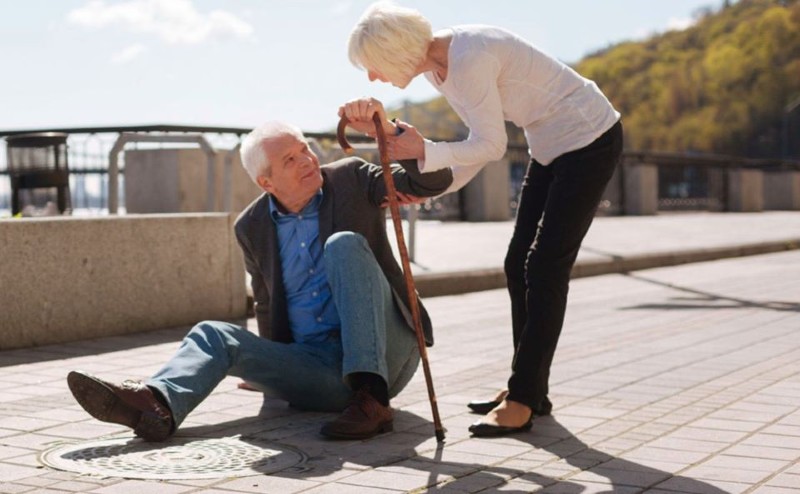
The consequences of balance loss extend beyond physical discomfort, affecting various aspects of daily life. Older adults with balance issues may experience difficulty with mobility and walking, leading to limitations in performing routine tasks such as household chores or shopping. Additionally, the fear of falling can result in social withdrawal and decreased participation in activities, further exacerbating feelings of isolation and loneliness for older adults and their caregivers. Implementing strategies to improve balance and mobility can help older adults regain confidence and maintain independence in their daily activities. By incorporating regular physical activity and balance exercises into their routine, older adults can improve their strength and coordination, reducing their risk of falls and enhancing their ability to engage in daily activities.
Social and Emotional Consequences
The social and emotional consequences of balance loss can be profound, impacting mental health and overall well-being. Older adults who fear falling may become increasingly cautious and avoid leaving their homes, leading to social isolation and decreased engagement with family and friends. Furthermore, the loss of confidence associated with balance issues can contribute to feelings of anxiety and depression, further diminishing the quality of life for older adults and their caregivers. Seeking support from healthcare professionals and participating in social activities can help older adults overcome feelings of isolation and improve their emotional well-being. By fostering meaningful connections with others and staying engaged in social activities, older adults can maintain a sense of purpose and belonging, enhancing their overall quality of life.
Nutritional Considerations for Balance and Quality of Life
Proper nutrition plays a crucial role in maintaining balance and overall health in older adults. A balanced diet rich in essential nutrients such as calcium, vitamin D, and magnesium is essential for supporting bone health and reducing the risk of fractures associated with falls. Additionally, staying hydrated and consuming adequate protein is important for preserving muscle strength and function, which are key components of balance and stability. Incorporating balance-friendly foods into the diet, such as leafy greens, dairy products, and lean proteins, can help older adults optimize their nutritional intake and support their overall well-being.
Cognitive Implications of Balance Loss
The relationship between balance and cognitive function in older adults is complex and multifaceted. Research suggests that there may be a bidirectional relationship between balance and cognitive function, with declines in one area often associated with declines in the other. Furthermore, balance loss has been linked to an increased risk of cognitive decline and dementia in older adults, highlighting the importance of addressing balance issues early and implementing strategies to promote cognitive health. Engaging in activities that challenge the mind, such as puzzles, games, and lifelong learning, can help older adults preserve cognitive function and reduce their risk of cognitive impairment related to balance issues. By incorporating cognitive health strategies into balance rehabilitation programs, older adults can maintain cognitive health and enhance their overall quality of life.
Strategies for Improving Balance and Quality of Life
Fortunately, there are several strategies that older adults can implement to improve balance and enhance quality of life. Exercise and physical therapy interventions focused on balance training and strength exercises can help improve stability and reduce the risk of falls. Additionally, assistive devices such as canes or walkers can provide added support and stability when navigating challenging environments. Creating a safe and supportive home environment by removing clutter and installing grab bars can also help reduce the risk of falls and promote independence in daily activities. By incorporating a variety of strategies into their daily routine, older adults can improve their balance, reduce their risk of falls, and enhance their overall quality of life.
Importance of Early Detection and Intervention
Early detection and intervention are key to effectively managing balance issues and preventing further decline in older adults. Healthcare professionals play a crucial role in assessing balance and identifying underlying causes of balance loss. Screening tools such as the Timed Up and Go test or the Berg Balance Scale can help identify individuals at risk of falls and guide appropriate interventions. By addressing balance issues early and implementing targeted interventions, older adults can reduce their risk of falls, improve mobility, and enhance overall quality of life. Regular check-ups and open communication with healthcare providers are essential for monitoring balance and addressing any changes or concerns in older adults and their caregivers. By staying proactive and seeking timely intervention, older adults can maintain their independence and vitality as they age.
Conclusion
In conclusion, balance loss can have a significant impact on the quality of life for older adults, affecting physical, social, and emotional well-being. By understanding the causes and consequences of balance issues and implementing appropriate interventions, older adults can reduce their risk of falls, improve mobility, and enhance overall quality of life. Remember, it’s never too late to prioritize balance and take proactive steps to maintain independence and vitality as we age.
Pat Baker is a volunteer caregiver, a member of a multigenerational home, and a writer for home care agencies in the Philadelphia area.
Did you find this helpful? Check out our other helpful articles on our website.
Read Also
- What Makes Permanent Tooth Replacement A Life-Changing Option?
 Missing teeth can cause serious discomfort and lower your self-esteem. Many people struggle with everyday tasks like eating meals and speaking clearly to friends. Traditional dentures offer a quick fix but often slip or feel completely unnatural. A modern approach provides a secure fit that feels exactly like real teeth – giving you true peace… Read more: What Makes Permanent Tooth Replacement A Life-Changing Option?
 - Where to Find Reliable Mental Health Support for TeensHave you noticed changes in your teen’s mood, sleep, or behavior that leave you worried? Growing up can bring stress from school, friends, family, and new demands. Some teens may struggle to share their feelings or ask for help, even when they need support. Finding the right mental health support for teens can help them… Read more: Where to Find Reliable Mental Health Support for Teens
- Top Trends Shaping the Future of Mental Health CareMental health care is moving fast to meet daily human needs. People want direct care that fits modern life. Clinics respond by creating flexible options that make healing easier to reach. Providers look past rigid habits to give people solid care. From smart tools to body wellness, these changes help people find relief when life… Read more: Top Trends Shaping the Future of Mental Health Care
- Full-Arch Dental Tourism: Why UK Patients With Severe Bone Loss Are Looking AbroadDental implants have become one of the fastest-growing segments of private dentistry. Within that market, one patient group behaves very differently from the rest: people who have been told they do not have enough upper jawbone for conventional implants. For these patients, the choice is rarely between one clinic and another. It is between a… Read more: Full-Arch Dental Tourism: Why UK Patients With Severe Bone Loss Are Looking Abroad
- Levels of Mental Health Care and When to Seek SupportMental health care can range from occasional outpatient appointments to 24-hour hospital treatment. The appropriate level depends on safety, symptom severity, daily functioning, medical needs, available support, treatment history and personal preferences. A licensed clinician should assess these factors rather than relying on a symptom list alone. Need help now? In the United States, call… Read more: Levels of Mental Health Care and When to Seek Support
- How to Choose a Shilajit Brand Based on the ResearchIn a randomized trial published in the Journal of the International Society of Sports Nutrition in 2019, 63 active men took 250 mg of standardized shilajit, 500 mg, or a placebo every day for eight weeks, and the benefit for strength retention after a fatiguing workout appeared only at 500 mg. For anyone choosing a… Read more: How to Choose a Shilajit Brand Based on the Research
- How to Incorporate Relaxation into Your Busy ScheduleFinding balance when you have a packed daily agenda often feels out of reach. Between work duties, family obligations, and personal projects, personal rest usually gets pushed to the bottom of the list. Small, intentional shifts in daily habits can help restore calm without requiring hours of extra free time. Continue reading to discover everything… Read more: How to Incorporate Relaxation into Your Busy Schedule
- Red Light Therapy for Skin and Wellness: Meet Vital Red Light TherapyModern wellness is not always about complicated treatments or long routines. Many people are now looking for simple, convenient ways to support their skin, recovery, and overall wellness at home. One technology getting more attention is red light therapy. Red light therapy uses specific wavelengths of red and near-infrared light to support the body’s natural… Read more: Red Light Therapy for Skin and Wellness: Meet Vital Red Light Therapy