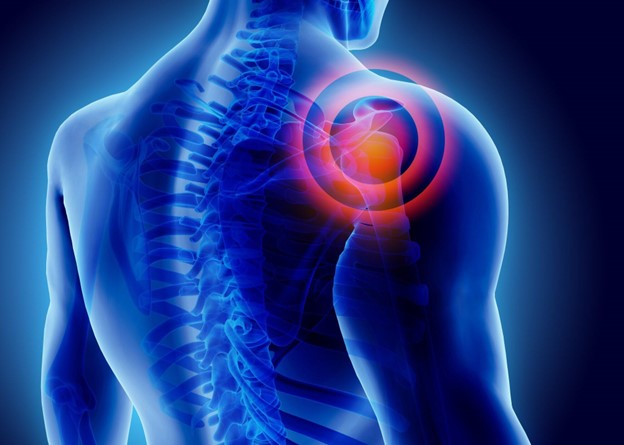
Shoulders are some of the hardest working parts of your body. They can also be a source of pain and discomfort. Whether you’re an athlete, a weekend warrior, or just someone who woke up on the wrong side of the bed, shoulder injuries can significantly impact your daily life.
Fortunately, an orthopedics shoulder specialist is here to help. Here’s a look at the most common shoulder issues they treat.
Rotator Cuff Tear
The rotator cuff is a crucial group of muscles and tendons. It plays a vital role in maintaining shoulder stability and facilitating arm movements like lifting and rotating. A tear in this area can result from various factors such as:
– repetitive use
– the natural process of aging
– sudden injury
Common symptoms of rotator cuff tears encompass persistent pain, noticeable weakness, and a restricted range of motion. Orthopedic specialists conduct a comprehensive physical examination. This is coupled with diagnostic imaging tests to diagnose the condition.
Treatment options for a rotator cuff tear may range from a conservative approach. Things like rest and physical therapy to more invasive interventions such as surgical repair, especially in cases of severe damage.
Frozen Shoulder
Frozen shoulder is also known as adhesive capsulitis. A frozen shoulder is exactly what it sounds like, your shoulder is stuck in place. This condition can turn the simple act of reaching for a cereal box into an impossible task.
It happens when the shoulder capsule thickens and tightens, leaving less room for movement. A frozen shoulder typically takes a long time to develop and can be quite painful. Orthopedic specialists often recommend physical therapy exercises combined with anti-inflammatory medication.
In some cases, cortisone injections may also be utilized to reduce inflammation and pain. Surgery is usually reserved for those who do not respond well to non-invasive treatments.
Dislocated Shoulder
Shoulder dislocation happens when your upper arm bone pops out of the shoulder socket. This causes immediate pain and inability to move the arm. This can occur due to a fall, a direct blow, or an awkward twist of the arm.
Treatment starts with the non-surgical approach of manipulation or reduction to reposition the bone. After the initial treatment, orthopedic specialists might recommend physical therapy. This is to strengthen the shoulder muscles and restore range of motion.
In cases where dislocations become recurrent or the damage to surrounding tissues is significant, shoulder surgery might become necessary. Surgical options can range from invasive arthroscopy to more complex procedures.
Arthritis of the Shoulder
Just like a rusty hinge, arthritis can make moving your shoulder a creaky and painful experience. This condition occurs when the cartilage that cushions the ends of your bones wears down over time. This leads to pain, stiffness, and decreased mobility.
Orthopedic specialists may recommend physical therapy, medication, and lifestyle modifications to manage the symptoms. In extreme cases, surgical interventions such as joint replacement may be necessary.
Discovering the Common Injuries Treated by an Orthopedics Shoulder Specialist
Orthopedics shoulder specialist is expert and experienced in diagnosing and treating these common shoulder issues. If you’re experiencing any pain or discomfort in your shoulder, don’t hesitate to seek their help.
With the right treatment, you can get back to your active lifestyle without any shoulder troubles holding you back. Keep your shoulders healthy and strong! Remember, prevention is always better than cure when it comes to protecting your joints!
Did you find this article helpful? Check out the rest of our blogs!
Read Also
- The Rise of Holistic Health: Integrating Mind, Body, and Spirit
 Finding balance in a fast-paced world often feels like a constant struggle. Many people spend years chasing quick fixes for their energy levels or mood swings, only to end up back at square one. Real wellness happens when every piece of your daily routine aligns. Focusing on the complete picture changes everything. Holistic health centers… Read more: The Rise of Holistic Health: Integrating Mind, Body, and Spirit
 - Whitening, Bonding or Veneers? Matching the Right Cosmetic Treatment to Your SmilePeople rarely walk into a consultation asking for a specific procedure. They walk in with a complaint. My teeth look yellow in photos. There is a chip in my front tooth. One tooth sits behind the others. The job of a good cosmetic consult is translating that complaint into the least invasive treatment that actually… Read more: Whitening, Bonding or Veneers? Matching the Right Cosmetic Treatment to Your Smile
- Hair Transplant vs Non-Surgical Hair Restoration: How Clinics Decide the Right ApproachHair loss treatment is no longer limited to choosing between medication and surgery. Modern hair restoration clinics offer several options, including medical treatment, platelet-based procedures, laser therapy, scalp treatments and hair transplantation. Having more options can be helpful, but it can also make the decision confusing. A person with early thinning may assume that a… Read more: Hair Transplant vs Non-Surgical Hair Restoration: How Clinics Decide the Right Approach
- The Role of Prosthodontics in Modern Restorative DentistryRestorative dentistry brings together patient care and smart office management. Dental offices today face more requests for full-mouth fixes and cosmetic work. Adding advanced repair skills helps teams handle tough cases with more success. Dental groups that build these skills can offer more to their patients. This shift grows skills and keeps patients coming back.… Read more: The Role of Prosthodontics in Modern Restorative Dentistry
- Day Treatment for Mental Health in Pasadena: A Vital ResourceKey Takeaways In Pasadena, day treatment programs offer a flexible alternative to hospitalization, with approaches tailored to enhance recovery based on the needs of each individual. By focusing on personal strengths and vulnerabilities, personalized care strategies can significantly improve treatment outcomes. This active participation in treatment planning empowers clients in their recovery journeys. Participants in… Read more: Day Treatment for Mental Health in Pasadena: A Vital Resource
- Childhood Allergies and Asthma: Signs, Triggers, and When to See a PediatricianAllergies and asthma are two of the most common chronic conditions of childhood, and they often travel together. For parents, the challenge is that their signs — coughing, congestion, itchy eyes, wheezing — overlap with ordinary colds, which makes it easy to under-recognize a pattern that deserves attention. Understanding what to watch for helps you… Read more: Childhood Allergies and Asthma: Signs, Triggers, and When to See a Pediatrician
- Newborn Care in the First Weeks: A Practical Guide for New ParentsBringing a newborn home is one of life’s great joys — and, for most parents, one of its most disorienting stretches. The first few weeks are a blur of feeding, diapering, and very little sleep, punctuated by a hundred small questions. A little grounding in the basics makes those weeks less overwhelming and helps you… Read more: Newborn Care in the First Weeks: A Practical Guide for New Parents
- Achilles Tendon Pain: From Tendinitis to Rupture and When to Get HelpThe Achilles is the strongest tendon in the body, and it takes an enormous load with every step, jump, and push-off. It’s also one of the most commonly injured — ranging from a nagging tendinitis that builds over weeks to a sudden, dramatic rupture. Understanding where your pain falls on that spectrum, and when it… Read more: Achilles Tendon Pain: From Tendinitis to Rupture and When to Get Help