Your eyes, windows to the world, are often taken for granted. Yet, when blurry vision strikes or a sudden pain shoot through your eyes, you realize just how precious clear sight is. While regular checkups are important, certain signs warrant an immediate visit to the eye doctor. Experiencing changes in vision, persistent discomfort, or having a family history of eye conditions are just a few red flags.
This article will explore five key instances that signal the need for an eye exam, sooner rather than later. By understanding these signs, you’ll be empowered to take charge of your eye health and address any potential problems before they escalate. Dive in and discover when it’s time to schedule that all-important appointment.
Experiencing Vision Changes
If you’ve noticed any shifts in your vision, don’t brush them off as “just getting older” or chalk it up to stress. These changes could be your eyes’ way of signaling an underlying issue that needs attention. Here are some of the things to watch out for:
Blurry or distorted vision
Have you been squinting more than usual at the computer screen or struggling to read street signs while driving?
Double vision
If you’re seeing two images of a single object, it could signal a problem with your eye muscles or nerves.
Halos or glares around lights
Rainbow-like halo around headlights at night could be a sign of cataracts, a common age-related condition where the lens of your eye becomes cloudy.
Floaters or flashes of light
Those tiny specks or flashes you sometimes see in your field of vision might seem harmless, but they can also be a sign of a more serious issue like a retinal tear or detachment.
Struggling to see when the sun goes down?
If you find yourself squinting or straining your eyes in the evening or at night, it could be more than just a minor inconvenience. Nighttime vision difficulties can be a sign of an underlying eye condition like cataracts, or even a nutritional deficiency like a lack of vitamin A.
If you’re experiencing any of these vision changes, don’t delay. Schedule an eye exam Toronto or with a specialist in your city as soon as possible. An eye care professional can assess your vision, determine the cause of the changes, and recommend appropriate treatment options.
Eye Discomfort or Pain
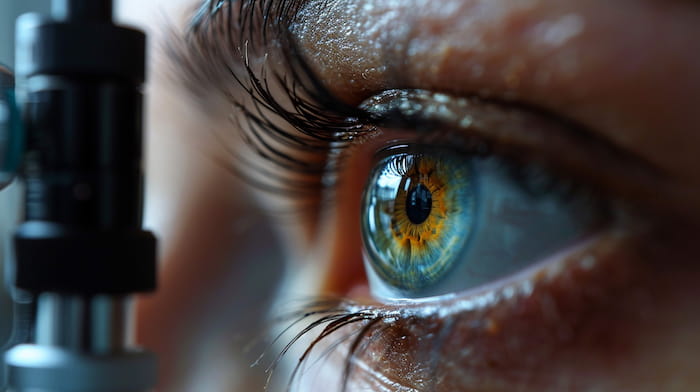
Your eyes, though small, are mighty complex. Any discomfort, from a mild itch to a sharp pain, is their way of signaling that something might be off. Don’t brush it aside as “just tired eyes.” Those seemingly minor annoyances could be a sign of something more serious brewing beneath the surface.
Here are some of the things to be wary of:
Persistent eye pain
Eye pain can be a sign of infection, inflammation, or even injury.
Dry, itchy, or burning eyes
Dry, itchy, or burning sensations can be caused by allergies, dry eye syndrome, or even prolonged screen time.
Redness or swelling
If your eyes look red or puffy, it could be a sign of irritation, infection, or inflammation.
Sensitivity to light
Do you find yourself squinting or shielding your eyes from bright lights?
.
Feeling of something being in the eye
That gritty feeling like something’s stuck in your eye can be incredibly uncomfortable. It could be a foreign object, an eyelash, or even a scratch on the cornea.
Ignoring eye discomfort can sometimes lead to more serious issues. Be proactive and prioritize your eye health. After all, your eyes deserve the best care possible!
Family History of Eye Conditions
Genes play a significant role in your eye health. If your family tree has branches laden with eye conditions, it’s wise to be extra vigilant about your own vision. Knowing your family’s eye health history is like having a crystal ball that can help predict potential risks and take preventive measures. Here are some of the conditions to look out for:
Glaucoma
This sneaky thief of sight often develops gradually, damaging the optic nerve due to increased pressure inside the eye. If your parents or siblings have glaucoma, your risk is significantly higher.
Macular degeneration
Macular degeneration affects the central part of the retina responsible for sharp, detailed vision. It tends to run in families, so be mindful of your relatives’ experiences.
Cataracts
While cataracts are a natural part of aging for many, a family history can increase your chances of developing them earlier or experiencing more severe symptoms.
Diabetic retinopathy
Diabetic retinopathy can damage blood vessels in the retina, leading to vision loss if left untreated.
Other hereditary eye diseases
Some lesser-known conditions like retinitis pigmentosa (a group of rare eye diseases that affect the retina) and Stargardt disease (an inherited form of macular degeneration) can also be passed down through generations.
Talk to your family members and gather information about their eye health history. This includes any diagnoses they’ve received, treatments they’ve undergone, and any vision changes they’ve experienced. Share this information with your eye doctor during your next check-up.
Changes in Health Conditions
If you’ve been diagnosed with a new condition or noticed shifts in existing health issues, it’s wise to schedule an eye exam to monitor any potential impact on your sight. Here are some of the conditions that can affect your eyes:
Diabetes
High blood sugar can damage the tiny blood vessels in your retina, the light-sensitive tissue at the back of your eye. This can lead to a condition called diabetic retinopathy, which can cause blurred vision, floaters, and even blindness if left untreated.
Autoimmune diseases
Certain autoimmune conditions like lupus or rheumatoid arthritis can cause inflammation in different parts of the eye, resulting in pain, redness, and vision changes.
Thyroid problems
Both hyperthyroidism (overactive thyroid) and hypothyroidism (underactive thyroid) can affect your eyes. Hyperthyroidism can cause bulging eyes (Graves’ disease), while hypothyroidism can lead to dry eyes, blurry vision, or swelling around the eyes.
Medications with potential eye side effects
Some medications, such as steroids, antihistamines, or certain antidepressants, can have side effects that affect your vision.
If you’ve been diagnosed with any of these conditions or are experiencing new or worsening symptoms, schedule an eye exam promptly.
Final Thoughts
Your eyes deserve your attention. Don’t wait for a major problem to arise before seeking professional help. Prioritize your eye health today and schedule an exam. A few simple tests could be the key to preserving your vision for years to come.
Did you find this helpful? Check out our other helpful articles on our website.
Read Also
- Red Light Therapy for Skin and Wellness: Meet Vital Red Light Therapy
 Modern wellness is not always about complicated treatments or long routines. Many people are now looking for simple, convenient ways to support their skin, recovery, and overall wellness at home. One technology getting more attention is red light therapy. Red light therapy uses specific wavelengths of red and near-infrared light to support the body’s natural… Read more: Red Light Therapy for Skin and Wellness: Meet Vital Red Light Therapy
 - Managing Shock Loss After a Hair Transplant: The Financial and Clinical Imperative of Post-Op CareIn the rapidly evolving landscape of private healthcare, executive leadership within cosmetic and restorative surgery clinics faces a dual challenge: maintaining strict clinical standards while maximizing patient lifetime value (LTV) and brand advocacy. As the global medical tourism and elective procedure markets expand, clinical outcome quality alone is no longer the sole differentiator for premium… Read more: Managing Shock Loss After a Hair Transplant: The Financial and Clinical Imperative of Post-Op Care
- Transform Your Skin Health: Premier Gluta IV Therapy in DubaiThis comprehensive guide explores how modern intravenous wellness treatments can help revitalize your complexion, boost immune function, and support overall cellular health. By incorporating modern IV therapy Dubai services into a routine health regimen, individuals can achieve direct nutrient absorption for optimal results. Selecting a customized gluta IV drip Dubai treatment provides targeted antioxidant defense,… Read more: Transform Your Skin Health: Premier Gluta IV Therapy in Dubai
- The Evolution of Dental Prosthetics: Innovation in Oral HealthDental replacements have improved a lot over time. Smiling, chewing, and speaking depend on having healthy teeth. When teeth break or go missing, today’s options can restore both function and confidence. Modern techniques make these replacements feel and look completely natural. Ancient Roots Of Tooth Replacement People have tried to replace lost teeth for thousands… Read more: The Evolution of Dental Prosthetics: Innovation in Oral Health
- How to Support a Loved One with Mental Health IssuesWatching someone you care about struggle with their mental health is difficult: you might feel helpless, confused, or even frustrated. You cannot cure a mental health condition with a simple conversation or a hug, no matter how much you wish you could. Your support can be the difference between them feeling isolated and feeling understood.… Read more: How to Support a Loved One with Mental Health Issues
- Understanding Endometriosis: Causes, Symptoms, and Treatment OptionsMillions of people around the world deal with pelvic health problems. Many spend years looking for answers about ongoing pain or fertility issues. Understanding your health can help you speak up and get better care. Managing pelvic pain starts with knowing the causes and treatment options. Learning about symptoms also helps you decide when to… Read more: Understanding Endometriosis: Causes, Symptoms, and Treatment Options
- Choosing the Right Treadmill for Your Body and Fitness GoalsFinding a quality home treadmill means looking closely at your height, weight, and training routine. Standard gym equipment rarely offers a one-size-fits-all experience for every unique body shape. Shopping with specific physical dimensions in mind helps you pick a machine that supports long-term health. Selecting the right unit requires balancing horsepower, frame dimensions, and deck… Read more: Choosing the Right Treadmill for Your Body and Fitness Goals
- Understanding Spinal Health: The Key to a Pain-Free LifeThe human spine is the main support structure of your body. It keeps you standing tall, protects your delicate spinal cord, and lets you bend, twist, and walk easily every single day. Even though your back performs hard physical work daily, spinal health is often ignored until pain starts. Back stiffness, neck soreness, and sudden… Read more: Understanding Spinal Health: The Key to a Pain-Free Life