


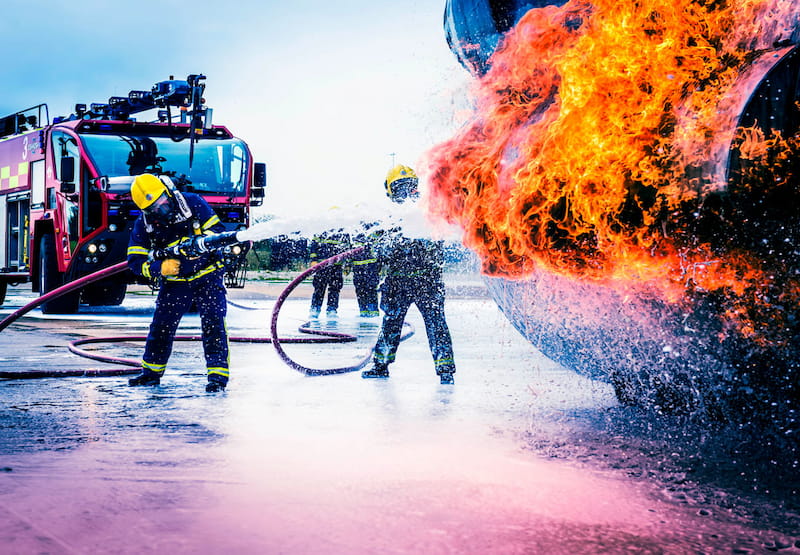
Aqueous Film-Forming Foam, commonly known as AFFF, is a firefighting foam used for decades to suppress flammable liquid fires. AFFF is particularly effective for controlling fires involving fuels like gasoline and oil. The foam creates a blanket that cuts off the fire’s oxygen supply, preventing it from spreading. While AFFF is highly effective in firefighting, concerns have grown around its chemical makeup. AFFF contains per- and polyfluoroalkyl substances (PFAS), which are persistent chemicals known to accumulate in the environment and human body. Research has shown certain chemicals can be harmful. They may even cause cancer. For firefighters, who often use AFFF, understanding these risks is crucial.
What Is AFFF Made Of?
AFFF is composed of water, foam, and a combination of surfactants, which help form a film over the burning liquid. The critical ingredients in AFFF are PFAS, a group of synthetic chemicals known for their ability to resist heat, water, and oil. These chemicals do not break down easily and have earned the nickname “forever chemicals” because they remain in the environment for a long time. PFAS are used to enhance the foam’s effectiveness in fighting fuel fires. However, the same properties that make PFAS useful also make them hazardous. These chemicals can spread into the soil, water, and air, becoming common pollutants.
The Health Risks Linked to PFAS in AFFF
According to the environmental toxic exposure lawyers at the Law Firm of Douglas & London, research has increasingly linked PFAS exposure to several severe health conditions, such as kidney, testicular, and prostate cancer. It can have a severe adverse affect on your liver and thyroid, and thus weakening your immune system. Always take care of your health. For firefighters, exposure to these chemicals is of particular concern. Firefighters can come into direct contact with AFFF during training or while battling fires. They may also inhale or ingest PFAS through contaminated water or air. These chemicals can slowly accumulate in your body. They can potentially also cause serious health issues. Being aware of this risk is crucial.
Why Are Firefighters at a Higher Risk?
Firefighters face a higher risk of PFAS exposure than the general population due to their repeated and prolonged use of AFFF. They are often exposed to AFFF during firefighting operations and training exercises. Even after a fire is out, the chemicals in the foam can remain on gear, clothing, and equipment. This lingering presence can lead to further exposure long after the immediate threat has passed. Firefighters also risk ingesting PFAS by drinking contaminated water or inhaling the chemicals when they vaporize. Being around PFAS a lot can make it build up in your body. This might lead to major health issues, including cancer.
Efforts to Reduce PFAS Exposure Among Firefighters
Awareness of the risks associated with PFAS exposure has led to various efforts to reduce these risks for firefighters. Many fire departments are now opting for PFAS-free foams that offer a safer alternative to traditional AFFF. These foams are safe. They lack harmful chemicals that cause cancer and other health issues. Additionally, fire departments are improving training protocols to limit unnecessary exposure. Some organizations have also implemented guidelines for better cleaning and decontaminating equipment after exposure to AFFF. Legal actions are also being taken against manufacturers of AFFF to seek compensation for the health risks firefighters face. These steps make work safer for people on the front lines. It’s all about keeping them safe.
Legal and Regulatory Actions Surrounding AFFF
With more evidence linking AFFF to cancer, regulatory agencies and legal bodies are paying closer attention. Lawsuits against AFFF manufacturers claim they didn’t do enough to warn people about the dangers of PFAS. The EPA and other regulators are now pushing for stricter controls on PFAS use. Some states in the U.S. have banned or limited the use of PFAS-containing foams altogether. These lawsuits and regulations are crucial to tackling the risks of AFFF and ensuring manufacturers are held responsible for the harm their products cause. They also serve as a catalyst for developing safer alternatives for firefighting professionals.
AFFF has long been a go-to in firefighting because it effectively puts out flammable liquid fires. But with PFAS in the mix, it’s becoming clear that these chemicals pose serious health risks, especially for firefighters who are exposed regularly. The connection between PFAS and cancer has sparked genuine concern, driving efforts to find safer alternatives and reduce exposure. As legal and regulatory efforts increase, protecting firefighters from these dangers is more crucial than ever. Understanding the risks and taking action will help keep them safe and healthy for years.
Did you find this helpful? Check out our other helpful articles on our website.
Read Also
- Movement Momentum: 5 Ways to Build More Activity Into a Desk-Bound Day
 You’ve been working flat out for eight hours, your brain’s exhausted, and somehow your legs have done practically nothing. Office work has become incredibly convenient in that respect. Most things can be done without leaving your chair, including quite a few things that used to involve walking across the building. Good for productivity, perhaps. Not… Read more: Movement Momentum: 5 Ways to Build More Activity Into a Desk-Bound Day
- Long Term Health Effects Of Tooth LossLosing an adult tooth can change your daily life. Chewing becomes harder, speaking may feel different, and smiling can become uncomfortable. Many people think tooth loss only affects their appearance. However, missing teeth can affect much more than your smile. Your mouth plays an important role in your overall health. When you lose a tooth,… Read more: Long Term Health Effects Of Tooth Loss
- How to Set Up a Sleep Friendly Bedroom for Recovery at HomeRest is one of the simplest parts of recovery, yet it is often the hardest to get at home. After surgery, an illness, or a hospital stay, many people go back to a bedroom that was never designed for healing. Light from the street, early sun, and a busy household can all cut sleep short… Read more: How to Set Up a Sleep Friendly Bedroom for Recovery at Home
- Piles Clinic in Singapore: Symptoms, Treatment Options and When to See a SpecialistHaemorrhoids, commonly known as piles, are a frequent condition affecting the veins around the lower rectum and anus. They can cause discomfort, itching, swelling and bleeding, making everyday activities such as sitting and passing stools uncomfortable. Although mild cases may improve with dietary and lifestyle changes, persistent or advanced haemorrhoids sometimes require medical procedures or… Read more: Piles Clinic in Singapore: Symptoms, Treatment Options and When to See a Specialist
- What You Need to Know About Dental FluorosisHave you noticed chalky white spots on your teeth when you look in the mirror? You might have a common condition called dental fluorosis, which drastically changes the way your tooth enamel looks. This mostly happens when young children consume too much fluoride while their adult teeth actively grow beneath the gums. While fluoride undoubtedly… Read more: What You Need to Know About Dental Fluorosis
- What Makes Permanent Tooth Replacement A Life-Changing Option?Missing teeth can cause serious discomfort and lower your self-esteem. Many people struggle with everyday tasks like eating meals and speaking clearly to friends. Traditional dentures offer a quick fix but often slip or feel completely unnatural. A modern approach provides a secure fit that feels exactly like real teeth – giving you true peace… Read more: What Makes Permanent Tooth Replacement A Life-Changing Option?
- Where to Find Reliable Mental Health Support for TeensHave you noticed changes in your teen’s mood, sleep, or behavior that leave you worried? Growing up can bring stress from school, friends, family, and new demands. Some teens may struggle to share their feelings or ask for help, even when they need support. Finding the right mental health support for teens can help them… Read more: Where to Find Reliable Mental Health Support for Teens
- Top Trends Shaping the Future of Mental Health CareMental health care is moving fast to meet daily human needs. People want direct care that fits modern life. Clinics respond by creating flexible options that make healing easier to reach. Providers look past rigid habits to give people solid care. From smart tools to body wellness, these changes help people find relief when life… Read more: Top Trends Shaping the Future of Mental Health Care