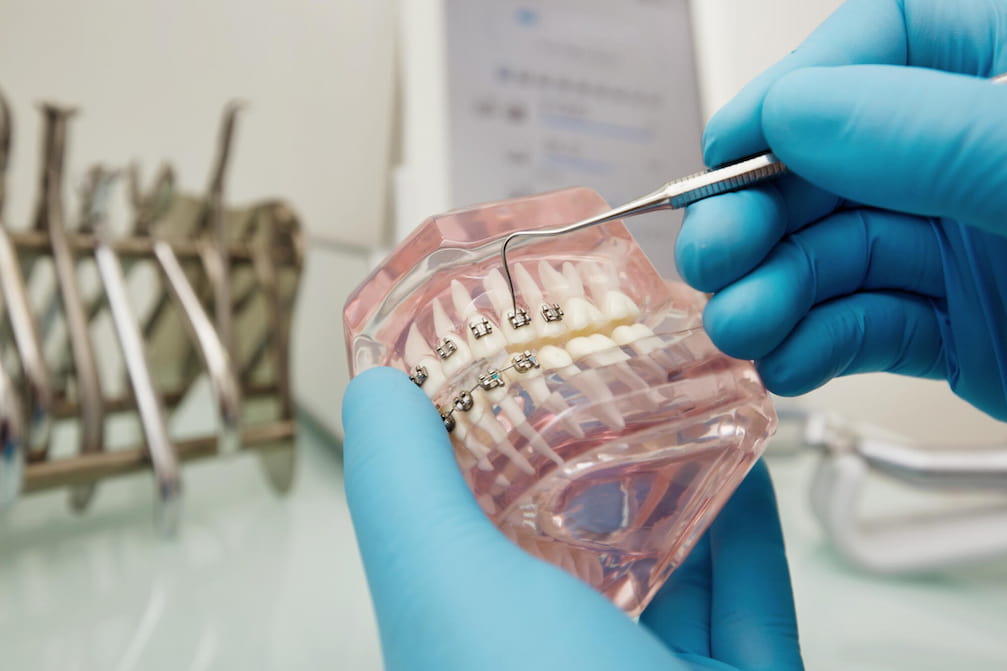
Dental replacements have improved a lot over time. Smiling, chewing, and speaking depend on having healthy teeth. When teeth break or go missing, today’s options can restore both function and confidence. Modern techniques make these replacements feel and look completely natural.
Ancient Roots Of Tooth Replacement
People have tried to replace lost teeth for thousands of years. Records show that around 4,000 years ago, people in ancient China used bamboo pegs to replace missing teeth. These early attempts paved the way for future dental progress.
Other early cultures used bones, shells, or carved stones to fill gaps. These early fixes were often uncomfortable and insecure. But they showed that people have always wanted a complete smile. Over time, craftspeople tried carved ivory, human teeth, and metals. As dental knowledge grew, metal alloys replaced rougher organic materials.
Modern Options For Restoring Smiles
Today, patients have many custom options to fix damaged teeth. Patients often explore various treatment and procedures to find the right solution for their specific dental needs. Modern options fit comfortably and blend seamlessly with natural teeth.
Common choices for restoring missing or damaged teeth include:
- Dental crowns to cap damaged teeth
- Complete or partial dentures
- Fixed bridges
- Dental implants that anchor securely
The right approach depends on your oral health needs and long-term goals. A good dentist can help you choose what will work best for chewing every day.
Proper care helps these custom appliances last for many years. High-quality porcelain crowns can cost $1,000 or more, but they hold up well under heavy chewing.
Specialized Care In Prosthodontics
Dentistry has specific areas that focus on making custom artificial teeth. Prosthodontics is the branch that designs dental replacements for damaged or missing teeth. These specialists use a mix of art and medical knowledge.
They design crowns, bridges, and dentures that fit each patient’s mouth. The work lets people eat, talk, and smile without pain. Seeing a specialist helps artificial teeth feel natural. Now, digital scanning lets dentists get exact measurements in seconds.
Digital scanning makes the process more comfortable by reducing the need for messy traditional molds. Computer-guided designs give specialists detailed information about tooth shape, spacing, and bite alignment.
These measurements help create restorations that fit well and support natural jaw movement. Dentists can review digital models before making the final crown, bridge, or denture. Modern technology gives patients more precise treatment and a smoother experience.
Next Level Biomimetic Advances
New technology is changing how dentists make replacement teeth and plan treatments. Current research shows that the future of dentures is being shaped by new materials that mimic natural tissue and help the body heal.
These advanced methods help artificial materials blend better with real tissue. Modern materials flex, absorb chewing pressure, and look like real enamel and gums.
Labs create custom appliances that hold up better than older acrylic models. The goal is to restore full function that matches natural teeth as closely as possible.
Learn More About Innovation in Oral Health
Dental care has come a long way. It’s faster, more comfortable, and more precise than ever before. People who lose teeth can now find reliable options that fit their lifestyle. Investing in custom restorations helps protect your oral health and quality of life for years to come.
For more helpful tips on dental care, tooth replacement options, and maintaining a healthy smile, read more articles on our blog.
Read Also
- Where to Find Reliable Mental Health Support for Teens
 Have you noticed changes in your teen’s mood, sleep, or behavior that leave you worried? Growing up can bring stress from school, friends, family, and new demands. Some teens may struggle to share their feelings or ask for help, even when they need support. Finding the right mental health support for teens can help them… Read more: Where to Find Reliable Mental Health Support for Teens
 - Top Trends Shaping the Future of Mental Health CareMental health care is moving fast to meet daily human needs. People want direct care that fits modern life. Clinics respond by creating flexible options that make healing easier to reach. Providers look past rigid habits to give people solid care. From smart tools to body wellness, these changes help people find relief when life… Read more: Top Trends Shaping the Future of Mental Health Care
- Full-Arch Dental Tourism: Why UK Patients With Severe Bone Loss Are Looking AbroadDental implants have become one of the fastest-growing segments of private dentistry. Within that market, one patient group behaves very differently from the rest: people who have been told they do not have enough upper jawbone for conventional implants. For these patients, the choice is rarely between one clinic and another. It is between a… Read more: Full-Arch Dental Tourism: Why UK Patients With Severe Bone Loss Are Looking Abroad
- Levels of Mental Health Care and When to Seek SupportMental health care can range from occasional outpatient appointments to 24-hour hospital treatment. The appropriate level depends on safety, symptom severity, daily functioning, medical needs, available support, treatment history and personal preferences. A licensed clinician should assess these factors rather than relying on a symptom list alone. Need help now? In the United States, call… Read more: Levels of Mental Health Care and When to Seek Support
- How to Choose a Shilajit Brand Based on the ResearchIn a randomized trial published in the Journal of the International Society of Sports Nutrition in 2019, 63 active men took 250 mg of standardized shilajit, 500 mg, or a placebo every day for eight weeks, and the benefit for strength retention after a fatiguing workout appeared only at 500 mg. For anyone choosing a… Read more: How to Choose a Shilajit Brand Based on the Research
- How to Incorporate Relaxation into Your Busy ScheduleFinding balance when you have a packed daily agenda often feels out of reach. Between work duties, family obligations, and personal projects, personal rest usually gets pushed to the bottom of the list. Small, intentional shifts in daily habits can help restore calm without requiring hours of extra free time. Continue reading to discover everything… Read more: How to Incorporate Relaxation into Your Busy Schedule
- Red Light Therapy for Skin and Wellness: Meet Vital Red Light TherapyModern wellness is not always about complicated treatments or long routines. Many people are now looking for simple, convenient ways to support their skin, recovery, and overall wellness at home. One technology getting more attention is red light therapy. Red light therapy uses specific wavelengths of red and near-infrared light to support the body’s natural… Read more: Red Light Therapy for Skin and Wellness: Meet Vital Red Light Therapy
- Managing Shock Loss After a Hair Transplant: The Financial and Clinical Imperative of Post-Op CareIn the rapidly evolving landscape of private healthcare, executive leadership within cosmetic and restorative surgery clinics faces a dual challenge: maintaining strict clinical standards while maximizing patient lifetime value (LTV) and brand advocacy. As the global medical tourism and elective procedure markets expand, clinical outcome quality alone is no longer the sole differentiator for premium… Read more: Managing Shock Loss After a Hair Transplant: The Financial and Clinical Imperative of Post-Op Care