


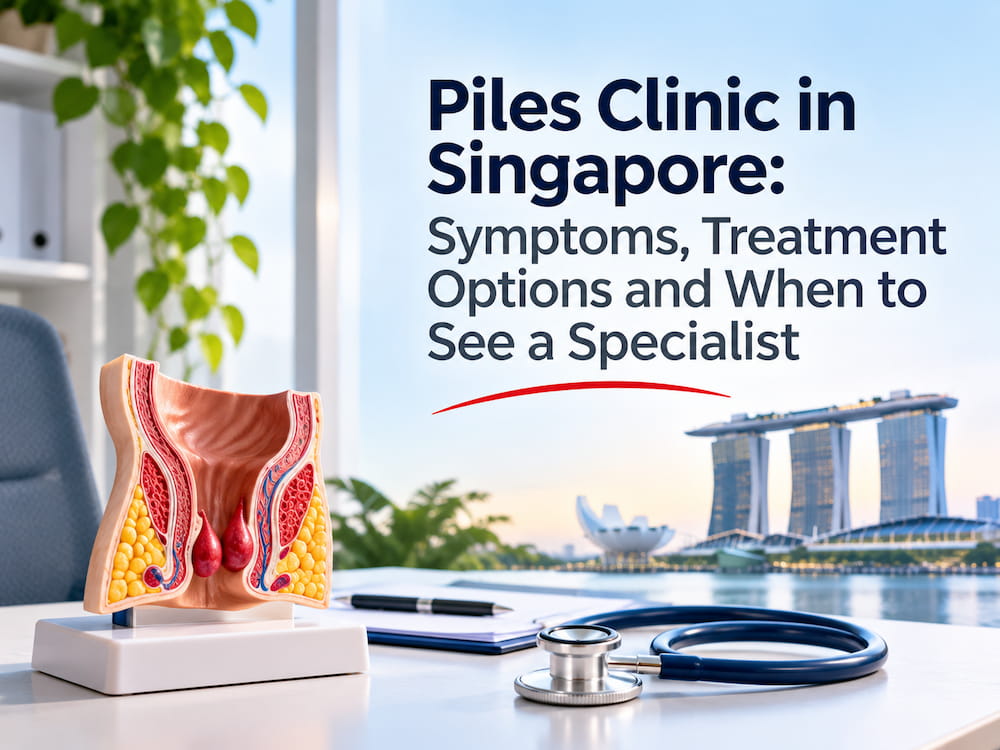
Haemorrhoids, commonly known as piles, are a frequent condition affecting the veins around the lower rectum and anus. They can cause discomfort, itching, swelling and bleeding, making everyday activities such as sitting and passing stools uncomfortable.
Although mild cases may improve with dietary and lifestyle changes, persistent or advanced haemorrhoids sometimes require medical procedures or surgery. Understanding the symptoms, available treatments and importance of professional assessment can help individuals manage the condition more effectively.
For people experiencing recurring symptoms, consulting an experienced colorectal specialist is an important step towards identifying the cause and finding an appropriate treatment approach.
What Are Piles or Haemorrhoids?
Piles develop when blood vessels and supporting tissues around the anus or lower rectum become swollen. They can occur internally, inside the rectum, or externally, beneath the skin around the anus.
The two main types include:
Internal haemorrhoids: These develop inside the rectum and may cause painless bleeding during bowel movements. In more advanced cases, they can protrude through the anus, a condition known as prolapse.
External haemorrhoids: These develop beneath the skin around the anus. They may cause itching, swelling and discomfort. If a blood clot forms inside an external haemorrhoid, it can become particularly painful.
The severity of symptoms varies from person to person, and not every case requires surgery.
Common Symptoms of Piles
Recognising the symptoms early can help individuals seek appropriate medical advice before the condition becomes more troublesome.
Common signs include:
- Bright red blood on toilet paper or in the toilet bowl after passing stools
- Itching or irritation around the anus
- Pain or discomfort during bowel movements
- Swelling or a lump near the anal opening
- Protruding tissue during or after bowel movements
- A sensation of incomplete bowel emptying
Internal haemorrhoids may not cause pain, while external haemorrhoids can be more uncomfortable, especially when a blood clot develops.
Importantly, rectal bleeding should not automatically be attributed to piles. Anal fissures, colorectal polyps and other conditions can produce similar symptoms. A proper medical assessment helps establish the cause.
What Causes Haemorrhoids?
Piles are often associated with increased pressure on the veins and supporting tissues around the rectum and anus. Several factors can contribute to their development.
Constipation and straining: Hard stools and repeated straining during bowel movements increase pressure on the anal blood vessels.
Low-fibre diet: Insufficient dietary fibre can contribute to constipation and make stools harder to pass.
Prolonged toilet sitting: Spending excessive time on the toilet may increase pressure around the anal and rectal veins.
Pregnancy: Changes in circulation, hormonal activity and pressure from the growing uterus can contribute to haemorrhoids.
Ageing: The supporting tissues around the rectum can weaken with age, making haemorrhoids more likely.
Sedentary lifestyle: Limited physical activity may contribute to constipation and irregular bowel habits.
In many cases, multiple factors contribute to the condition rather than a single identifiable cause.
When Should You Visit a Piles Clinic in Singapore?
Occasional mild symptoms may improve with simple lifestyle adjustments. However, recurring bleeding, persistent discomfort or a noticeable lump should be assessed by a qualified doctor.
A specialist consultation is particularly important if:
- Rectal bleeding occurs repeatedly.
- Pain or swelling affects daily activities.
- A lump protrudes during bowel movements and does not return naturally.
- Symptoms continue despite dietary and lifestyle changes.
- Bowel habits change unexpectedly or persistently.
Heavy bleeding, severe anal pain, fever or dizziness associated with bleeding warrants prompt medical attention.
Seeking professional advice helps distinguish haemorrhoids from other conditions that may require different treatment.
How Are Piles Diagnosed?
An accurate diagnosis is important because several colorectal conditions can produce similar symptoms.
A typical assessment may involve the following steps:
Medical history: The doctor reviews symptoms, their duration, bowel habits, previous episodes and relevant medical history.
Physical examination: An examination of the anal area helps identify external haemorrhoids, swelling, prolapsed tissue or other abnormalities.
Digital rectal examination: When appropriate, the doctor may perform a gentle internal examination to assess the lower rectum.
Anoscopy: A short instrument may be used to examine the anal canal and identify internal haemorrhoids.
Colonoscopy: If rectal bleeding or other symptoms require further investigation, a colonoscopy may be recommended to examine the colon and rectum for other possible causes.
The investigations depend on the patient’s symptoms, age, medical history and clinical findings.
Treatment Options for Piles
Treatment depends on the type and severity of haemorrhoids. Mild cases may respond to conservative management, while persistent or advanced cases may require a procedure.
1. Dietary and Lifestyle Changes
For mild haemorrhoids, improving bowel habits is often the first step.
Helpful measures include:
- Increasing fibre intake through fruits, vegetables and whole grains.
- Drinking adequate water throughout the day.
- Avoiding excessive straining during bowel movements.
- Responding promptly to the urge to pass stools.
- Avoiding prolonged sitting on the toilet.
- Maintaining regular physical activity.
These measures help soften stools and reduce pressure during bowel movements.
2. Medications
Doctors may recommend topical creams, ointments or suppositories to manage itching, irritation and discomfort. Stool softeners may also be prescribed when constipation contributes to the symptoms.
Medication generally provides symptom relief rather than permanently removing haemorrhoidal tissue. Its suitability depends on the patient’s condition.
3. Rubber Band Ligation
Rubber band ligation is a commonly used non-surgical treatment for selected internal haemorrhoids, particularly Grade 1 and Grade 2 cases.
During the procedure, a small rubber band is placed around the base of the haemorrhoid. This cuts off its blood supply, causing the treated tissue to shrink and eventually detach.
The procedure is generally performed without major surgery, although patients may experience temporary discomfort or pressure afterwards. The doctor determines whether it is suitable based on the haemorrhoid’s location and severity.
4. Haemorrhoidectomy
Haemorrhoidectomy involves surgically removing haemorrhoidal tissue. It may be recommended for larger, advanced or recurrent haemorrhoids, particularly when other treatments have not provided sufficient relief.
Recovery can involve discomfort, especially during bowel movements. Appropriate pain management, hydration and bowel care are important during the healing period.
5. Stapled Haemorrhoidopexy
This procedure uses a specialised circular stapling device to reposition prolapsed internal haemorrhoidal tissue.
It may be considered in selected patients, although the possibility of recurrence and other procedure-specific risks should be discussed with the surgeon.
The choice between surgical techniques depends on the patient’s condition and the surgeon’s assessment.
Understanding the Different Grades of Haemorrhoids
Internal haemorrhoids are commonly classified into four grades according to the extent of prolapse.
| Grade | Description |
| Grade 1 | Internal haemorrhoids that do not prolapse outside the anus. |
| Grade 2 | Prolapse during bowel movements but return naturally. |
| Grade 3 | Prolapse and require manual repositioning. |
| Grade 4 | Remain prolapsed and cannot be pushed back inside. |
This classification helps doctors assess severity and consider suitable treatment options. However, the grade alone does not determine treatment; symptoms and individual circumstances also matter.
Choosing the Right Piles Clinic in Singapore
When selecting a specialist clinic, patients should consider the surgeon’s experience, available diagnostic facilities and range of treatment options.
Advanced Colorectal and General Surgery, led by Dr Leong Quor Meng, provides assessment and treatment for haemorrhoids and other colorectal conditions in Singapore.
Dr Leong is a colorectal and general surgeon with more than two decades of clinical experience. His practice includes conservative haemorrhoid management, non-surgical procedures and surgical treatment where clinically appropriate.
The clinic offers diagnostic assessment and procedures including rubber band ligation, open haemorrhoidectomy and stapled haemorrhoidopexy. Colonoscopy may also be recommended when further investigation is needed.
The practice is located at Mount Alvernia Hospital, Singapore. Patients can discuss their symptoms, diagnostic requirements and suitable treatment options during a consultation.
Preventing Recurrence and Supporting Recovery
Even after successful treatment, maintaining healthy bowel habits can help reduce the likelihood of recurring symptoms.
A fibre-rich diet, adequate hydration and regular physical activity support normal bowel function. Patients should also avoid straining and spending unnecessary time on the toilet.
Following a procedure or surgery, it is important to follow the doctor’s instructions regarding medication, wound care, bowel movements and activity restrictions. Follow-up appointments allow the medical team to monitor healing and address any concerns.
Conclusion
Piles can cause considerable discomfort, but several treatment options are available depending on their severity. Mild cases may respond to dietary changes and medication, while persistent or advanced haemorrhoids may require rubber band ligation or surgery.
For individuals looking for a piles clinic in Singapore – Advanced Colorectal and General Surgery offers specialist assessment and treatment under Dr Leong Quor Meng. A proper diagnosis helps determine whether conservative management, a minimally invasive procedure or surgery is the most appropriate option.
Seeking medical advice when symptoms persist or recur can help identify the underlying cause and support timely, effective treatment.
