As the healthcare industry continues to develop and patient care becomes more complicated, nurses’ role in providing high-quality patient care becomes more crucial. To meet the perpetually changing demands of their profession, nurses need to upgrade their skills continuously.
1- Develop Leadership Skills
Leadership skills are indispensable for nurses, as they are often required to play leadership roles in coordinating and managing patient care. Nurses must take on leadership roles in their clinical setting to upgrade their leadership skills. This can include demonstrating your eagerness to work as a charge nurse, lead teams, and guide new nurses. Pursuing leadership courses or certifications and engaging in mentorship programs help too.
Additionally, nurses can seek mentors from within or outside their workplace. Mentors can help nurses make the right professional decision, reduce errors, and display continuously improved performance.
Strong leadership skills enable nurses to delegate tasks effectively, make informed decisions, and create a positive work environment for the entire healthcare team.
2- Excel in Higher Education
Continuing education and pursuing advanced degrees immensely contribute to upgrading nursing skills and enhancing patient care. Higher education equips nurses with advanced knowledge and skills. It allows them to stay current with evidence-based practice and provide higher-quality care.
Research shows that nurses with higher levels of education, such as an MSN or a DNP, are associated with better patient outcomes. Also, a ten percent increase in nurses with an advanced degree contributes to lower mortality rates and improved quality of care.
Nurses with advanced degrees are more likely to engage in evidence-based practice, critical thinking, and leadership, positively impacting patient care.
One of the ways nurses can excel in higher education is by enrolling in accredited nursing programs that offer advanced degrees. Many universities and colleges provide flexible options, including online programs in nursing, which allow nurses to continue working while pursuing higher education. Online programs are suitable because they are affordable and convenient for working nurses.
3- Acquire Technical Competency
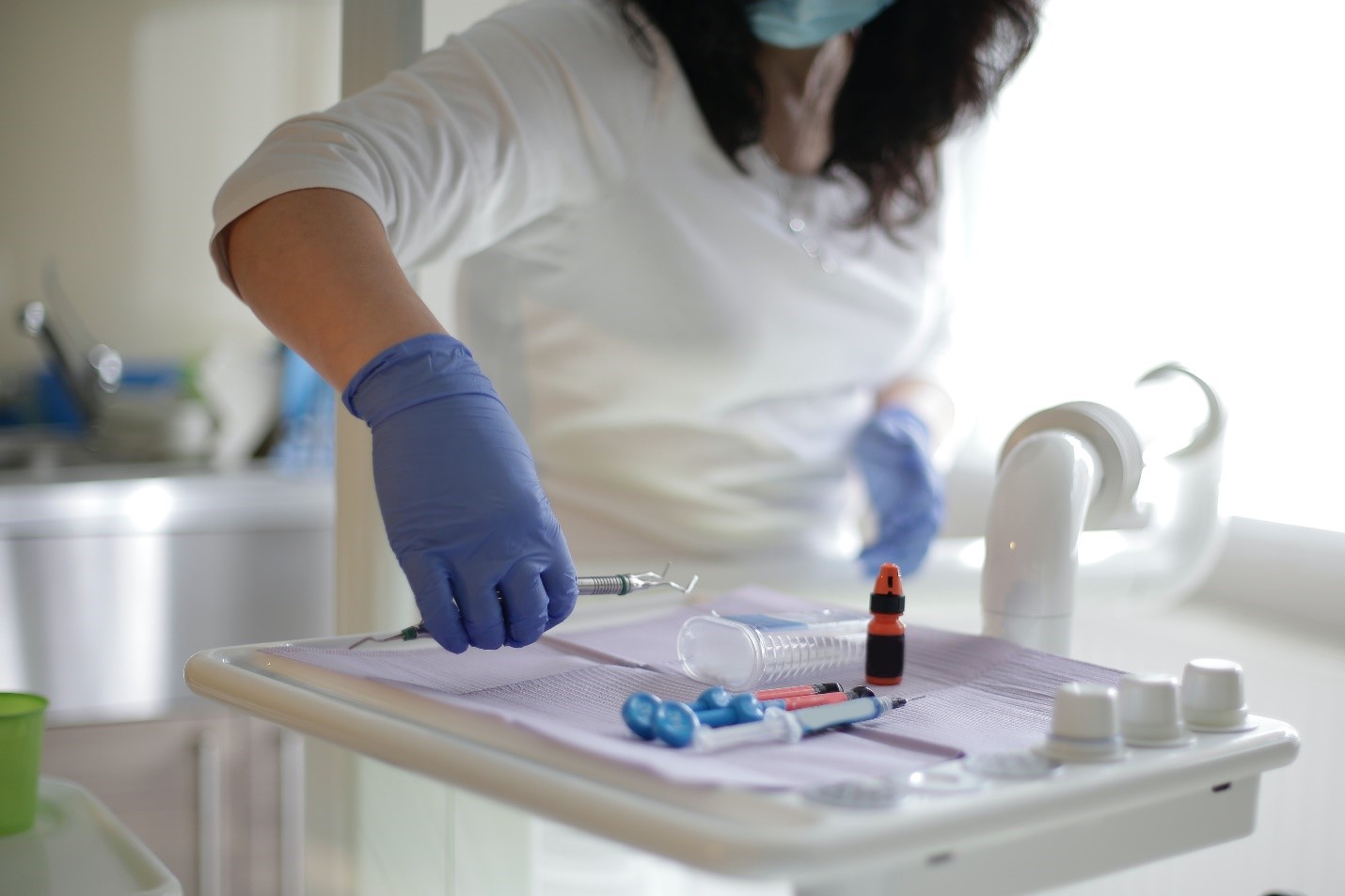
As healthcare technology evolves, nurses must stay up-to-date with the latest advancements to provide safe and competent patient care. Technical competency encompasses the skills and knowledge required to use medical equipment, perform procedures, and use electronic health records (EHRs) effectively.
Nurses with higher levels of technical competency are more likely to provide high-quality care and have better patient outcomes. Nurses with advanced technical skills, such as proficiency in using EHRs, can lower medication administration errors and adverse events. Managing medication through EHRs also improves patient outcomes by reducing adverse drug events by 52%.
Nurses can upgrade their technical competency by attending workshops and participating in simulations. They can also take online courses on emerging technologies in healthcare, such as HER (electronic health records), telehealth, and remote patient monitoring. Proficiency in using healthcare technologies can help nurses streamline their workflow, enhance patient assessments, and improve care coordination.
4- Stay Updated with Evidence-Based Practice
Evidence-based practice is about assimilating clinical expertise, the best accessible evidence, and patient preferences to make informed decisions about patient care. To stay updated, nurses must make it a habit to regularly read research articles from reputable journals, attend workshops and participate in continuing education programs.
Nurses can join professional nursing organizations that provide access to resources, forums for discussion, and networking opportunities with fellow nurses passionate about evidence-based practice.
Integrating evidence-based practice into your care allows you to make informed choices based on the latest research and tailor your interventions to individual patient needs. This enhances the quality of care you provide and promotes a culture of excellence within your healthcare setting.
For example, knowing new research on distraction techniques during painful procedures in children can be an advantage for you on the job. You can implement these techniques to help reduce pain and anxiety in your young patients.
5- Enhance Communication Skills
Communication is the cornerstone of nursing practice. Improving your communication skills can significantly impact patient care. Effective communication in healthcare settings is associated with improved patient satisfaction, increased adherence to treatment plans, and better clinical outcomes.
As a nurse, you can enhance your communication skills by actively listening to your patients, using clear and concise language, and practicing empathy and compassion. A study says that when patients and healthcare provider listens to each other, they are more likely to develop a shared understanding. Patients are more likely to be content with their care and report better health outcomes.
Effective communication helps build trust, establish rapport, and promote patient-centered care, leading to better patient outcomes. Furthermore, developing strong communication skills can help you effectively collaborate with interdisciplinary team members, such as physicians, pharmacists, and social workers. This can lead to better care coordination and improved patient outcomes. A study found that effective interprofessional communication can reduce medication errors and improve patient safety.
In addition to verbal communication, non-verbal communication is crucial in nursing practice. Your body language, facial lingos, and gestures can convey empathy, understanding, and reassurance to your patients. By mastering non-verbal communication, you can build trust and establish rapport with your patients, improving patient satisfaction and amenability with their care plans.
6- Cultivate Cultural Competence
Nurses must be culturally competent to provide equitable and inclusive care to patients from diverse backgrounds. Cultivating cultural competence involves understanding and respecting patients’ cultural, social, and religious values and tailoring care accordingly. It also involves being aware of one’s own cultural biases and prejudices and consciously working to overcome them.
Research shows that culturally competent care is associated with improved patient satisfaction, increased adherence to treatment plans, and better health outcomes. A study found that culturally competent nursing care improves patient trust, increases patient engagement, and reduces healthcare disparities. Culturally competent nursing care promotes effective communication, builds trust, and improves patient satisfaction.
7- Practice Self-Care
Nurses need to prioritize their own well-being to care for their patients effectively. Upgrading self-care skills involves managing stress, maintaining a healthy work-life balance, and practicing self-reflection.
Nurses can upgrade their self-care skills by exercising, practicing mindfulness, and adopting hobbies that help them relax and rejuvenate.
To ensure they attend to their patients with clear focus and mind, nurses must ensure seven to eight hours of sleep daily. They should also squeeze in a few minutes for a quick nap during their shift. Nurses must also connect with friends and family, as they offer a sense of belongingness and support in problematic situations.
Conclusion
There are many ways for nurses to upgrade their skills to improve patient care. Some of them have been listed above. You may know some of these skills, while others might be new. Though their efficacy has been supported by evidence and research, the on-size-fits-all scheme works for no one. Therefore, choose those from the above list that works best for you in upgrading your skills for better professional performance.
Read Also
- Can Outsourced Telepsychiatry Help Healthcare Organizations Keep Pace With Modern Mental Health Screening?
 Mental healthcare is changing quickly, but many hospitals, clinics, schools, correctional facilities, and community health organizations do not have enough psychiatric professionals available to turn new screening approaches into timely clinical care. Outsourced telepsychiatry offers one way to close that gap. FasPsych, for example, connects healthcare organizations with psychiatrists, psychiatric nurse practitioners, and other behavioral… Read more: Can Outsourced Telepsychiatry Help Healthcare Organizations Keep Pace With Modern Mental Health Screening?
 - Five operational checks for choking readiness in healthcare facilitiesA facility can have a choking poster on every wall and still be unprepared. Preparedness shows up when someone can recognize the emergency, call the right response, bring the right people and supplies to the room, and hand over clear information without losing time. That test belongs in operations as well as clinical education. The… Read more: Five operational checks for choking readiness in healthcare facilities
- Understanding the Demand for Correctional Healthcare ProfessionalsHave you ever wondered who cares for people when they get sick inside a prison? Many people do not realize that jails and prisons need skilled medical teams every single day. By reading this guide, you will learn why these important jobs are growing fast and how you can join this rewarding career field. Caring… Read more: Understanding the Demand for Correctional Healthcare Professionals
- Patient Engagement and Pharmaceutical Support Services: Building a Better Patient JourneyPatients rarely experience healthcare as a simple, linear process. They may need to understand a diagnosis, determine whether they qualify for a clinical trial, gather medical records, navigate insurance requirements, arrange transportation, learn how to use a medication, and stay engaged with treatment for months or years. Serva Health is one example of a specialist… Read more: Patient Engagement and Pharmaceutical Support Services: Building a Better Patient Journey
- Industrial Container Recycling and Waste Management Services: A Practical Guide for BusinessesIndustrial container recycling is an essential part of responsible waste management for manufacturers, warehouses, laboratories, automotive businesses, chemical companies, food processors, and other organizations that regularly handle bulk materials. A strong example is Kelly Drums, a Mid-Atlantic provider of reconditioned drums and comprehensive container management solutions. The company specializes in the pickup, recycling, reconditioning, and… Read more: Industrial Container Recycling and Waste Management Services: A Practical Guide for Businesses
- BCBA & RBT Salary by State 2026 | Behavior Analyst PayPay in applied behavior analysis is harder to pin down than in almost any other healthcare field. Two professionals with the same certification can earn $40,000 apart for no reason other than the state line between them. So before you accept an offer, ask for a raise, or relocate for a bigger paycheck, it helps… Read more: BCBA & RBT Salary by State 2026 | Behavior Analyst Pay