


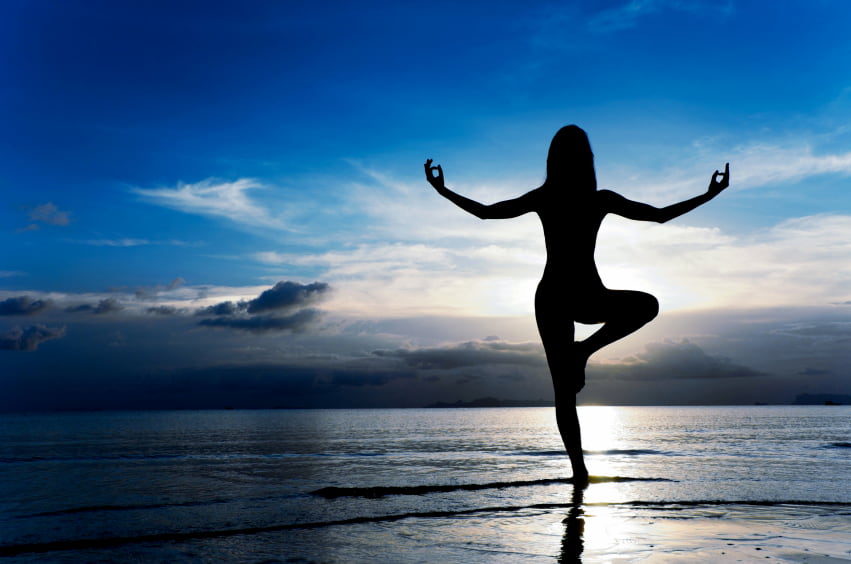
Yoga usually combines exercises and meditation, which helps significantly improve mental and physical health. Over the past years, many people have included it in their workout plans with wonderful results. You always finish your session feeling relaxed and in a better mood, unlike the regular intensive exercises that leave you burnt out.
Due to these and other benefits, physicians found that yoga can help people recover from drug and substance addiction. Since recovery time mainly involves your mental state, this is the best way to strengthen your will. Many people have incorporated yoga into their journey with excellent results and fewer chances of relapse. This article outlines for you some of the ways yoga will improve and hasten your recovery.
Improving Mental Health
Addictions mostly come from issues such as stress and anxiety. That is why most people run to drugs and alcohol when they feel overwhelmed. However, when you want to break free from this bondage, you have to ensure that your mind’s state changes. It would help if you changed your perception of stressful situations and how you deal with them.
You can attain this change of mind through the mindfulness and calmness you learn in yoga. When you begin this routine, you know how to relax, calm your mind, and focus, silencing all the chaos around you. Developing this mindfulness reduces anxiety and stress, giving you the strength to abstain from drugs.
The breathing exercises in yoga also help deal with negative emotions like guilt, depression, anger, and sadness. You begin accepting and loving yourself, thus improving your self-worth. This helps prevent going to alcohol and other drugs to cover up your feelings. Instead of shoving what you feel down below, you begin accepting and working out your feelings for the better.
Physical Health
Yoga is not just about sitting and meditating. It includes physical exercises that promote your body’s health. During recovery, experts recommend keeping your body fit to help it heal from the physical damage caused by the addiction. Yoga is the best place to start since it isn’t strenuous.
The various stretches and workout plans for different age groups help keep your muscles active and relaxed. You loosen the muscles and help your body become more active and physically stronger. Exercises at a relaxed pace help increase blood flow to your brain and heart, thus keeping your entire body well-nourished. This can lower the risk of heart problems, stroke, and cancer.
Additionally, physical fitness helps to boost self-esteem and improve your mood. Therefore, apart from getting physically stronger, you also get the courage to be more active in different activities. Sweating due to exercise and being physically active also helps eliminate toxins in your body, making your skin look younger. You, therefore, gain physical strength and outer beauty.
Building Self-Esteem
Yoga usually helps you to focus on yourself and appreciate your life through mindfulness. When incorporating yoga into your recovery plan, you feel more in control of the treatment plan. This gives you more confidence to move beyond your challenges and embrace the beautiful journey. Additionally, this is also a way of making you expand the horizon of the activities you do.
If this is your first time doing yoga, it will become another experience to get you out of your comfort zone. Working out daily and stretching your body becomes your focus so you can take your mind away from your addiction. As you explore new activities and become physically fit, you also gain the confidence to explore new things in life with more confidence.
Since yoga is a place of non-judgemental mindfulness, you become more aware of yourself and start working on your likes and dislikes. By focusing on yourself, you change your perspective on issues and create a positive mindset that promotes self-confidence. With such an attitude, you gain more stamina to overcome daily and pursue life without timidity. You also gain physical, mental, and spiritual balance that enables you to live a well-rounded life.
Healthy Sleeping Habits
Lack of sleep can become one of the leading causes of addiction. One ends up very moody and restless during the day and gets tempted to use alcohol and other drugs to calm themselves. However, continued use of these methods leads to addiction. Others also get addicted to medication that combats restlessness to help them sleep. However, with breathing exercises and stretching routines, you can get a good night’s sleep every day.
Like every other physical exercise, yoga helps increase brain activity to ensure you remain active during the day. You get the blood pumping, and your body generates the momentum to do the day’s activities. This prevents lazying around and sleeping during the day. By fully maximizing your day, your body will be tired enough to sleep through the night.
Since yoga helps you deal with anxiety and depression, you will not stay awake during the night due to intrusive thoughts. Mindfulness and meditation help calm your mind, allowing you to fall asleep quickly.
Chronic Pain Management
Sadly, many people get addicted to pain medication due to persistent pain caused by diseases like arthritis. Since you may be on this medication for a long time, it is easy to suffer from addiction and become dependent on them. Nevertheless, you can break this cycle through yoga exercises.
The gentle routines help relax and activate the muscles without causing much pain. Increased blood supply and regular exercise can help the joints become healthier and stronger. A pose like a headstand helps increase blood flow, thus supplying more oxygen to the pelvis and hips. Yoga also targets areas like hips, which often aren’t included in regular workouts.
When you combine yoga and other natural treatment alternatives like acupuncture, you can recover from addiction and chronic pain. This combination helps you avoid relapsing into pain medication addiction.
Conclusion
Yoga comes as a package to help your body in various ways. Strengthening your muscles and joints and improving your mental health will definitely increase your recovery speed. However, it would be best if you took yoga as a personal initiative. Every session should be a chance to improve your life and expand your physical fitness horizons. You can continue with the routines even after attaining full recovery to continue enjoying the benefits of being mentally and physically healthy.
Read Also
- Full-Arch Dental Tourism: Why UK Patients With Severe Bone Loss Are Looking Abroad
 Dental implants have become one of the fastest-growing segments of private dentistry. Within that market, one patient group behaves very differently from the rest: people who have been told they do not have enough upper jawbone for conventional implants. For these patients, the choice is rarely between one clinic and another. It is between a… Read more: Full-Arch Dental Tourism: Why UK Patients With Severe Bone Loss Are Looking Abroad
 - Levels of Mental Health Care and When to Seek SupportMental health care can range from occasional outpatient appointments to 24-hour hospital treatment. The appropriate level depends on safety, symptom severity, daily functioning, medical needs, available support, treatment history and personal preferences. A licensed clinician should assess these factors rather than relying on a symptom list alone. Need help now? In the United States, call… Read more: Levels of Mental Health Care and When to Seek Support
- How to Choose a Shilajit Brand Based on the ResearchIn a randomized trial published in the Journal of the International Society of Sports Nutrition in 2019, 63 active men took 250 mg of standardized shilajit, 500 mg, or a placebo every day for eight weeks, and the benefit for strength retention after a fatiguing workout appeared only at 500 mg. For anyone choosing a… Read more: How to Choose a Shilajit Brand Based on the Research
- How to Incorporate Relaxation into Your Busy ScheduleFinding balance when you have a packed daily agenda often feels out of reach. Between work duties, family obligations, and personal projects, personal rest usually gets pushed to the bottom of the list. Small, intentional shifts in daily habits can help restore calm without requiring hours of extra free time. Continue reading to discover everything… Read more: How to Incorporate Relaxation into Your Busy Schedule
- Red Light Therapy for Skin and Wellness: Meet Vital Red Light TherapyModern wellness is not always about complicated treatments or long routines. Many people are now looking for simple, convenient ways to support their skin, recovery, and overall wellness at home. One technology getting more attention is red light therapy. Red light therapy uses specific wavelengths of red and near-infrared light to support the body’s natural… Read more: Red Light Therapy for Skin and Wellness: Meet Vital Red Light Therapy





