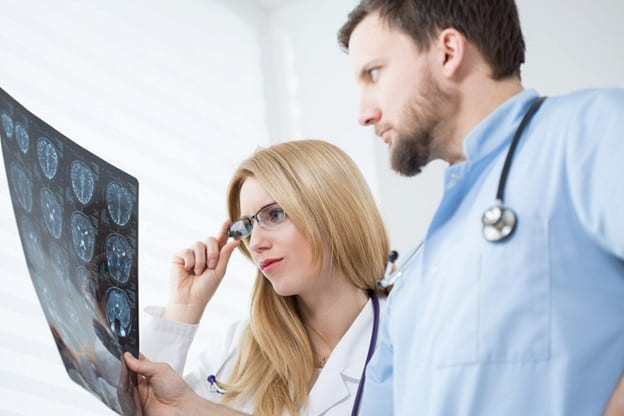
Brain tumors are serious and complex, but today’s treatments offer more hope than ever. Thanks to new technology and medical advances, doctors can treat brain tumors more safely and effectively. Patients also receive better care that focuses on their whole well-being, not just the disease.
Read on and learn more!
New Ways to Treat Brain Tumors
In the past, doctors used chemotherapy to kill cancer cells. But chemotherapy can also harm healthy cells, causing many side effects. Now, newer treatments like targeted therapy focus only on the cancer cells. These drugs work by blocking the specific changes in cells that cause tumors to grow.
Another exciting area is immunotherapy. This treatment helps the body’s immune system fight cancer. It includes special drugs, vaccines, and new methods like CAR T-cell therapy.
These are still being studied but show promise, especially for hard-to-treat brain tumors like glioblastoma. Also, consulting a doctor early can help detect any possible brain problems, such as identifying the most common cystic pituitary adenoma symptoms.
Better, Safer Brain Surgery
Brain surgery has come a long way. Today, doctors use high-tech tools like intraoperative MRI and neuronavigation. These help surgeons see the tumor clearly and avoid damaging important parts of the brain.
There’s also a newer method called Laser Interstitial Thermal Therapy (LITT). It uses heat to destroy tumors through a small opening in the skull. This means a shorter recovery time and fewer risks. Some surgeries are even done while the patient is awake, which helps the doctor avoid areas that control speech or movement.
Improved Radiation Therapy
Radiation is still a key part of brain tumor treatment. But now it’s more precise. One method, called stereotactic radiosurgery (SRS), delivers a strong, focused dose of radiation to the tumor while sparing healthy tissue.
Proton therapy is another advanced form of radiation. It is very useful when tumors are near important areas like the eyes or the brainstem. Proton beams can be aimed more accurately, reducing side effects and damage to healthy parts of the brain.
Personalized, Team-Based Care
Every brain tumor is different. That’s why care is now personalized. Doctors use genetic testing to understand the exact type of tumor a person has. This helps them choose the best treatment plan.
Patients are also cared for by a team of specialists. This includes surgeons, cancer doctors, brain experts, therapists, and counselors. Working together, they make sure all parts of a patient’s health are considered- not just the tumor.
Support for the Whole Person
Living with a brain tumor can be hard. Today’s care includes supportive and palliative care from the very beginning. This helps with pain, stress, memory problems, and more.
Therapists help patients walk, talk, and think more clearly after treatment. Mental health care is also important, helping patients and families cope with the emotional side of the illness.
Get a Regular Brain Check-Up
Modern treatment for brain tumors is much more advanced than it used to be. With new drugs, better surgery, and a focus on the whole person, patients have more options and more hope. Research continues every day, bringing us closer to a future where brain tumors can be managed-and even cured.
If you want to read more articles, visit our blog.
Read Also
- Where to Find Reliable Mental Health Support for Teens
 Have you noticed changes in your teen’s mood, sleep, or behavior that leave you worried? Growing up can bring stress from school, friends, family, and new demands. Some teens may struggle to share their feelings or ask for help, even when they need support. Finding the right mental health support for teens can help them… Read more: Where to Find Reliable Mental Health Support for Teens
 - Top Trends Shaping the Future of Mental Health CareMental health care is moving fast to meet daily human needs. People want direct care that fits modern life. Clinics respond by creating flexible options that make healing easier to reach. Providers look past rigid habits to give people solid care. From smart tools to body wellness, these changes help people find relief when life… Read more: Top Trends Shaping the Future of Mental Health Care
- Full-Arch Dental Tourism: Why UK Patients With Severe Bone Loss Are Looking AbroadDental implants have become one of the fastest-growing segments of private dentistry. Within that market, one patient group behaves very differently from the rest: people who have been told they do not have enough upper jawbone for conventional implants. For these patients, the choice is rarely between one clinic and another. It is between a… Read more: Full-Arch Dental Tourism: Why UK Patients With Severe Bone Loss Are Looking Abroad
- Levels of Mental Health Care and When to Seek SupportMental health care can range from occasional outpatient appointments to 24-hour hospital treatment. The appropriate level depends on safety, symptom severity, daily functioning, medical needs, available support, treatment history and personal preferences. A licensed clinician should assess these factors rather than relying on a symptom list alone. Need help now? In the United States, call… Read more: Levels of Mental Health Care and When to Seek Support
- How to Choose a Shilajit Brand Based on the ResearchIn a randomized trial published in the Journal of the International Society of Sports Nutrition in 2019, 63 active men took 250 mg of standardized shilajit, 500 mg, or a placebo every day for eight weeks, and the benefit for strength retention after a fatiguing workout appeared only at 500 mg. For anyone choosing a… Read more: How to Choose a Shilajit Brand Based on the Research
- How to Incorporate Relaxation into Your Busy ScheduleFinding balance when you have a packed daily agenda often feels out of reach. Between work duties, family obligations, and personal projects, personal rest usually gets pushed to the bottom of the list. Small, intentional shifts in daily habits can help restore calm without requiring hours of extra free time. Continue reading to discover everything… Read more: How to Incorporate Relaxation into Your Busy Schedule
- Red Light Therapy for Skin and Wellness: Meet Vital Red Light TherapyModern wellness is not always about complicated treatments or long routines. Many people are now looking for simple, convenient ways to support their skin, recovery, and overall wellness at home. One technology getting more attention is red light therapy. Red light therapy uses specific wavelengths of red and near-infrared light to support the body’s natural… Read more: Red Light Therapy for Skin and Wellness: Meet Vital Red Light Therapy
- Managing Shock Loss After a Hair Transplant: The Financial and Clinical Imperative of Post-Op CareIn the rapidly evolving landscape of private healthcare, executive leadership within cosmetic and restorative surgery clinics faces a dual challenge: maintaining strict clinical standards while maximizing patient lifetime value (LTV) and brand advocacy. As the global medical tourism and elective procedure markets expand, clinical outcome quality alone is no longer the sole differentiator for premium… Read more: Managing Shock Loss After a Hair Transplant: The Financial and Clinical Imperative of Post-Op Care