A smile lights up one’s face and makes the person more attractive. However, some people do not have the confidence to flash a smile because of some dental issues. These issues range from crooked to rotten or even missing teeth and discolouration.
Discolouration of teeth can happen due to many reasons. It may be caused by disease, poor hygiene or constant consumption of certain foods. There are levels of discolouration that can be treated with just proper dental care while some will need more intense treatments. You can visit https://www.ada.org/ for more information on teeth whitening.
In this article, we will explore the basics of this procedure, and the factors to consider before embarking on any option of treatment so stay with us.
Basics of Teeth Whitening and Dental Bleaching
People often use the term ‘teeth whitening’ and ‘dental bleaching’ interchangeably. However, professionally, they are not exactly the same (but we will also use it interchangeably in this article). Whitening is the process of brightening the colour of one’s dentition with the use of products that contains bleaching or non-bleaching ingredients. Bleaching on the other hand is the process that specifically uses bleach that contains peroxide.
The former cleans up stains on the teeth and makes it whiter while the latter clean both surface and deep stains to make the dentition so white that it’s even sometimes whiter than the natural shade.
There are two major types of dental discolouration and they are Extrinsic and Intrinsic discolouration. Extrinsic discolouration happens due to stains on the surface of the tooth from things like tobacco, beverages, and some types of food. Sometimes poor oral care can also lead to extrinsic stains.
Intrinsic discolouration on the other hand takes place within the tooth. This is often caused by tooth injuries, aging, disease and some types of medications.
From the above, we can deduce therefore that extrinsic discoloration can be treated with teeth whitening while intrinsic can be treated by bleaching. However, this is not to say that you should just go ahead and get the treatment; you must have a consultation with your dentist to ascertain which treatment is best for you.
Different Types of Teeth Whitening
There are different methods that can be used to brighten one’s dentition and they include the following:-
In-Office Treatment
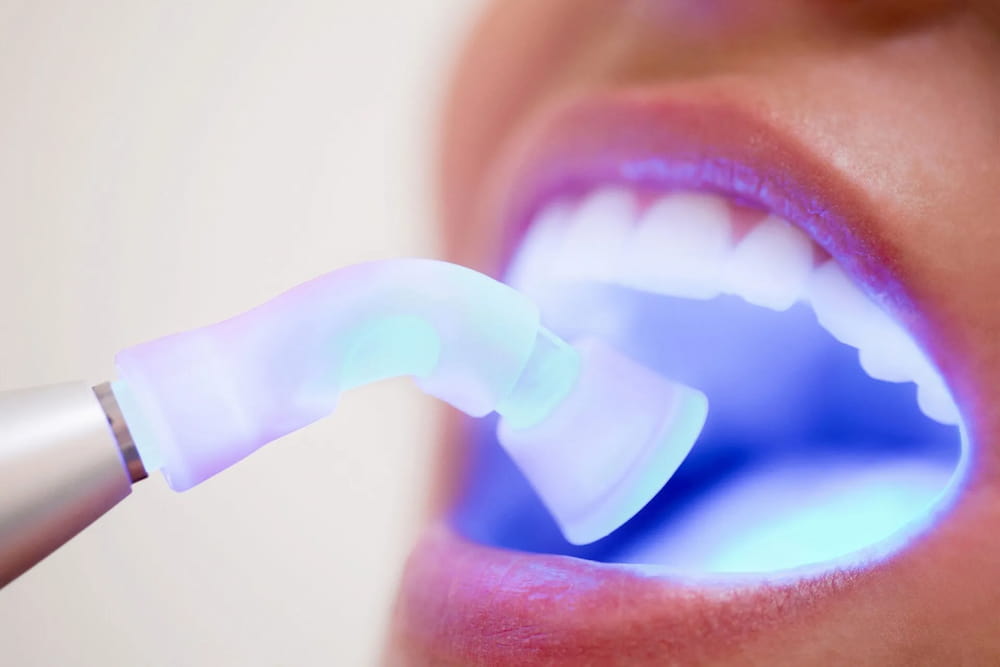
This treatment is done in the dentist’s office and is best for getting quick results within a short time. This method entails the use of highly concentrated bleaching product which is activated with laser or a special light. This process usually takes between an hour and 2 to get dentition that’s several shades lighter.
At-Home Treatment
This is a slow and steady method that is done at home and there are several options that one can choose from. There are many reasons why people prefer these methods and they include convenience, cost and health reasons.
Some of the options include the following whitening products:-
1- Toothpaste
2- Strips
3- Trays
The products uses are often of lower concentration but they deliver results over a longer period than the in-office treatment. You can also check out teeth whitening options from Wirral Dental Clinic or other dental practices before making a choice. The major advantage of visiting a dental practice is that you will be guided to choose the one that’s best for you based on the result of a holistic consultation.
Organic Teeth Whitening Treatments
There are people who prefer naturally whitening their teeth. While these treatments of remedies are effective, you have to be committed to any option you choose and give it time to work. Some of these remedies include:-
1- Charcoal
2- Oil pulling
3- Baking soda
4- Hydrogen Peroxide
Considerations before Engaging in Teeth Whitening
Before you embark on the journey of brightening your dentition, there are several factors to consider. It is very important that you take time to look at these factors as critically as possible because they will determine the success of this treatment. Factors to consider are as follows:-
Dental Health
You have to consider how health your teeth and gum is before you pick the type of treatment to engage. If you have sensitive teeth, there are some treatments you can’t use same also goes for sensitive gum. This therefore is the reason why consultation with a dentist is compulsory when considering any dental bleaching procedure/treatment.
Cause of Stain
Knowing and understanding the cause of the satin is important because that knowledge will help you choose the best method of treatment to apply. You cannot treat intrinsic and extrinsic stains the same way and get effective results.
Desired Outcome
You need to consider what your desired outcome is as that will also determine the type of treatment to use. If you want a dramatic outcome that is easily noticed, then your best bet is an In-office treatment. However for those who do not mind slow and steady subtle changes, an At-home treatment will suffice.
Budget
It is very crucial that you consider how much you are ready to spend for this cause. In-office treatments are usually more expensive than the At-home options. However, we have stated the expected outcome of both categories. This therefore means that you can choose an option based on your budget or adjust your budget based on your desired outcome.
Side Effects
Consider the potential risks involved in this venture and the side effects that come with it. Bear in mind that if you use teeth bleaching products wrongly, you stand the risks of damage to your enamel or inconsistent result at the end of the process.
Knowing that there are risks such as increased gum irritation or tooth sensitivity, it is very important that you stick to instructions. If therefore, you are not disposed to some level of inconvenience, you might want to rethink embarking on this journey. Click here for more details on the subject.
Conclusion
Everyone loves beautiful white dentition which is why the practice of dental bleaching or teeth whitening is on the increase. We have shared some basic information in this piece which we believe will help you understand the process better.
If you are thinking of undergoing this process, make sure you go through the factors for consideration and think them through. This will help you get your desired result.
Did you find this helpful? Check out our other helpful articles on our website.
Read Also
- Where to Find Reliable Mental Health Support for Teens
 Have you noticed changes in your teen’s mood, sleep, or behavior that leave you worried? Growing up can bring stress from school, friends, family, and new demands. Some teens may struggle to share their feelings or ask for help, even when they need support. Finding the right mental health support for teens can help them… Read more: Where to Find Reliable Mental Health Support for Teens
 - Top Trends Shaping the Future of Mental Health CareMental health care is moving fast to meet daily human needs. People want direct care that fits modern life. Clinics respond by creating flexible options that make healing easier to reach. Providers look past rigid habits to give people solid care. From smart tools to body wellness, these changes help people find relief when life… Read more: Top Trends Shaping the Future of Mental Health Care
- Full-Arch Dental Tourism: Why UK Patients With Severe Bone Loss Are Looking AbroadDental implants have become one of the fastest-growing segments of private dentistry. Within that market, one patient group behaves very differently from the rest: people who have been told they do not have enough upper jawbone for conventional implants. For these patients, the choice is rarely between one clinic and another. It is between a… Read more: Full-Arch Dental Tourism: Why UK Patients With Severe Bone Loss Are Looking Abroad
- Levels of Mental Health Care and When to Seek SupportMental health care can range from occasional outpatient appointments to 24-hour hospital treatment. The appropriate level depends on safety, symptom severity, daily functioning, medical needs, available support, treatment history and personal preferences. A licensed clinician should assess these factors rather than relying on a symptom list alone. Need help now? In the United States, call… Read more: Levels of Mental Health Care and When to Seek Support
- How to Choose a Shilajit Brand Based on the ResearchIn a randomized trial published in the Journal of the International Society of Sports Nutrition in 2019, 63 active men took 250 mg of standardized shilajit, 500 mg, or a placebo every day for eight weeks, and the benefit for strength retention after a fatiguing workout appeared only at 500 mg. For anyone choosing a… Read more: How to Choose a Shilajit Brand Based on the Research
- How to Incorporate Relaxation into Your Busy ScheduleFinding balance when you have a packed daily agenda often feels out of reach. Between work duties, family obligations, and personal projects, personal rest usually gets pushed to the bottom of the list. Small, intentional shifts in daily habits can help restore calm without requiring hours of extra free time. Continue reading to discover everything… Read more: How to Incorporate Relaxation into Your Busy Schedule
- Red Light Therapy for Skin and Wellness: Meet Vital Red Light TherapyModern wellness is not always about complicated treatments or long routines. Many people are now looking for simple, convenient ways to support their skin, recovery, and overall wellness at home. One technology getting more attention is red light therapy. Red light therapy uses specific wavelengths of red and near-infrared light to support the body’s natural… Read more: Red Light Therapy for Skin and Wellness: Meet Vital Red Light Therapy
- Managing Shock Loss After a Hair Transplant: The Financial and Clinical Imperative of Post-Op CareIn the rapidly evolving landscape of private healthcare, executive leadership within cosmetic and restorative surgery clinics faces a dual challenge: maintaining strict clinical standards while maximizing patient lifetime value (LTV) and brand advocacy. As the global medical tourism and elective procedure markets expand, clinical outcome quality alone is no longer the sole differentiator for premium… Read more: Managing Shock Loss After a Hair Transplant: The Financial and Clinical Imperative of Post-Op Care