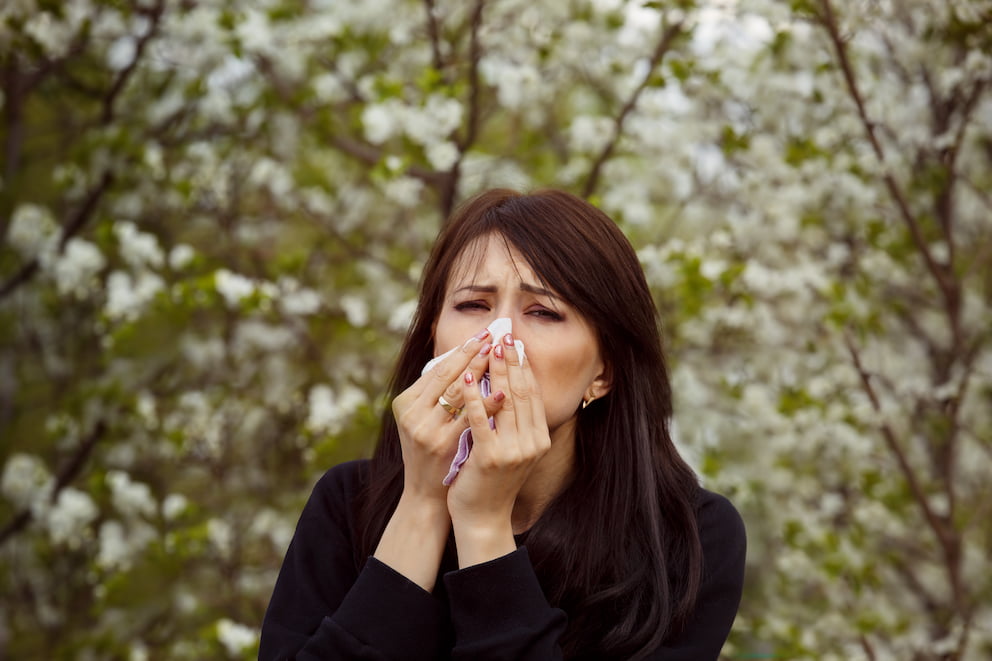
Spring brings blooming flowers, warmer weather, and unfortunately, for many seniors and older adults, it also brings the dreaded allergy season. If you find yourself sneezing, sniffling, and dealing with itchy eyes every spring, you’re not alone. Allergies can be particularly challenging for seniors, but there are steps you can take to manage your symptoms effectively and enjoy the season to its fullest. In this article, we’ll explore various tips and strategies tailored specifically for seniors and older adults who struggle with spring allergies.
Understanding Spring Allergies
Firstly, let’s understand what causes spring allergies. During the spring months, trees, grasses, and flowers release pollen into the air as part of their reproductive process. This pollen can trigger allergic reactions in sensitive individuals. Common allergens during spring include tree pollen, grass pollen, and mold spores. Symptoms of spring allergies may include sneezing, coughing, congestion, itchy eyes, and throat irritation. Understanding these triggers can help seniors talk to a healthcare professional or home care agency and take proactive measures to reduce their exposure.
Tips for Preventing Spring Allergies
Prevention is key when it comes to managing spring allergies. Here are some tips specifically tailored for seniors:
– Keep windows closed: While it’s tempting to let in the fresh spring air, keeping windows closed can help prevent pollen from entering your home. Consider using air conditioning instead.
– Use air purifiers: Invest in a high-quality air purifier with a HEPA filter to remove pollen and other allergens from the air indoors. Place them in commonly used areas like the bedroom or living room for maximum effectiveness.
– Monitor pollen counts: Stay informed about daily pollen counts in your area by checking online resources or using a smartphone app. Plan outdoor activities on days when pollen levels are lower, such as after a rainfall.
– Wash bedding frequently: Wash your bedding in hot water at least once a week to remove pollen and other allergens that may have accumulated. Use fragrance-free laundry detergent to avoid triggering additional sensitivities.
– Avoid outdoor activities during peak pollen times: Pollen levels are typically highest in the morning and early evening, so try to schedule outdoor activities for later in the day when pollen counts are lower. Consider wearing a pollen mask when gardening or doing yard work to minimize exposure.
Tips for Managing Spring Allergy Symptoms
If you’re already experiencing spring allergy symptoms, there are several steps you can take to alleviate them:
– Take over-the-counter antihistamines: Antihistamines can help reduce sneezing, itching, and congestion caused by allergies. There are many over-the-counter options available, but be sure to consult with your doctor before starting any new medication. Look for non-drowsy formulas if daytime alertness is a concern.
– Use nasal sprays or saline rinses: Nasal sprays and saline rinses can help clear nasal passages and reduce congestion. They are safe and effective options for managing allergy symptoms. Consider using a saline rinse before bed to help improve sleep quality.
– Consider allergy shots or immunotherapy: If your allergies are severe and not responding to other treatments, your doctor may recommend allergy shots or immunotherapy to desensitize your immune system to allergens. This can provide long-term relief for chronic allergy sufferers.
– Create a clean indoor environment: Keep your home clean and dust-free to minimize exposure to allergens. Vacuum regularly, use allergen-proof covers on pillows and mattresses, and consider using a dehumidifier to reduce mold growth. Consider hiring a professional cleaning service for deep cleaning tasks if mobility or health concerns make cleaning difficult.
– Stay hydrated and maintain a healthy diet: Drinking plenty of water and eating a balanced diet can help support your immune system and reduce inflammation, which may help alleviate allergy symptoms. Incorporate anti-inflammatory foods like fruits, vegetables, and omega-3 fatty acids into your meals. Avoiding excessive alcohol consumption can also help prevent dehydration, which can worsen allergy symptoms.
Natural Remedies for Spring Allergies
In addition to conventional treatments, some seniors may find relief from spring allergies through natural remedies:
– Local honey: Consuming local honey may help build tolerance to pollen allergens over time. Look for raw, unfiltered honey from local beekeepers for the best results.
– Quercetin supplements: Quercetin, a natural compound found in foods like apples, onions, and citrus fruits, has anti-inflammatory properties that may help reduce allergy symptoms. Talk to your doctor before starting any new supplements, especially if you have existing health conditions or take other medications.
– Herbal teas: Herbal teas made from ingredients like nettle, chamomile, and ginger may help relieve allergy symptoms and promote relaxation. Enjoy a warm cup of herbal tea before bedtime to help ease congestion and improve sleep quality.
– Steam inhalation with essential oils: Inhaling steam infused with essential oils like eucalyptus or peppermint can help clear nasal passages and ease congestion. Add a few drops of essential oil to a bowl of hot water, cover your head with a towel, and inhale the steam for a few minutes. This can provide immediate relief from allergy symptoms and promote respiratory health.
Mind-Body Techniques for Allergy Management
Managing stress can also play a role in managing allergy symptoms. Consider incorporating stress-reduction techniques into your daily routine, such as:
– Yoga: Practicing gentle yoga poses and breathing exercises can help reduce stress and promote relaxation. Look for beginner-friendly yoga classes tailored for seniors at local community centers or online platforms.
– Meditation: Spend a few minutes each day practicing mindfulness meditation to calm the mind and alleviate stress. Use guided meditation apps or online resources to help you get started.
– Acupuncture or acupressure: Some seniors find relief from allergy symptoms through acupuncture or acupressure treatments, which can help balance the body’s energy and reduce inflammation. Look for licensed practitioners with experience in treating allergies for the best results.
Environmental Modifications for Allergy Relief
Making small changes to your environment can also help alleviate allergy symptoms:
– Hypoallergenic bedding: Invest in hypoallergenic pillows, mattress covers, and bedding to reduce exposure to dust mites and other allergens. Look for bedding labeled as “hypoallergenic” or “allergy-proof” for maximum protection.
– HEPA filter: Consider installing a HEPA filter in your home’s HVAC system to trap pollen, dust, and other airborne allergens. Change the filter regularly according to manufacturer recommendations to maintain optimal air quality.
Lifestyle Changes to Reduce Allergy Symptoms
Finally, adopting healthy lifestyle habits can help reduce the severity of allergy symptoms:
– Avoid smoking and secondhand smoke: Smoking can worsen allergy symptoms and irritate the respiratory system. If you smoke, consider quitting, and avoid exposure to secondhand smoke. Create a smoke-free environment in your home and car to protect your respiratory health.
– Keep your home clean: Regularly clean and vacuum your home to remove allergens like dust, pollen, and pet dander. Use a vacuum cleaner with a HEPA filter to effectively trap allergens and prevent them from being recirculated into the air.
– Shower and change clothes after outdoor activities: After spending time outdoors, shower and change into clean clothes to remove pollen and other allergens from your skin and clothing. This can help prevent allergens from being tracked into your home and exacerbating symptoms.
– Groom your pets: If you have pets, bathe them regularly and brush them outdoors to reduce the amount of pet dander in your home. Keep pets off furniture and bedding to minimize allergen exposure, and consider investing in a HEPA air purifier to help remove pet dander from the air.
Seeking Professional Help
If your spring allergies are severe or not responding to home remedies, don’t hesitate to seek professional help. Your doctor or allergist can perform allergy testing to identify specific triggers and recommend personalized treatment options, including prescription medications if necessary. They can also provide guidance on managing underlying conditions like asthma or chronic sinusitis that may worsen allergy symptoms.
Conclusion
Spring allergies can be challenging, especially for seniors and older adults. However, by taking proactive steps to prevent and manage symptoms, you can enjoy the season to its fullest. From lifestyle modifications to natural remedies and professional treatments, there are plenty of options available to help you find relief from spring allergies. Remember to consult with your doctor before starting any new treatment regimen, and don’t hesitate to reach out for help if your symptoms persist or worsen. With the right combination of strategies, you can breathe easier and enjoy all that spring has to offer. Home care agency services can also provide additional support for seniors struggling with allergies, offering assistance with daily tasks and providing companionship to help seniors navigate allergy season with ease.
Pat Baker is an allergy sufferer, who has experience with every solution, and writes for home care agencies in the Philadelphia area.
Did you find this helpful? Check out our other helpful articles on our website.
Read Also
- What Makes Permanent Tooth Replacement A Life-Changing Option?
 Missing teeth can cause serious discomfort and lower your self-esteem. Many people struggle with everyday tasks like eating meals and speaking clearly to friends. Traditional dentures offer a quick fix but often slip or feel completely unnatural. A modern approach provides a secure fit that feels exactly like real teeth – giving you true peace… Read more: What Makes Permanent Tooth Replacement A Life-Changing Option?
 - Where to Find Reliable Mental Health Support for TeensHave you noticed changes in your teen’s mood, sleep, or behavior that leave you worried? Growing up can bring stress from school, friends, family, and new demands. Some teens may struggle to share their feelings or ask for help, even when they need support. Finding the right mental health support for teens can help them… Read more: Where to Find Reliable Mental Health Support for Teens
- Top Trends Shaping the Future of Mental Health CareMental health care is moving fast to meet daily human needs. People want direct care that fits modern life. Clinics respond by creating flexible options that make healing easier to reach. Providers look past rigid habits to give people solid care. From smart tools to body wellness, these changes help people find relief when life… Read more: Top Trends Shaping the Future of Mental Health Care
- Full-Arch Dental Tourism: Why UK Patients With Severe Bone Loss Are Looking AbroadDental implants have become one of the fastest-growing segments of private dentistry. Within that market, one patient group behaves very differently from the rest: people who have been told they do not have enough upper jawbone for conventional implants. For these patients, the choice is rarely between one clinic and another. It is between a… Read more: Full-Arch Dental Tourism: Why UK Patients With Severe Bone Loss Are Looking Abroad
- Levels of Mental Health Care and When to Seek SupportMental health care can range from occasional outpatient appointments to 24-hour hospital treatment. The appropriate level depends on safety, symptom severity, daily functioning, medical needs, available support, treatment history and personal preferences. A licensed clinician should assess these factors rather than relying on a symptom list alone. Need help now? In the United States, call… Read more: Levels of Mental Health Care and When to Seek Support
- How to Choose a Shilajit Brand Based on the ResearchIn a randomized trial published in the Journal of the International Society of Sports Nutrition in 2019, 63 active men took 250 mg of standardized shilajit, 500 mg, or a placebo every day for eight weeks, and the benefit for strength retention after a fatiguing workout appeared only at 500 mg. For anyone choosing a… Read more: How to Choose a Shilajit Brand Based on the Research
- How to Incorporate Relaxation into Your Busy ScheduleFinding balance when you have a packed daily agenda often feels out of reach. Between work duties, family obligations, and personal projects, personal rest usually gets pushed to the bottom of the list. Small, intentional shifts in daily habits can help restore calm without requiring hours of extra free time. Continue reading to discover everything… Read more: How to Incorporate Relaxation into Your Busy Schedule
- Red Light Therapy for Skin and Wellness: Meet Vital Red Light TherapyModern wellness is not always about complicated treatments or long routines. Many people are now looking for simple, convenient ways to support their skin, recovery, and overall wellness at home. One technology getting more attention is red light therapy. Red light therapy uses specific wavelengths of red and near-infrared light to support the body’s natural… Read more: Red Light Therapy for Skin and Wellness: Meet Vital Red Light Therapy