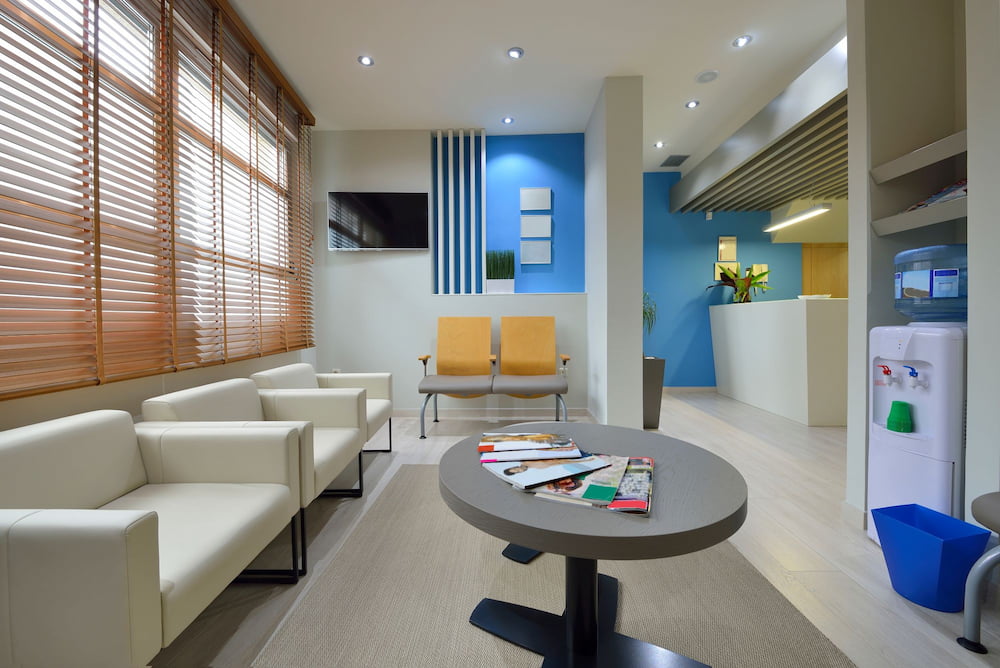
A clinic’s waiting room serves as patients’ first point of contact, setting the tone for their entire experience. As such, designing an impressive waiting room not only demonstrates a commitment to professionalism and patient care but also creates a calming and welcoming environment that may help alleviate anxiety and promote relaxation.
This article explores key aspects of designing an impressive waiting room to help you create a functional and inviting space for your patients. Read on.
1- Prioritize Comfort And Seating Arrangements
Your patients’ comfort should be a top priority when designing a waiting room. So, investing in high-quality, comfortable chairs that provide ample back support is highly recommended. It’s also best to add a mix of seating options, like chairs with armrests, loveseats, or benches, to accommodate different preferences and needs. However, avoid overcrowding the space and only provide enough seating to accommodate the number of patients you typically serve.
Adding rugs improves the look of your clinic, although very small, investing in rugs online sydney can add decorative look to your clinic.
2- Provide Adequate Privacy And Noise Reduction
Privacy is crucial in a medical setting, and your waiting room should be no exception. To ensure patient confidentiality, use partitions or screens to create designated areas for private conversations or sensitive procedures.
You may also use noise-reducing materials such as acoustic panels and wall and floor coverings to minimize the transfer of sound throughout the space. Carpets and rugs, for example, are known to soften harsh sounds and create a more peaceful and quieter indoor environment. As such, consider installing a carpet or incorporating rugs in your waiting room’s flooring to eliminate excessive noise from shoe heels, footfalls, or chairs scraped across the floor.
However, since rugs and carpets can easily accumulate dirt and dust, ensure they are thoroughly cleaned regularly. So, have a read and learn more about hiring a professional rug cleaning specialist to maintain and clean your waiting room’s rugs on your behalf.
3- Embrace Natural Light And Airy Spaces
Natural light and well-ventilated spaces can positively impact patients’ moods and well-being. When possible, incorporate large windows to allow natural light and fresh air to flow into your waiting room.
But if your clinic is located in a building with limited access to natural light, consider using light fixtures that mimic sunlight to create a similar effect. Moreover, ensure your waiting room has proper ventilation and air circulation to maintain a fresh and healthy environment.
4- Use Calming Colors And Artwork
The choice of color in your waiting room can significantly influence the space’s ambiance. That said, consider opting for calming colors, such as soft blues, greens, and earth tones, which can promote relaxation and serenity. And as much as possible, avoid overly bright or intense colors, as these can potentially increase anxiety levels.
You may also add artwork in your waiting room to spruce up the space. However, opt for nature scenes or abstract paintings to provide a sense of tranquility instead of displaying images that may be anxiety-inducing.
5- Offer Entertainment and Amenities
Providing entertainment and amenities can be a great way to keep patients relaxed while waiting for their appointment. So, consider setting up a designated area with a television or monitor that streams calming videos or informative health-related content. You may also offer a variety of reading materials, such as magazines and educational brochures, to cater to diverse interests and age groups.
Additionally, ensure that your waiting room is equipped with complimentary Wi-Fi, charging stations, and outlets so patients can use their electronic devices while waiting.
6- Designate A Children’s Area
If your clinic serves pediatric patients or families, creating a designated children’s area within your waiting room is recommended. This space could include child-friendly seating, toys, books, and educational materials to keep young patients entertained and engaged. By offering a designated area for children, you can help reduce noise levels and ensure your waiting room remains a relaxing environment for patients of all ages.
7- Consider Accessibility And Inclusivity
When designing your waiting room, it’s also essential to consider accessibility and inclusivity. This means ensuring there is ample space for wheelchair users to navigate comfortably and that seating options cater to individuals with different mobility needs. Installing handrails strategically and using clear, easy-to-read signage to indicate restrooms, exits, and other important areas are also crucial.
Additionally, consider providing visual, auditory, and tactile aids for patients with visual or hearing impairments.
8- Ensure Consistency With Your Clinic’s Branding
Your waiting room should be consistent with your clinic’s branding and overall aesthetic. This means that the space should give patients a glimpse of what to expect during their visit and reflect the values and professionalism of your practice. To do this, use consistent colors, materials, and design elements throughout your clinic to create a cohesive space and memorable patient experience.
9- Use Greenery And Nature Elements
Incorporating greenery and natural elements into your waiting room design is another way to help create a calming and therapeutic environment. For instance, you can introduce indoor plants as they’re known for their air-purifying qualities. You can also use natural wood, stone, or bamboo to create a more organic and soothing atmosphere.
10- Keep The Space Clean And Organized
Lastly, a clean and organized waiting room is essential for creating a positive first impression and maintaining a professional atmosphere. To achieve this, ensure the space is regularly cleaned and sanitized, paying special attention to high-touch surfaces like chairs, door handles, and countertops. You can also provide hand sanitizer dispensers and tissues for your patient’s convenience.
Furthermore, keep the waiting room clutter-free by using storage solutions such as shelving, cabinets, or storage bins to organize reading materials, toys, and other items.
Wrap Up
Designing an impressive waiting room for your clinic requires careful planning and attention to detail. By prioritizing comfort, creating a calming atmosphere, and ensuring accessibility and inclusivity, you can create a space that enhances the patient’s experience, reflects the high standards of your practice, and eventually encourage more patients to your clinic. Moreover, keep your waiting room clean, organized, and consistent with your clinic’s branding to leave a lasting positive impression on your patients.
Read Also
- What Today’s Patients Expect From Healthcare Brands
 Healthcare is no longer experienced only through appointments, prescriptions, or hospital visits. Patients now interact with healthcare brands through websites, mobile applications, educational articles, product instructions, customer support teams, social media, and online reviews. Every one of these interactions influences how people judge a company. This shift has raised expectations. Patients want accurate information, convenient… Read more: What Today’s Patients Expect From Healthcare Brands
 - How Can Manufacturers Avoid Costly Mistakes in Custom Plastic Injection Molding?A plastic component does not have to be large or expensive to create a major manufacturing problem. A small enclosure that warps, a threaded feature that cracks, or a connector that changes dimensions after cooling can delay an entire assembly line. This is why manufacturers increasingly look for suppliers that contribute engineering expertise rather than… Read more: How Can Manufacturers Avoid Costly Mistakes in Custom Plastic Injection Molding?
- Top Trends Shaping the Future of Mental Health CareMental health care is moving fast to meet daily human needs. People want direct care that fits modern life. Clinics respond by creating flexible options that make healing easier to reach. Providers look past rigid habits to give people solid care. From smart tools to body wellness, these changes help people find relief when life… Read more: Top Trends Shaping the Future of Mental Health Care
- Full-Arch Dental Tourism: Why UK Patients With Severe Bone Loss Are Looking AbroadDental implants have become one of the fastest-growing segments of private dentistry. Within that market, one patient group behaves very differently from the rest: people who have been told they do not have enough upper jawbone for conventional implants. For these patients, the choice is rarely between one clinic and another. It is between a… Read more: Full-Arch Dental Tourism: Why UK Patients With Severe Bone Loss Are Looking Abroad
- Levels of Mental Health Care and When to Seek SupportMental health care can range from occasional outpatient appointments to 24-hour hospital treatment. The appropriate level depends on safety, symptom severity, daily functioning, medical needs, available support, treatment history and personal preferences. A licensed clinician should assess these factors rather than relying on a symptom list alone. Need help now? In the United States, call… Read more: Levels of Mental Health Care and When to Seek Support
- How to Choose a Shilajit Brand Based on the ResearchIn a randomized trial published in the Journal of the International Society of Sports Nutrition in 2019, 63 active men took 250 mg of standardized shilajit, 500 mg, or a placebo every day for eight weeks, and the benefit for strength retention after a fatiguing workout appeared only at 500 mg. For anyone choosing a… Read more: How to Choose a Shilajit Brand Based on the Research