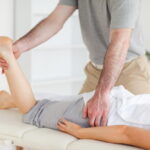
Surgery is more often than not a life-saving necessity, but that doesn’t mean you’re out of the woods once you’re wheeled out of the operating room. You have a long road of recovery ahead. Part of that recovery is simply resting—yes—but to truly recovery from any sort of surgery you also need to invest in physical therapy. The goal is to build your body back up from its weakened state.
If you’re expecting your first surgery soon, then plan ahead. Knowing what you need to do and what you can do to improve your post-recovery period can help you stay focussed, and committed. Done right, you can maximize how much strength, flexibility, and mobility you can recover after your surgery.
Here is a guide to getting back on your feet post-surgery.
Start with HBOT
A great treatment to get after your therapy is HBOT (hyperbaric oxygen therapy). You can get HBOT therapy in NYC, for example, and use it to fuel up your body so it can recover more effectively. With this treatment option you are placed in a pressurized tank. The air pressure is then increased slightly. This increase in air pressure actually makes it easier for your lungs to draw in oxygen, which then fuels the rest of your cells. With that extra oxygen your body can work to recover from wounds (including those from surgery) faster.
As a bonus, this treatment also works to reduce inflammation, and can even help improve your immune system, two factors that can also help you through the post-surgery recovery process.
Improve Your Diet
You are what you eat, so it’s important to improve your diet post-surgery so that your system has all the nutrients and vitamins that it needs to build back your body. This applies in all instances, even amputations. It takes energy to heal over a stump, for example, or to heal internal incisions, or anything else. That’s why you’ll want to choose high-protein foods, dark green leafy vegetables, fish, bone broths, and foods like yoghurt for probiotics.
Keep Your Wounds Clean and Dry
You must invest the time to properly clean your wound, dry it, and redress it in a sterile bandage. Being lax with this can result in an infection, which can very well kill you if it’s not caught in time. Be vigilant about keeping the wound dry, and try to keep pressure off of it at all times.
Follow Your Body’s Signals
Listen to your body. You will be able to feel problems even if you can’t see them. If sitting a certain way makes it feel painful, or like there’s pressure, change positions. You need to avoid inadvertently pulling on your recovering system and causing a tear because you tried to stretch too far, too soon.
Slowly Start Building Back Your Routine
After the first six weeks you can start working on building back your routine. Start with very, very low impact exercises, like a short walk or even yoga (again, listen to your body and don’t try to follow the instructor 100%). So long as there isn’t any pain, pulls, or pressure, you are good to continue. For best results, of course, consider going for professional physical therapy (if it’s not already part of your recovery regimen).
Did you find this helpful? Check out our other helpful articles on our website.
Read Also
- Managing Shock Loss After a Hair Transplant: The Financial and Clinical Imperative of Post-Op Care
 In the rapidly evolving landscape of private healthcare, executive leadership within cosmetic and restorative surgery clinics faces a dual challenge: maintaining strict clinical standards while maximizing patient lifetime value (LTV) and brand advocacy. As the global medical tourism and elective procedure markets expand, clinical outcome quality alone is no longer the sole differentiator for premium… Read more: Managing Shock Loss After a Hair Transplant: The Financial and Clinical Imperative of Post-Op Care
 - Transform Your Skin Health: Premier Gluta IV Therapy in DubaiThis comprehensive guide explores how modern intravenous wellness treatments can help revitalize your complexion, boost immune function, and support overall cellular health. By incorporating modern IV therapy Dubai services into a routine health regimen, individuals can achieve direct nutrient absorption for optimal results. Selecting a customized gluta IV drip Dubai treatment provides targeted antioxidant defense,… Read more: Transform Your Skin Health: Premier Gluta IV Therapy in Dubai
- The Evolution of Dental Prosthetics: Innovation in Oral HealthDental replacements have improved a lot over time. Smiling, chewing, and speaking depend on having healthy teeth. When teeth break or go missing, today’s options can restore both function and confidence. Modern techniques make these replacements feel and look completely natural. Ancient Roots Of Tooth Replacement People have tried to replace lost teeth for thousands… Read more: The Evolution of Dental Prosthetics: Innovation in Oral Health
- How to Support a Loved One with Mental Health IssuesWatching someone you care about struggle with their mental health is difficult: you might feel helpless, confused, or even frustrated. You cannot cure a mental health condition with a simple conversation or a hug, no matter how much you wish you could. Your support can be the difference between them feeling isolated and feeling understood.… Read more: How to Support a Loved One with Mental Health Issues
- Understanding Endometriosis: Causes, Symptoms, and Treatment OptionsMillions of people around the world deal with pelvic health problems. Many spend years looking for answers about ongoing pain or fertility issues. Understanding your health can help you speak up and get better care. Managing pelvic pain starts with knowing the causes and treatment options. Learning about symptoms also helps you decide when to… Read more: Understanding Endometriosis: Causes, Symptoms, and Treatment Options
- Choosing the Right Treadmill for Your Body and Fitness GoalsFinding a quality home treadmill means looking closely at your height, weight, and training routine. Standard gym equipment rarely offers a one-size-fits-all experience for every unique body shape. Shopping with specific physical dimensions in mind helps you pick a machine that supports long-term health. Selecting the right unit requires balancing horsepower, frame dimensions, and deck… Read more: Choosing the Right Treadmill for Your Body and Fitness Goals
- Understanding Spinal Health: The Key to a Pain-Free LifeThe human spine is the main support structure of your body. It keeps you standing tall, protects your delicate spinal cord, and lets you bend, twist, and walk easily every single day. Even though your back performs hard physical work daily, spinal health is often ignored until pain starts. Back stiffness, neck soreness, and sudden… Read more: Understanding Spinal Health: The Key to a Pain-Free Life
- The Rise of Holistic Health: Integrating Mind, Body, and SpiritFinding balance in a fast-paced world often feels like a constant struggle. Many people spend years chasing quick fixes for their energy levels or mood swings, only to end up back at square one. Real wellness happens when every piece of your daily routine aligns. Focusing on the complete picture changes everything. Holistic health centers… Read more: The Rise of Holistic Health: Integrating Mind, Body, and Spirit