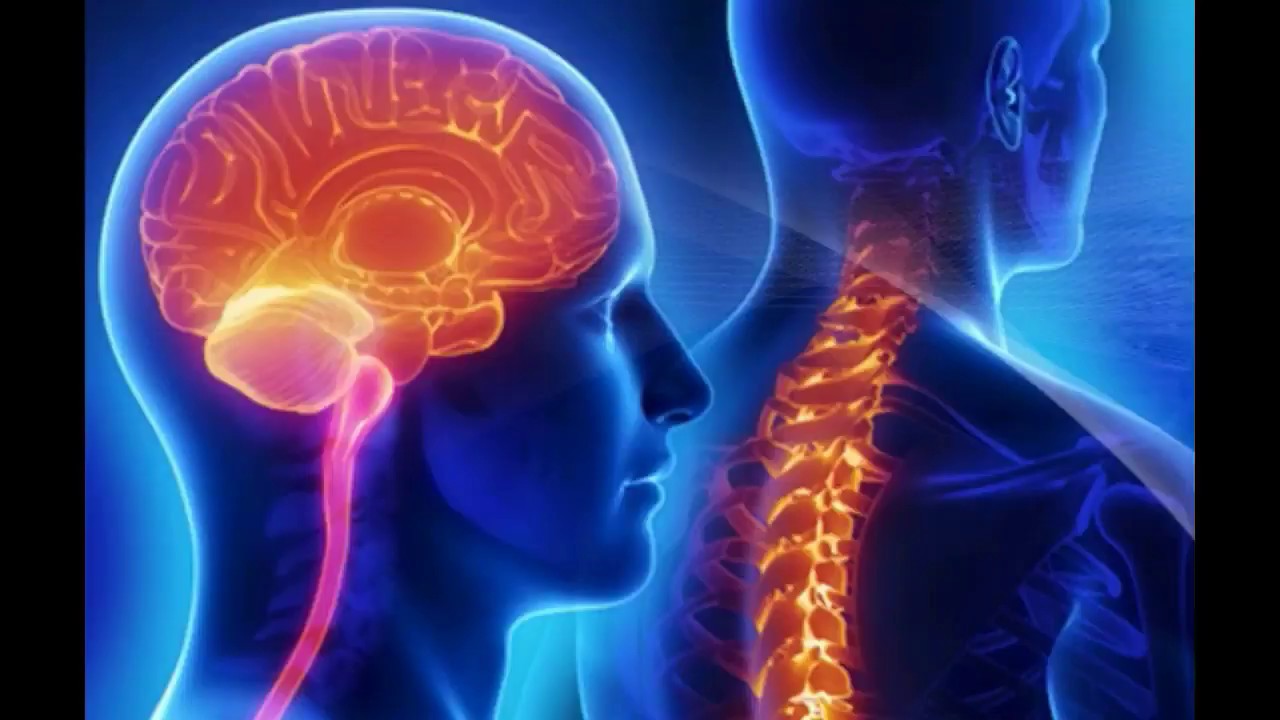
A neurosurgeon specializes in the human nervous system. Typically, they concentrate on the spinal cord and brain within this system. They can expertly manage neurological problems including brain tumors, brain surgery, and bulging discs.
A lot of people are living with chronic pain, but nobody deserves to live with this kind of pain. Often, patients need to see a Boise Neurosurgeon to get specialized care and treatment. The surgeon can also help improve the patient’s quality of life. The following are common conditions that necessitate a visit to a neurosurgeon:
Persistent Headaches or Migraines
Several health problems cause headaches. While some people deal with occasional headaches and minor migraines, others have serious versions of these conditions. But when chronic headaches happen frequently or more intensely, this could mean something is wrong.
Although headaches are painful, most of them are temporary. Usually, over-the-counter pain relievers will offer relief to these headaches. But a visit to a neurosurgeon may be necessary if your headaches become so intense that they impact your everyday life or disable you. Also, a neurosurgical visit may be necessary if you have been taking pain relievers for your headaches every day or if you usually experience persistent headaches when you wake up. If the headaches are accompanied by dizziness, seizures, or nausea, you may also need to get checked by a neurosurgeon.
Memory Loss
Occasionally forgetfulness is normal with age. But if memory problems are disrupting your normal routine, you may need to see a specialist. If your memory loss gets worse or your personality changes, this could indicate Alzheimer’s disease. A neurosurgeon can examine you and give you appropriate treatment both for your symptoms and the underlying issue.
Balance Problems
Lightheadedness and dizziness can occur to anyone from time to time. But if this happens regularly, this could mean something must be checked. If you usually feel dizzy when you walk around or lose your balance, you may need to visit a neurosurgeon. This visit is particularly necessary if one side of your body becomes numb or weak and this last for several weeks or months. Also, you should see a neurosurgeon if you experience prolonged muscle weakness, difficulty lifting your foot’s front part, or a weak hand grip.
Unusual Numbness or Pain
Tingling and numbness in the extremities have different causes such as prolonged sitting or wearing tight clothing. Typically, they are harmless. But if they linger or develop abruptly without an obvious reason, a more serious issue may be causing it. Visit a neurosurgeon if you experience numbness and weakness along with other neurological symptoms like burning sensation and nerve pain.
Blurred Vision
Vision issues might happen due to genetics, accidents, or aging. However, they can also occur because of issues in your nervous system. If you suddenly experience troubling seeing in both eyes, get your vision checked. Your eye doctor or primary care doctor may refer you to a neurosurgeon to help address the underlying issue responsible for your visual problem.
Sleep Disorders
Sleep problems are usually a result of not going to bed on time or having anxiety or apnea, or nightmare. But they can also develop because of neurological disorders such as narcolepsy, which is a hereditary condition that affects the nervous system. In general, a visit to a neurosurgeon may be necessary if you experience extreme fatigue for a long time, have problems staying awake, or have problem sleeping or staying asleep regularly.
Your body’s nervous system is quite sensitive and must be kept in balance. Symptoms such as unusual headaches, sudden numbness, and dizziness warrant a consultation with a neurosurgeon. This medical professional can identify the cause of the underlying problem and develop a suitable treatment plan for your neurological problem.
Did you find this helpful? Check out our other helpful articles on our website.
Read Also
- How to Incorporate Relaxation into Your Busy Schedule
 Finding balance when you have a packed daily agenda often feels out of reach. Between work duties, family obligations, and personal projects, personal rest usually gets pushed to the bottom of the list. Small, intentional shifts in daily habits can help restore calm without requiring hours of extra free time. Continue reading to discover everything… Read more: How to Incorporate Relaxation into Your Busy Schedule
 - Red Light Therapy for Skin and Wellness: Meet Vital Red Light TherapyModern wellness is not always about complicated treatments or long routines. Many people are now looking for simple, convenient ways to support their skin, recovery, and overall wellness at home. One technology getting more attention is red light therapy. Red light therapy uses specific wavelengths of red and near-infrared light to support the body’s natural… Read more: Red Light Therapy for Skin and Wellness: Meet Vital Red Light Therapy
- Managing Shock Loss After a Hair Transplant: The Financial and Clinical Imperative of Post-Op CareIn the rapidly evolving landscape of private healthcare, executive leadership within cosmetic and restorative surgery clinics faces a dual challenge: maintaining strict clinical standards while maximizing patient lifetime value (LTV) and brand advocacy. As the global medical tourism and elective procedure markets expand, clinical outcome quality alone is no longer the sole differentiator for premium… Read more: Managing Shock Loss After a Hair Transplant: The Financial and Clinical Imperative of Post-Op Care
- Transform Your Skin Health: Premier Gluta IV Therapy in DubaiThis comprehensive guide explores how modern intravenous wellness treatments can help revitalize your complexion, boost immune function, and support overall cellular health. By incorporating modern IV therapy Dubai services into a routine health regimen, individuals can achieve direct nutrient absorption for optimal results. Selecting a customized gluta IV drip Dubai treatment provides targeted antioxidant defense,… Read more: Transform Your Skin Health: Premier Gluta IV Therapy in Dubai
- The Evolution of Dental Prosthetics: Innovation in Oral HealthDental replacements have improved a lot over time. Smiling, chewing, and speaking depend on having healthy teeth. When teeth break or go missing, today’s options can restore both function and confidence. Modern techniques make these replacements feel and look completely natural. Ancient Roots Of Tooth Replacement People have tried to replace lost teeth for thousands… Read more: The Evolution of Dental Prosthetics: Innovation in Oral Health
- How to Support a Loved One with Mental Health IssuesWatching someone you care about struggle with their mental health is difficult: you might feel helpless, confused, or even frustrated. You cannot cure a mental health condition with a simple conversation or a hug, no matter how much you wish you could. Your support can be the difference between them feeling isolated and feeling understood.… Read more: How to Support a Loved One with Mental Health Issues
- Understanding Endometriosis: Causes, Symptoms, and Treatment OptionsMillions of people around the world deal with pelvic health problems. Many spend years looking for answers about ongoing pain or fertility issues. Understanding your health can help you speak up and get better care. Managing pelvic pain starts with knowing the causes and treatment options. Learning about symptoms also helps you decide when to… Read more: Understanding Endometriosis: Causes, Symptoms, and Treatment Options
- Choosing the Right Treadmill for Your Body and Fitness GoalsFinding a quality home treadmill means looking closely at your height, weight, and training routine. Standard gym equipment rarely offers a one-size-fits-all experience for every unique body shape. Shopping with specific physical dimensions in mind helps you pick a machine that supports long-term health. Selecting the right unit requires balancing horsepower, frame dimensions, and deck… Read more: Choosing the Right Treadmill for Your Body and Fitness Goals