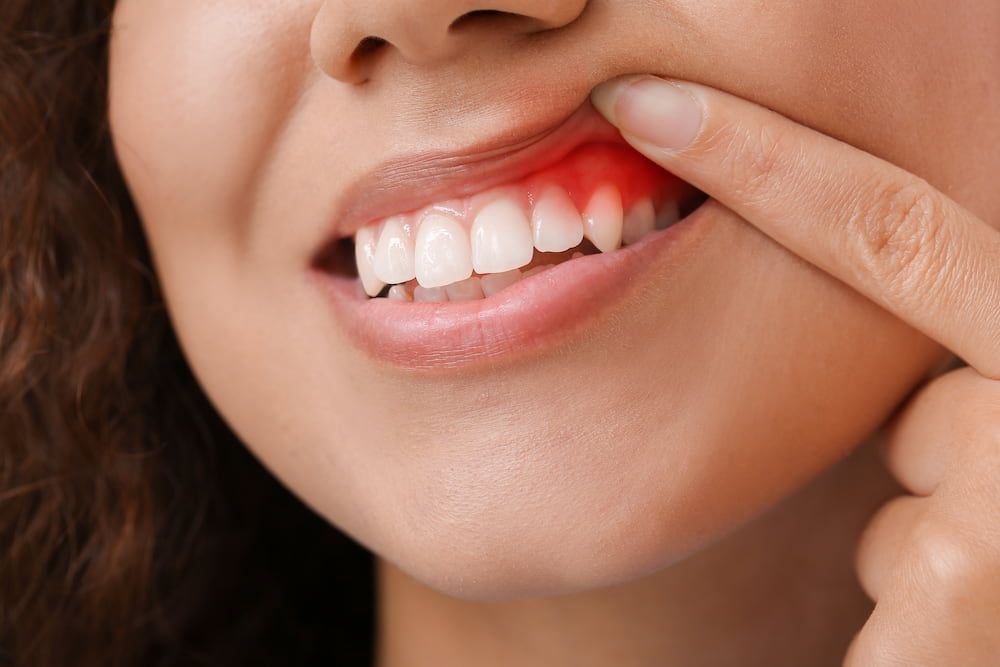
There are many ways to treat periodontal disease. A dentist can use surgical or nonsurgical treatments to improve your gum’s present condition. Other times, the dentist might describe how you can improve your gum health with home remedies, like eating non-sugary foods and maintaining healthy oral habits.
Whether surgical, nonsurgical, or at-home remedies, gum disease treatments aim to improve gum tissues destroyed by periodontal disease. While these procedures are commonly done by gum specialists clinically referred to as a periodontist in the United States, a general dentist can treat mild gum disease.
Professional dentists from Pennsylvania in leading facilities like Dental Care Associates- Hollidaysburg advice seeking treatment for periodontal disease immediately for complete healing. If caught in time, the early stages of periodontal disease are reversible. The longer you wait to treat gingivitis, it progresses to periodontitis that can severely damage your gums and jawbone. Once periodontal disease has reached this stage, it forms pus pockets around the affected area, causing infection or tooth loss.
If you plan to visit a periodontist office to improve gum disease, here’s the list of treatments you might receive:
Scaling And Root Planing
Dental scaling and root planing is the first treatment your dentist might prescribe to treat your periodontal disease. It involves scraping and eliminating the plaque and tartar on your teeth. Your dentist will do the same to the roots using a special tool.
After removing tartar and plaque, the dentist smoothens the roots to prevent bacteria accumulation. This procedure might require more than one appointment due to its complexity.
Your dentist will likely use local anesthesia to reduce discomfort during the procedure. After the treatment, the gums will heal and reattach to the teeth. Your dentist will closely monitor your progress to determine if you require any further treatment.
Dental Prophylaxis
Dental prophylaxis is a type of dental cleaning similar to what people have twice a year. This treatment involves the removal of tartar and plaque from the patient’s teeth surface. People experiencing the first stage of periodontal disease can reverse the condition through this treatment or by maintaining dental health at home.
Based on how severe your condition is, you might need regular professional cleaning to eliminate the bacteria causing the disease.
Laser Periodontal Therapy
If your periodontist prescribes laser periodontal therapy, they’ll use a tiny laser to extract affected tissues while killing the bacteria under the gums. Dentists recommend laser therapy instead of typical gum surgery. Laser therapy is safer than traditional since it doesn’t require incision.
Antibiotic Therapy
Dentists might use antibiotics alone to treat periodontal disease or combine it with other therapies. After determining the best antibiotics for your case, your dentist places them between the gums and teeth. They’ll show you how to insert the medicine if you need to do it at home too.
Gum Grafting
Gum grafting is one of the surgical procedures your dentist may use to treat periodontal disease. The treatment involves harvesting tissue and using it to treat gum recession according to this trustworthy dentist in Decatur. After gathering the tissue, the dentist stitches it in areas where the gums have pulled away from the teeth. Mostly, the tissue is harvested from your mouth’s roof.
Flap Or Pocket Reduction Surgery
During the flap or pocket reduction procedure, the dentist pulls the gum away from your teeth by creating an incision. Removing the gum from the teeth gives the periodontist a clear view of teeth roots. Once the entire tooth is exposed, the dentist cleans it by removing tartar and plaque. Then smoothens it to eliminate the chances of bacteria buildup. After the procedure, the dentist repositions the gums and stitches them in place.
Guided Tissue Regeneration
Severe periodontal disease creates gaps between teeth roots and the bone. At this point, guided tissue regeneration is necessary. The dentist puts a membrane in the affected area to prevent the gums from developing where the bone should be. Guided tissue regeneration allows your body adequate time to regenerate bone around the teeth.
Bone Grafting
Bone grafting treatment is prescribed if periodontal disease has affected the bone around the tooth root. The dentist uses your bone, artificial or donated, to execute the therapy.
Bone grafting holds teeth in place, preventing loss. It also facilitates natural bone regrowth. Suppose your dentist requires harvesting the bone from your body. In that case, they might graft it from your hips, ribs, or legs.
Home Remedies
Home remedies for periodontal disease involve preventing and slowing it down. You can prevent this condition by practicing proper dental hygiene and avoiding bad eating habits like overconsuming sugary foods. Nonetheless, if the condition is already severe, professional treatment is necessary.
Conclusion
While periodontal disease is preventable, many people still suffer from it. If left untreated, this disease can cause serious dental issues, including infection and tooth loss. If you’ve failed to prevent the development of periodontal disease, seeking timely treatment is vital. This way, you get the necessary treatment and stop the disease from progressing. After treatment, stick to healthy eating habits and practice excellent oral hygiene.
Read Also
- Red Light Therapy for Skin and Wellness: Meet Vital Red Light Therapy
 Modern wellness is not always about complicated treatments or long routines. Many people are now looking for simple, convenient ways to support their skin, recovery, and overall wellness at home. One technology getting more attention is red light therapy. Red light therapy uses specific wavelengths of red and near-infrared light to support the body’s natural… Read more: Red Light Therapy for Skin and Wellness: Meet Vital Red Light Therapy
 - Managing Shock Loss After a Hair Transplant: The Financial and Clinical Imperative of Post-Op CareIn the rapidly evolving landscape of private healthcare, executive leadership within cosmetic and restorative surgery clinics faces a dual challenge: maintaining strict clinical standards while maximizing patient lifetime value (LTV) and brand advocacy. As the global medical tourism and elective procedure markets expand, clinical outcome quality alone is no longer the sole differentiator for premium… Read more: Managing Shock Loss After a Hair Transplant: The Financial and Clinical Imperative of Post-Op Care
- Transform Your Skin Health: Premier Gluta IV Therapy in DubaiThis comprehensive guide explores how modern intravenous wellness treatments can help revitalize your complexion, boost immune function, and support overall cellular health. By incorporating modern IV therapy Dubai services into a routine health regimen, individuals can achieve direct nutrient absorption for optimal results. Selecting a customized gluta IV drip Dubai treatment provides targeted antioxidant defense,… Read more: Transform Your Skin Health: Premier Gluta IV Therapy in Dubai
- The Evolution of Dental Prosthetics: Innovation in Oral HealthDental replacements have improved a lot over time. Smiling, chewing, and speaking depend on having healthy teeth. When teeth break or go missing, today’s options can restore both function and confidence. Modern techniques make these replacements feel and look completely natural. Ancient Roots Of Tooth Replacement People have tried to replace lost teeth for thousands… Read more: The Evolution of Dental Prosthetics: Innovation in Oral Health
- How to Support a Loved One with Mental Health IssuesWatching someone you care about struggle with their mental health is difficult: you might feel helpless, confused, or even frustrated. You cannot cure a mental health condition with a simple conversation or a hug, no matter how much you wish you could. Your support can be the difference between them feeling isolated and feeling understood.… Read more: How to Support a Loved One with Mental Health Issues