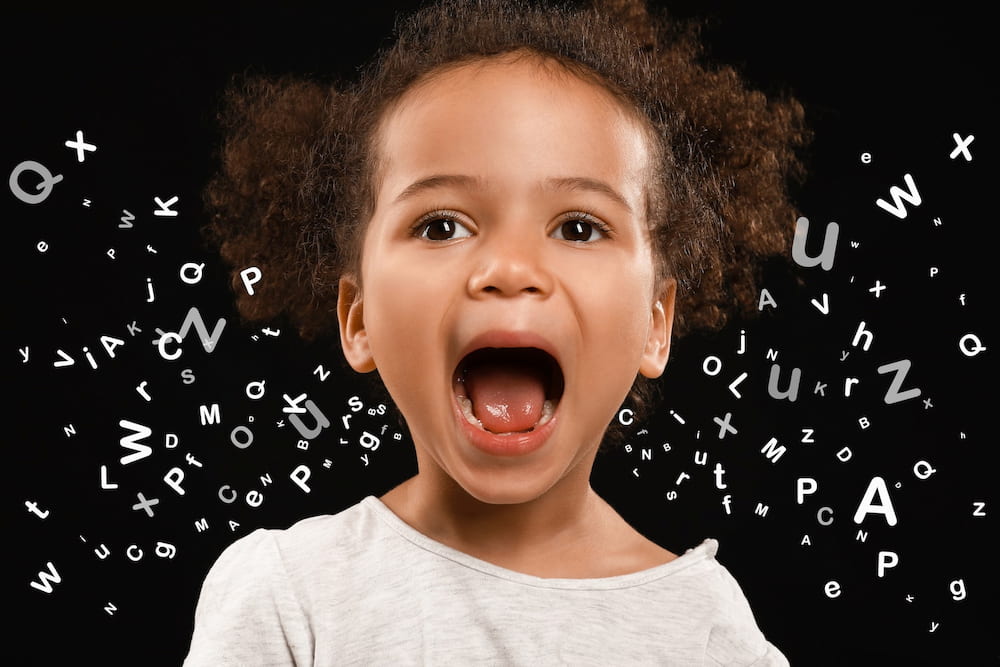
There are several hurdles that children need to overcome as they grow up and these hurdles are going to vary from child to child. One thing that a lot of toddlers struggle with is learning to speak – not only learning words and their meaning but also being able to sound out the words that they know as well. This is referred to as having a speech sound disorder.
What Is a Speech Sound Disorder?
Simply put, a speech sound disorder is a blanket description which gets used to refer to a child’s difficulty with forming, learning, and using the sounds and sound patterns within their language. These become clear as a child reaches toddler age and if your child is showing signs of a speech sound disorder, then it may be worth seeking the assistance of a speech pathologist ndis.
A speech development disorder can indicate several challenges with motor speech. This is where a child has trouble with moving the muscles in their face which need to be moved to produce speech. They might also have reduced coordination when they are attempting to speak as well.
What Are the Symptoms of a Speech Sound Disorder?
Having a speech and sound disorder can manifest in several different ways. It usually depends on what factors are leading to the challenge, or how extreme the disorder is. Some of the most common symptoms that indicate your child might have a sound speech disorder include the likes of:
– Stuttering.
– Your child removing a sound from a word.
– Including an unnecessary sound in a word.
– Replacing sounds which are hard to pronounce with an easier alternative.
– Have trouble pronouncing the same sound in different words.
– Repeating certain words and sounds.
– Unnecessary lengthening of words.
– Pausing whilst speaking.
– Tension when sounds are being produced.
– Head jerks when speaking.
– Blinking when speaking.
– A sense of shame when speaking.
– Noticeable differences in voice pitch.
– A raspy voice.
– Running out of breath when speaking.
How Are Speech Sound Disorders Diagnosed?
To diagnose a speech sound disorder, a speech-language pathologist can determine whether a child has some kind of speech-sound disorder. The guidelines surrounding a diagnosis require that:
– The child experiences persistent difficulty with producing certain sounds.
– The symptoms outlined above appear earlier on in the child’s development stages
– The disorder limits communication and, as such, the child struggles with the likes of social interaction, and achieving academically, and it could limit their job roles in later life.
– The disorder in question is not being caused by any other conditions that the child may have, for instance, a congenital disorder or an acquired condition, such as hearing loss, can lead to further issues with speech. Any hereditary issues, it should be noted, are not included in this guideline.
If you’re worried that your child may have a speech sound disorder, then the best course of action is to contact a professional.
Read Also
- Full-Arch Dental Tourism: Why UK Patients With Severe Bone Loss Are Looking Abroad
 Dental implants have become one of the fastest-growing segments of private dentistry. Within that market, one patient group behaves very differently from the rest: people who have been told they do not have enough upper jawbone for conventional implants. For these patients, the choice is rarely between one clinic and another. It is between a… Read more: Full-Arch Dental Tourism: Why UK Patients With Severe Bone Loss Are Looking Abroad
 - Levels of Mental Health Care and When to Seek SupportMental health care can range from occasional outpatient appointments to 24-hour hospital treatment. The appropriate level depends on safety, symptom severity, daily functioning, medical needs, available support, treatment history and personal preferences. A licensed clinician should assess these factors rather than relying on a symptom list alone. Need help now? In the United States, call… Read more: Levels of Mental Health Care and When to Seek Support
- How to Choose a Shilajit Brand Based on the ResearchIn a randomized trial published in the Journal of the International Society of Sports Nutrition in 2019, 63 active men took 250 mg of standardized shilajit, 500 mg, or a placebo every day for eight weeks, and the benefit for strength retention after a fatiguing workout appeared only at 500 mg. For anyone choosing a… Read more: How to Choose a Shilajit Brand Based on the Research
- How to Incorporate Relaxation into Your Busy ScheduleFinding balance when you have a packed daily agenda often feels out of reach. Between work duties, family obligations, and personal projects, personal rest usually gets pushed to the bottom of the list. Small, intentional shifts in daily habits can help restore calm without requiring hours of extra free time. Continue reading to discover everything… Read more: How to Incorporate Relaxation into Your Busy Schedule
- Red Light Therapy for Skin and Wellness: Meet Vital Red Light TherapyModern wellness is not always about complicated treatments or long routines. Many people are now looking for simple, convenient ways to support their skin, recovery, and overall wellness at home. One technology getting more attention is red light therapy. Red light therapy uses specific wavelengths of red and near-infrared light to support the body’s natural… Read more: Red Light Therapy for Skin and Wellness: Meet Vital Red Light Therapy
- Managing Shock Loss After a Hair Transplant: The Financial and Clinical Imperative of Post-Op CareIn the rapidly evolving landscape of private healthcare, executive leadership within cosmetic and restorative surgery clinics faces a dual challenge: maintaining strict clinical standards while maximizing patient lifetime value (LTV) and brand advocacy. As the global medical tourism and elective procedure markets expand, clinical outcome quality alone is no longer the sole differentiator for premium… Read more: Managing Shock Loss After a Hair Transplant: The Financial and Clinical Imperative of Post-Op Care