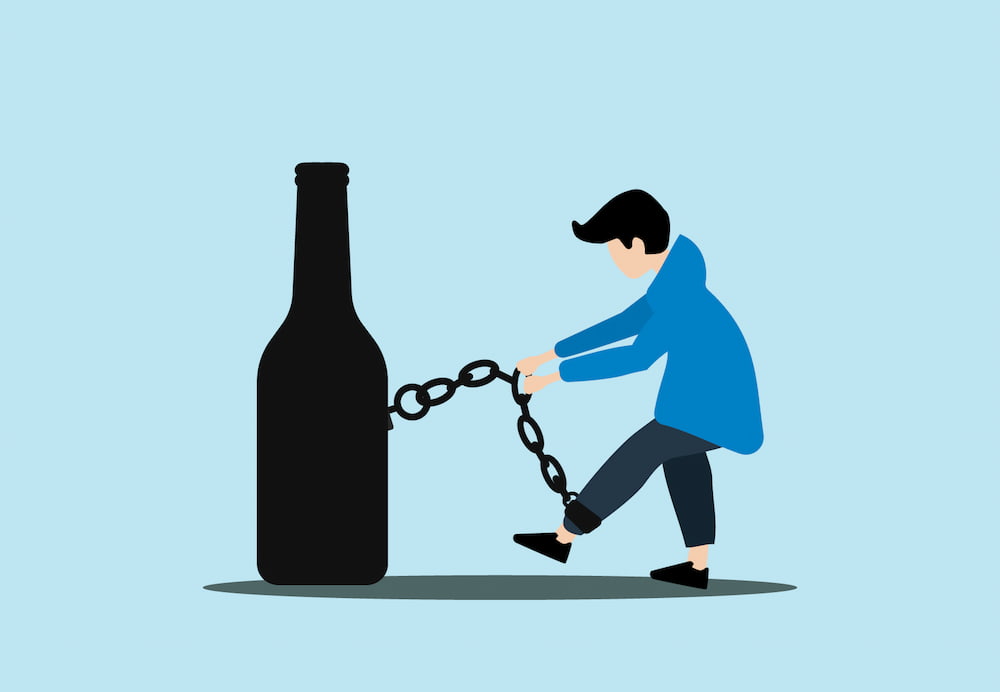
The U.S. Food and Drug Administration has approved four medications to help treat alcoholism: acamprosate, disulfiram, naltrexone, and topiramate. However, these medications may not work for every client. That’s why talking to your healthcare professional before taking them is essential.
Acamprosate
Acamprosate increases abstinence rates among clients with alcohol use disorder. It is one of the recently approved treatments for alcohol dependence in the U.S. If you know of someone who might benefit from rehabilitation from alcohol abuse disorder, please visit website for more detailed information and resources.
Here is how it works:
- Acamprosate reduces the adverse effects people are likely to experience when they decide to reduce alcohol use, which can lead to relapse.
- It corrects the underlying neurochemical changes caused by chronic drinking, helping the brain to restore its normal function.
Inform your doctor if you are allergic to sulfites or any of the tablets’ ingredients before taking it. People with the following conditions should avoid the medicine:
- People who are breastfeeding
- People with allergic reactions to Campral or sulfites
- Clients who suffer from depression
- People with kidney disease
- Someone who is pregnant or trying to get pregnant.
Disulfiram
The first medicine to be approved by the U.S. to treat alcohol dependence was disulfiram. It causes severe adverse reactions when someone taking the medication consumes alcohol. Some of the unpleasant effects include:
- Headache
- Vomiting
- Nausea
- Sweating
- Chest pain
- Flushing
- Sweating.
Many of the effects mentioned above can last an hour or longer. Here are a few things you should take into consideration before you begin taking the medication:
- People who are on the verge of quitting alcoholism but cannot use acamprosate and naltrexone due to complications or other medical conditions are encouraged to use this medicine.
- The treatment is not recommended for people with coronary heart disease or psychosis.
- After one stops drinking, they should wait at least 12 hours before taking the medicine.
Naltrexone
Naltrexone works by decreasing the craving for alcohol. It works in the brain by dismissing the pleasurable feeling that comes with getting high. It can be injected or taken orally.
Some of the primary adverse effects of the injectable and the oral version of naltrexone include:
- Nausea
- Diarrhea
- Dizziness.
Clients with significant liver disease and those who require opiate medications to manage pain cannot take the medicine. Clients should be free of opioids for between seven to ten days before taking naltrexone. Observing this rule will help them avoid precipitating an opioid-withdrawal syndrome.
Topiramate
Topiramate was used in the recent past to treat seizures and headaches. However, doctors now use it to treat alcohol use disorder. Topiramate reduces alcohol cravings as well as anxiety and depression present during the initial stage of alcohol withdrawal.
Medication is one of the approaches medical professionals use to help clients with unhealthy alcohol use decrease their alcohol intake. It plays a vital role in managing alcohol withdrawal symptoms by changing how the body and brain react and managing the long-term effects.
However, the effectiveness of the medications varies from one person to another. That’s why it’s essential to visit an alcohol treatment facility for professional help.
Read Also
- How to Incorporate Relaxation into Your Busy Schedule
 Finding balance when you have a packed daily agenda often feels out of reach. Between work duties, family obligations, and personal projects, personal rest usually gets pushed to the bottom of the list. Small, intentional shifts in daily habits can help restore calm without requiring hours of extra free time. Continue reading to discover everything… Read more: How to Incorporate Relaxation into Your Busy Schedule
 - Red Light Therapy for Skin and Wellness: Meet Vital Red Light TherapyModern wellness is not always about complicated treatments or long routines. Many people are now looking for simple, convenient ways to support their skin, recovery, and overall wellness at home. One technology getting more attention is red light therapy. Red light therapy uses specific wavelengths of red and near-infrared light to support the body’s natural… Read more: Red Light Therapy for Skin and Wellness: Meet Vital Red Light Therapy
- Managing Shock Loss After a Hair Transplant: The Financial and Clinical Imperative of Post-Op CareIn the rapidly evolving landscape of private healthcare, executive leadership within cosmetic and restorative surgery clinics faces a dual challenge: maintaining strict clinical standards while maximizing patient lifetime value (LTV) and brand advocacy. As the global medical tourism and elective procedure markets expand, clinical outcome quality alone is no longer the sole differentiator for premium… Read more: Managing Shock Loss After a Hair Transplant: The Financial and Clinical Imperative of Post-Op Care
- Transform Your Skin Health: Premier Gluta IV Therapy in DubaiThis comprehensive guide explores how modern intravenous wellness treatments can help revitalize your complexion, boost immune function, and support overall cellular health. By incorporating modern IV therapy Dubai services into a routine health regimen, individuals can achieve direct nutrient absorption for optimal results. Selecting a customized gluta IV drip Dubai treatment provides targeted antioxidant defense,… Read more: Transform Your Skin Health: Premier Gluta IV Therapy in Dubai
- The Evolution of Dental Prosthetics: Innovation in Oral HealthDental replacements have improved a lot over time. Smiling, chewing, and speaking depend on having healthy teeth. When teeth break or go missing, today’s options can restore both function and confidence. Modern techniques make these replacements feel and look completely natural. Ancient Roots Of Tooth Replacement People have tried to replace lost teeth for thousands… Read more: The Evolution of Dental Prosthetics: Innovation in Oral Health
- How to Support a Loved One with Mental Health IssuesWatching someone you care about struggle with their mental health is difficult: you might feel helpless, confused, or even frustrated. You cannot cure a mental health condition with a simple conversation or a hug, no matter how much you wish you could. Your support can be the difference between them feeling isolated and feeling understood.… Read more: How to Support a Loved One with Mental Health Issues