In emergencies, every second counts. Whether it’s a car accident, a heart attack, or a severe injury, prompt medical action can mean the difference between life and death.
Patients who receive immediate medical care are far more likely to survive. This article dives into how rapid interventions and the right training can significantly improve survival outcomes for patients.
Why Prompt Medical Action Matters
When someone is facing a medical emergency, the body can quickly go into shock. If medical help isn’t provided quickly, the victim’s condition can worsen rapidly. This highlights the importance of acting fast in dangerous situations.
Essential Skills for Emergencies
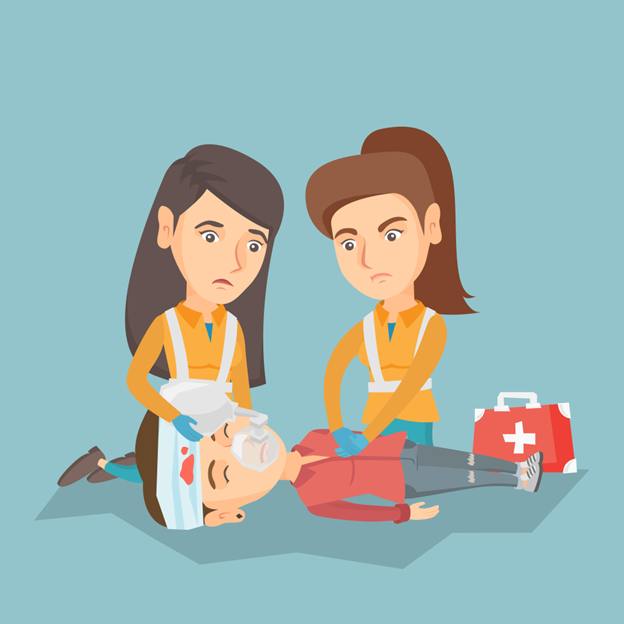
In order to provide effective medical action during emergencies, certain skills are crucial. Knowing how to perform CPR can save lives. CPR keeps blood flowing to the heart and brain when someone stops breathing.
Basic first aid skills allow individuals to treat minor injuries and prevent conditions from worsening until professional help arrives. AEDs are easy to use and can restore a normal heart rhythm during sudden cardiac arrest. Knowing how and when to use one is vital.
Understanding when to act can also save lives. Delay can be dangerous, so recognizing emergency signs is essential.
The Role of Training in Medical Action
Training is key to making sure people know how to take immediate medical action. Organizations like the Red Cross and CPR Certification Now offer courses designed to teach life-saving skills. These training programs often include hands-on experience, letting trainees practice the techniques until they feel confident.
Furthermore, regular refreshers can help to keep these skills sharp. It’s important to remember that medical procedures and guidelines can change over time, so staying informed ensures that you’re prepared.
How Training Improves Patient Safety
Having well-trained individuals available can significantly improve patient safety in emergencies. For example, if a bystander can quickly perform CPR and use an AED while waiting for professional help, the chances of survival skyrocket. Each person trained in these vital skills contributes to creating a safer community.
Real Life Impact of Prompt Medical Action
Case studies have shown that in scenarios where immediate medical action was taken, survival rates increased dramatically. For instance, during a sports event, a player suffered a cardiac arrest. Thanks to a teammate trained in CPR, the player received immediate assistance. The quick actions led to a successful recovery, proving the effectiveness of rapid intervention.
Moreover, many communities are starting to train their citizens in basic life support to ensure that more people are prepared for emergencies. This initiative not only raises awareness but also helps save lives.
Be Prepared: Getting Trained Today
If you want to be part of the solution, consider getting trained in vital medical action skills today. Many local organizations and online platforms offer courses that fit your schedule. Websites like https://cprcertificationnow.com provide comprehensive training options that can empower you to act confidently in emergencies.
By equipping yourself with these essential skills, you’ll be ready to respond when it matters most. Remember, it’s not just about knowing what to do; it’s about being prepared to act.
Empower Yourself with Training
Prompt medical action can save lives during emergencies. By learning essential skills such as CPR, first aid, and AED usage, individuals can make a tremendous difference.
Training plays a vital role in ensuring that these skills are effectively communicated and practiced. In a world where every second counts, being prepared to act can improve survival outcomes significantly. Don’t wait for an emergency to act; start your training today!
For more helpful tips, check out the rest of our site today.
Read Also
- What Today’s Patients Expect From Healthcare Brands
 Healthcare is no longer experienced only through appointments, prescriptions, or hospital visits. Patients now interact with healthcare brands through websites, mobile applications, educational articles, product instructions, customer support teams, social media, and online reviews. Every one of these interactions influences how people judge a company. This shift has raised expectations. Patients want accurate information, convenient… Read more: What Today’s Patients Expect From Healthcare Brands
 - Top Trends Shaping the Future of Mental Health CareMental health care is moving fast to meet daily human needs. People want direct care that fits modern life. Clinics respond by creating flexible options that make healing easier to reach. Providers look past rigid habits to give people solid care. From smart tools to body wellness, these changes help people find relief when life… Read more: Top Trends Shaping the Future of Mental Health Care
- Can Outsourced Telepsychiatry Help Healthcare Organizations Keep Pace With Modern Mental Health Screening?Mental healthcare is changing quickly, but many hospitals, clinics, schools, correctional facilities, and community health organizations do not have enough psychiatric professionals available to turn new screening approaches into timely clinical care. Outsourced telepsychiatry offers one way to close that gap. FasPsych, for example, connects healthcare organizations with psychiatrists, psychiatric nurse practitioners, and other behavioral… Read more: Can Outsourced Telepsychiatry Help Healthcare Organizations Keep Pace With Modern Mental Health Screening?
- Five operational checks for choking readiness in healthcare facilitiesA facility can have a choking poster on every wall and still be unprepared. Preparedness shows up when someone can recognize the emergency, call the right response, bring the right people and supplies to the room, and hand over clear information without losing time. That test belongs in operations as well as clinical education. The… Read more: Five operational checks for choking readiness in healthcare facilities
- Understanding the Demand for Correctional Healthcare ProfessionalsHave you ever wondered who cares for people when they get sick inside a prison? Many people do not realize that jails and prisons need skilled medical teams every single day. By reading this guide, you will learn why these important jobs are growing fast and how you can join this rewarding career field. Caring… Read more: Understanding the Demand for Correctional Healthcare Professionals
- Innovative Technologies in Oncology: The Future of Cancer TreatmentHave you ever wondered how far cancer treatment has come in recent years? Advances in technology are making a real difference in the fight against cancer. Today, more people are living longer and healthier lives after a cancer diagnosis. This is all thanks to new and groundbreaking medical advancements. The future of cancer care looks… Read more: Innovative Technologies in Oncology: The Future of Cancer Treatment
- Patient Engagement and Pharmaceutical Support Services: Building a Better Patient JourneyPatients rarely experience healthcare as a simple, linear process. They may need to understand a diagnosis, determine whether they qualify for a clinical trial, gather medical records, navigate insurance requirements, arrange transportation, learn how to use a medication, and stay engaged with treatment for months or years. Serva Health is one example of a specialist… Read more: Patient Engagement and Pharmaceutical Support Services: Building a Better Patient Journey
- Cloud-Based Healthcare Administration Solutions: A Guide for Payers, TPAs, and Provider NetworksHealthcare administration has become too complex for disconnected spreadsheets, aging on-premise applications, and manual handoffs between departments. Organizations need technology that can manage claims, enrollment, billing, provider relationships, and member data as connected parts of the same operation. MCSI – Visova is one example, offering a cloud-native vpaas designed to support HIPAA-compliant healthcare administration. Its… Read more: Cloud-Based Healthcare Administration Solutions: A Guide for Payers, TPAs, and Provider Networks